
People


A constellation of lives, struggles and ideas
Across six films, India Bhimraya brings together people who would rarely inhabit the same frame: anti-caste thinkers and displaced farmers, singers and organisers, engineers and ecologists, domestic workers and movement leaders, families followed across generations. Some shaped modern India. Others have fought over a field, a forest, a wage, a home or the right to remain. Together, they form the human history through which the series moves.
Historical and political figures
Across the series, historical figures and contemporary activists provide essential points of reference. Their ideas, movements and political inheritances connect the lives followed in the films to longer struggles over caste, labour, land, equality and democracy in India.
-
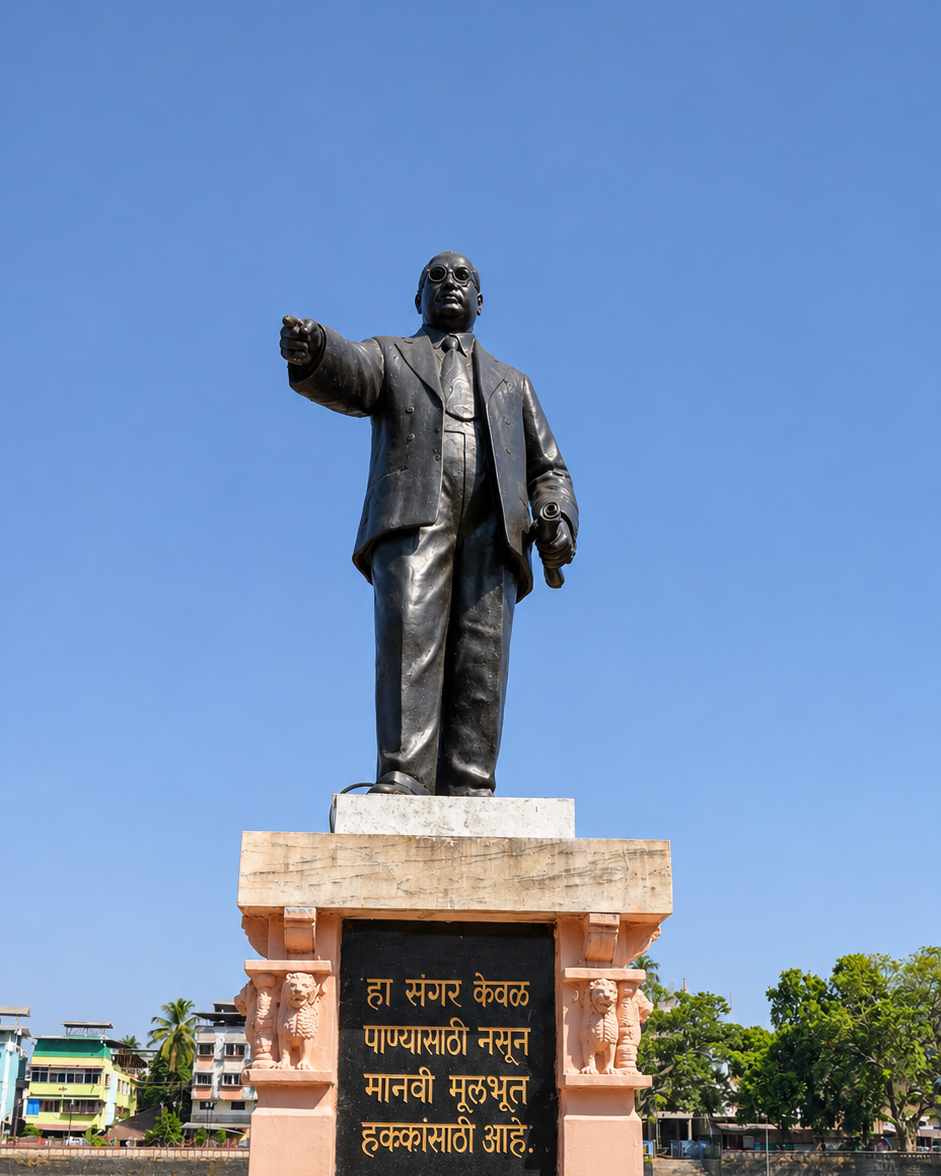

Jurist · Economist · Anti caste thinker · Political leader
His archival voice opens the series with a warning that hangs over the six films: political democracy cannot endure without social equality. He is not invoked as a monument, but as an unfinished political challenge.
-
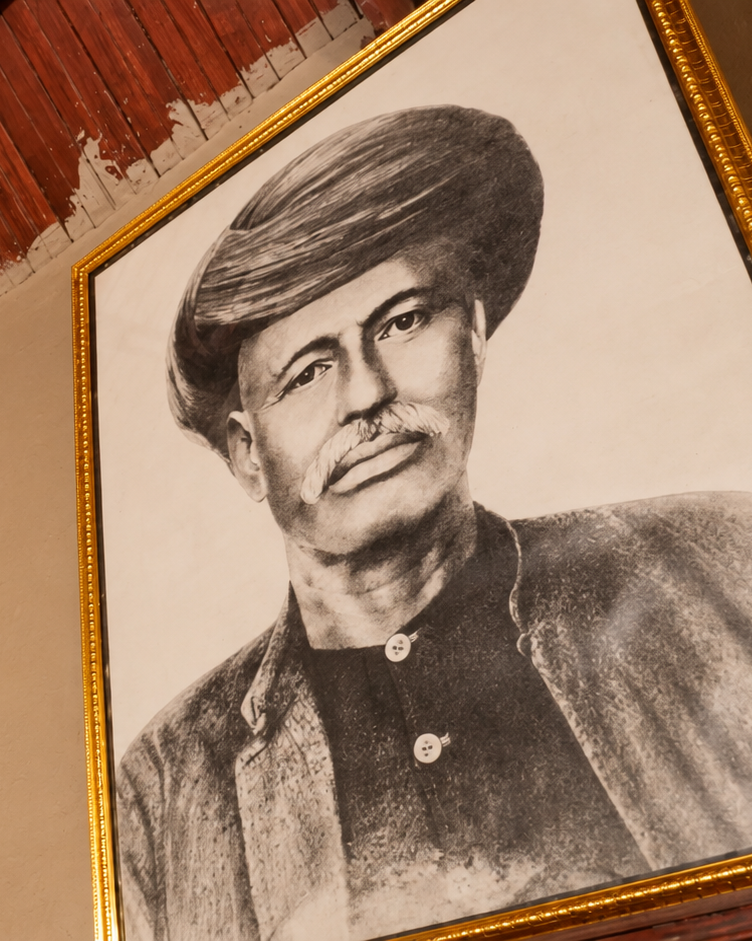

Anti-caste thinker · Social reformer · Founder of the Satyashodhak tradition
Phule exposed caste hierarchy as a structure of domination and made education, agrarian justice and the emancipation of the oppressed central to a new politics of equality. His intellectual and political lineage runs through many of the movements encountered in the series.
-
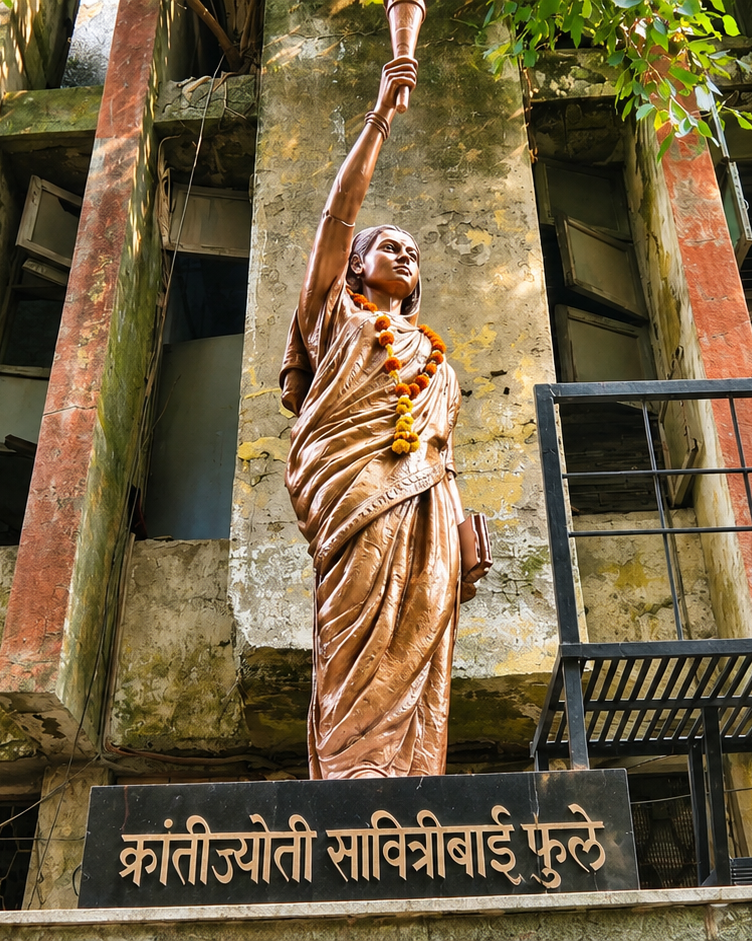
Educator · Anti-caste reformer · Pioneer of women’s education
One of nineteenth-century India’s foundational figures of social emancipation. With Jyotirao Phule, she challenged caste domination, patriarchal exclusion and the denial of education, leaving a political inheritance that runs directly into later anti-caste and labour struggles.
-
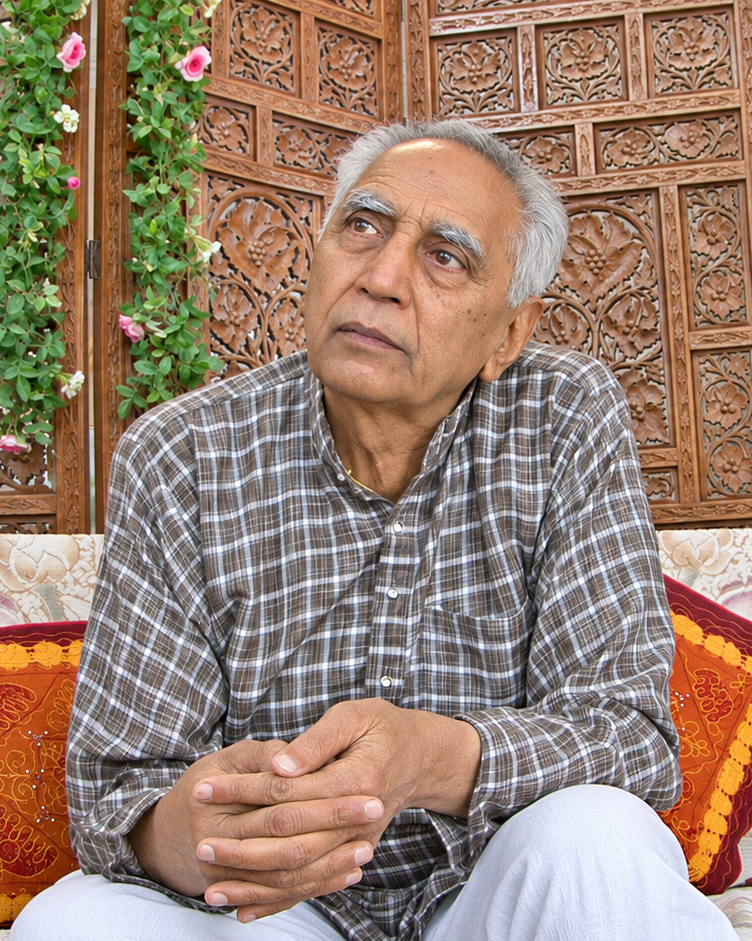
Socialist organiser · Labour leader · Founder of the Hamal Panchayat
One of Maharashtra’s major organisers of unprotected labour and a long-standing interlocutor of India Bhimraya, Baba Adhav was first filmed for the project in 2008 and returned to in 2011 and 2024. His trajectory links the Rashtriya Seva Dal and Maharashtra’s socialist traditions to the organisation of hamals, informal workers, farmers and project-affected communities. In Śetkarī–Kaṣṭakarī and Dharan, he connects labour dignity to a much longer politics of land, irrigation and rehabilitation, including the demand “First rehabilitation, then the dam.” His account also returns insistently to caste: from Ek Gaon, Ek Panvatha to Phule–Ambedkarite critiques of socialism’s blind spots, he argues that neither labour nor democracy can be understood apart from the social hierarchy in which they are embedded.
Lives at the heart of the series
These are the people through whom India Bhimraya acquires duration. We meet them not only in interviews, but at work and at home, through songs, ceremonies, marriages, births, displacement and rebuilding. Across the years, the films follow how history enters ordinary life—and how one generation carries it into the next.
-
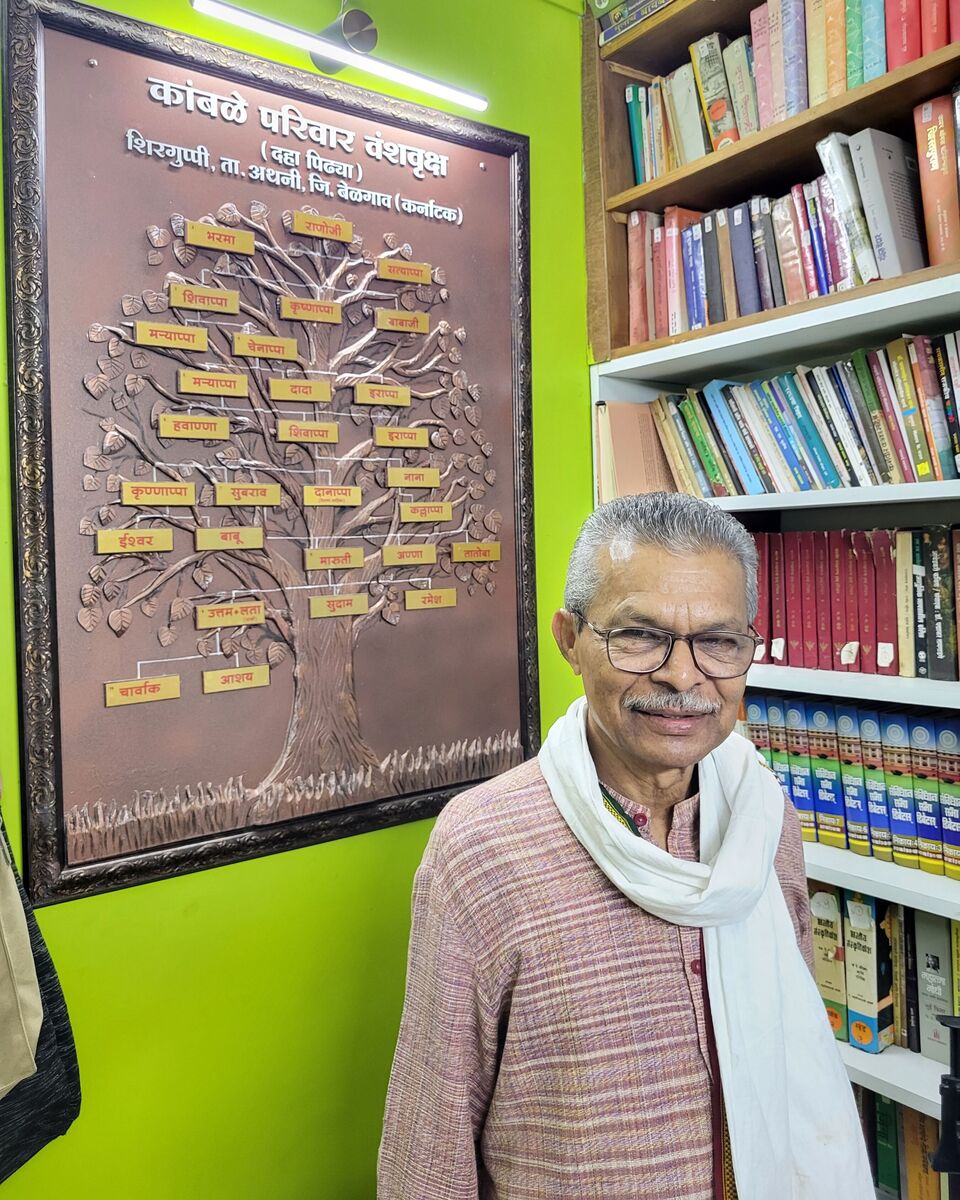

Writer · Editor journalist · Narrator · Public intellectual
One of the defining presences of India Bhimraya, Uttam Kamble became far more than an interviewee: a narrator, travelling companion and intellectual thread running through the series. In Jāt, his life carries the film from a caste-segregated childhood on the Maharashtra–Karnataka border through hunger, school violence, ritual coercion, education, journalism and political awakening. His memories turn caste from an abstraction into an embodied social world, while his journeys through Nashik, Kalaram, Ambedkarite sites and everyday Maharashtra give that history a geography. But his contribution reaches well beyond caste alone: from early work with dam-displaced communities and anti-superstition struggles to reflections on labour, development, Marx, Ambedkar and political movements, Kamble repeatedly connects intimate experience to the larger structures of Indian society. His voice became one of the series’ principal ways of thinking, remembering and moving through that world.
-
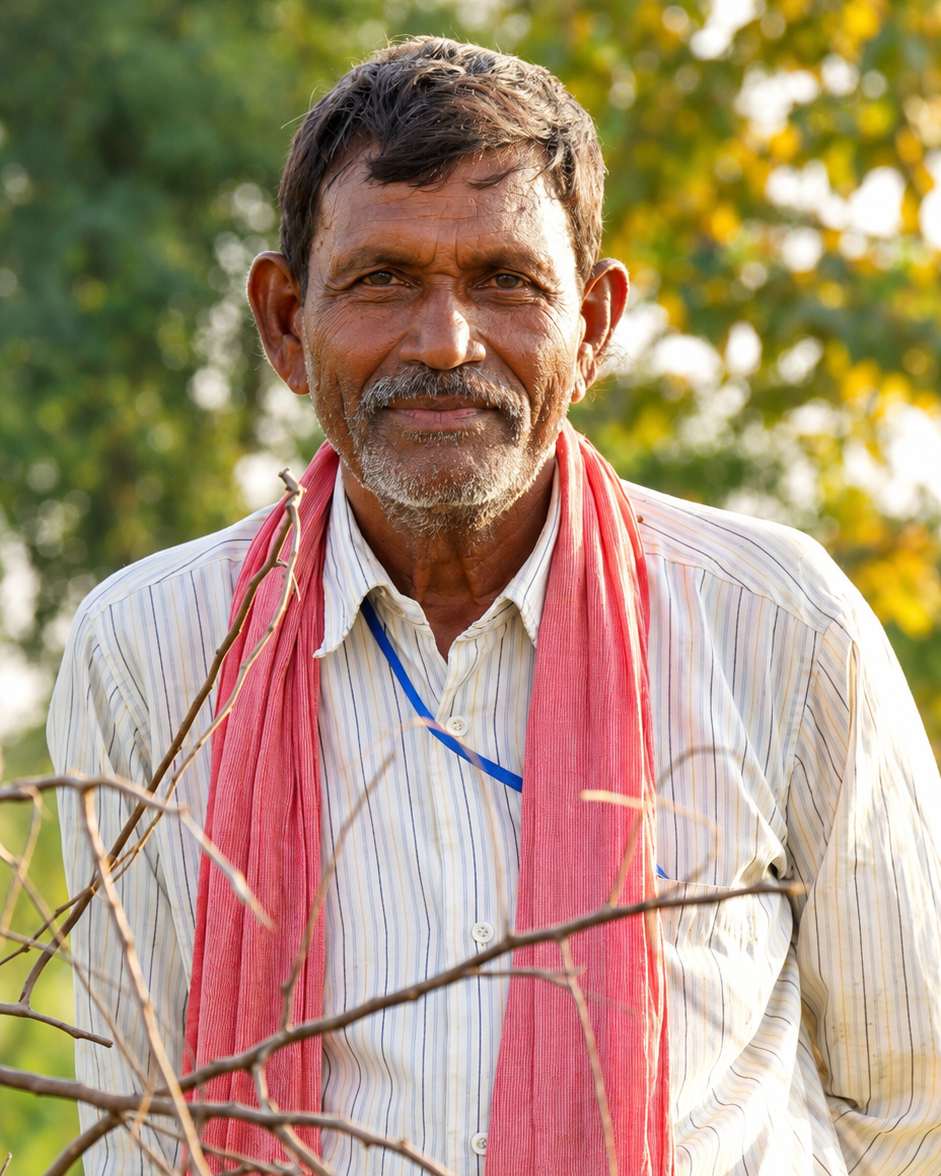
Farmer · Displaced resident of Ambhora · Bhim Geet singer
One of the human anchors of India Bhimraya, Parmeshwar has been filmed across the years not as a “character” encountered once, but as someone whose life has grown with the project. The camera finds him in the field, at home, in moments of work, fatigue, rebuilding, conversation and song. Through him, caste, land and displacement become inseparable from family history and the stubborn work of carrying on. His Bhim Geet are among the series’ deepest threads: songs through which Ambedkarite memory, dignity and political inheritance pass from one generation to another. Parmeshwar’s presence gives the films something they could not have without him—a lived continuity between the old village, the resettled world and the future his family is still making.
-
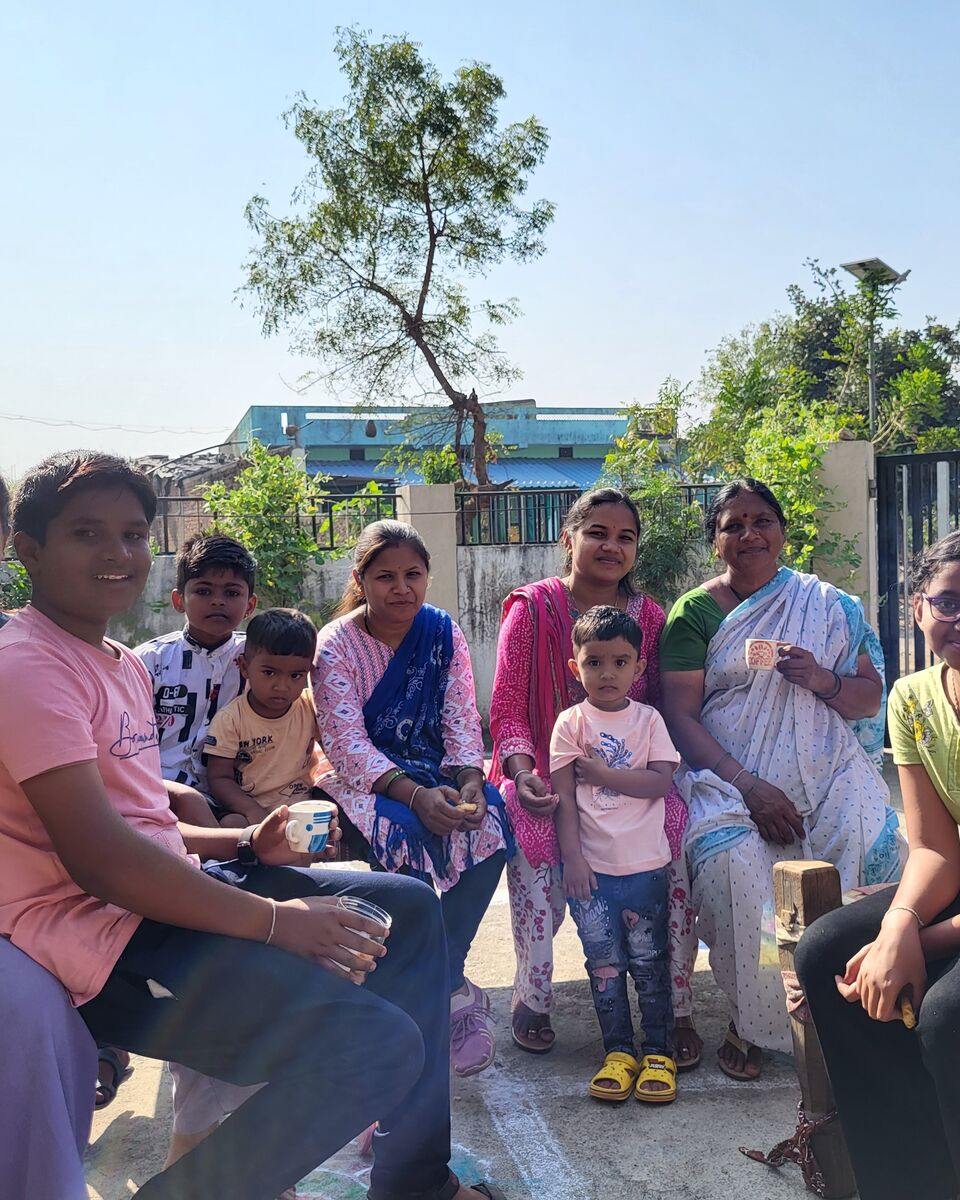
Three generations · Ambhora
Across more than twenty years, the family provides one of the series’ longest continuous human threads. We encounter its members through household work, farming, naming ceremonies, marriages, births, meals, journeys, ageing and resettlement. These seemingly ordinary moments form an archive of their own: a way of seeing how caste, memory, aspiration and belonging are reproduced and transformed over time.
Among those appearing across the archive are Veena, Sayatra, Manoj, Megha, Manisha, Jayesh, Mansi, Pranali, Prachi, Prachik, Rashmi, Sharvil, Navinya, Anu, Savi, Nityaansh, Kanchan, Meenal, Ashish and Manda. The youngest generation enters a story that began before many of them were born, extending the films from memory into inheritance.
-
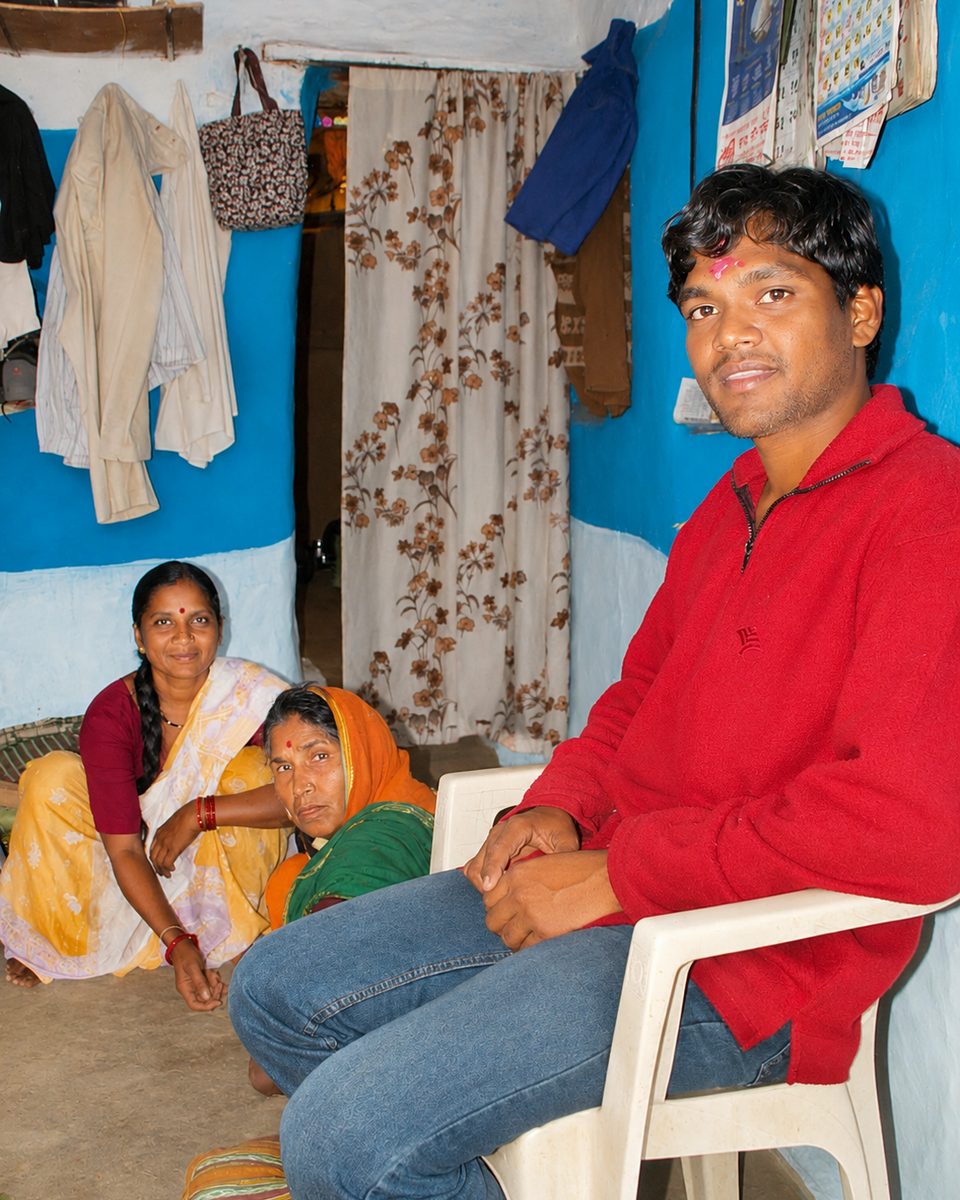
Voice-over · Field collaborator · Second-generation witness
The youngest son of the family, Vinod speaks from the generation that inherited both Ambhora’s memories and the transformations brought by displacement. His voice-over links family history to social change, carrying the series between what his parents lived and what their children continue to reinterpret and rebuild.
-
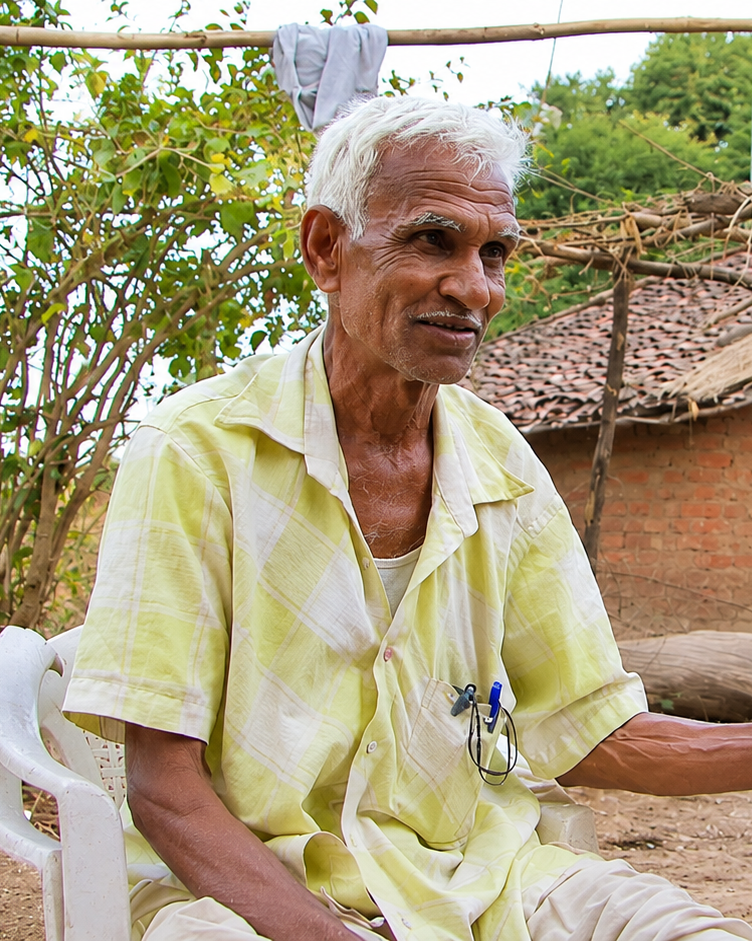
Farmer · Gosikhurd-displaced resident · Hindu religion witness
One of the most grounded and enduring voices of India Bhimraya, Maniram appears in both Jāt and Visthāpan, carrying the series from the social world of caste into the lived aftermath of displacement. A farmer first, he measures change through what can still be cultivated, inherited, shared, offered in marriage, or passed on to children. His testimony moves between caste relations, religious change, land loss, compensation, failed irrigation works, election promises and the everyday arithmetic of survival. Often with dry humour, he exposes the distance between rehabilitation on paper and a viable life. Through Maniram, land appears not simply as property, but as livelihood, status, memory and dignity—and displacement as a condition that continues long after acquisition itself is over.
-
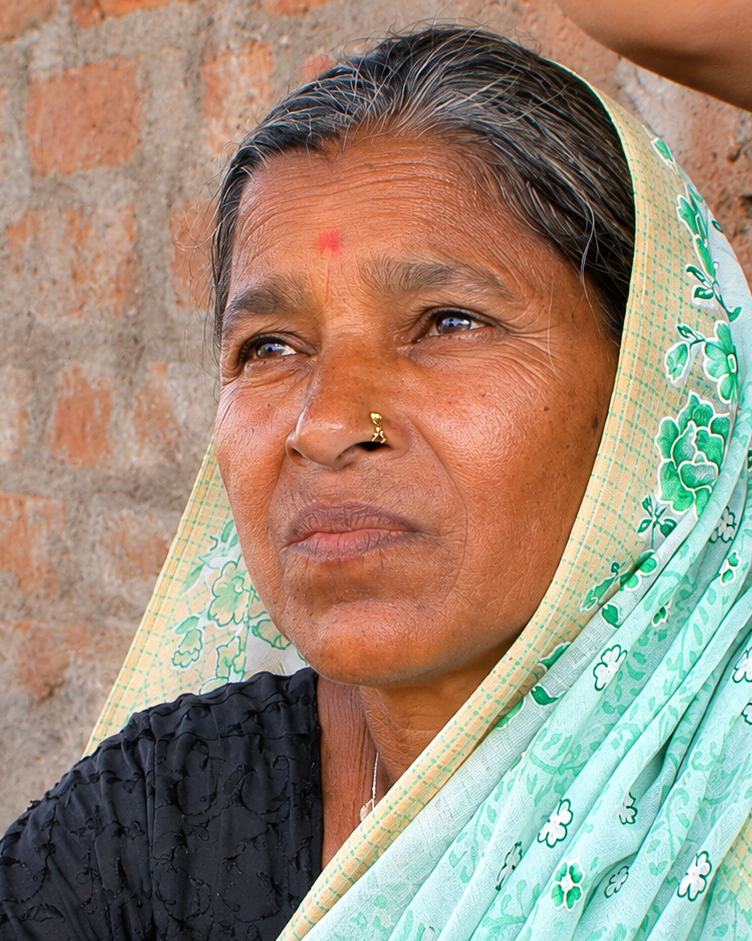
Displaced farmer · Daily-wage worker
In Visthāpan, Muktabai gives displacement its most intimate scale: the household. She speaks of land lost, compensation spent, wages earned, pensions stretched, houses rebuilt and promises that never restored what acquisition had taken away. Her testimony follows the transition from cultivation to precarious wage labour, while showing how much of resettlement’s hidden cost is carried by women—through paid work, care, food, illness and the daily effort of holding a family together. Between attachment to the old village and resignation to the new settlement, Muktabai turns the language of rehabilitation into a concrete reckoning with what can be counted, what cannot be replaced, and why recovery remains so profoundly unequal.
-
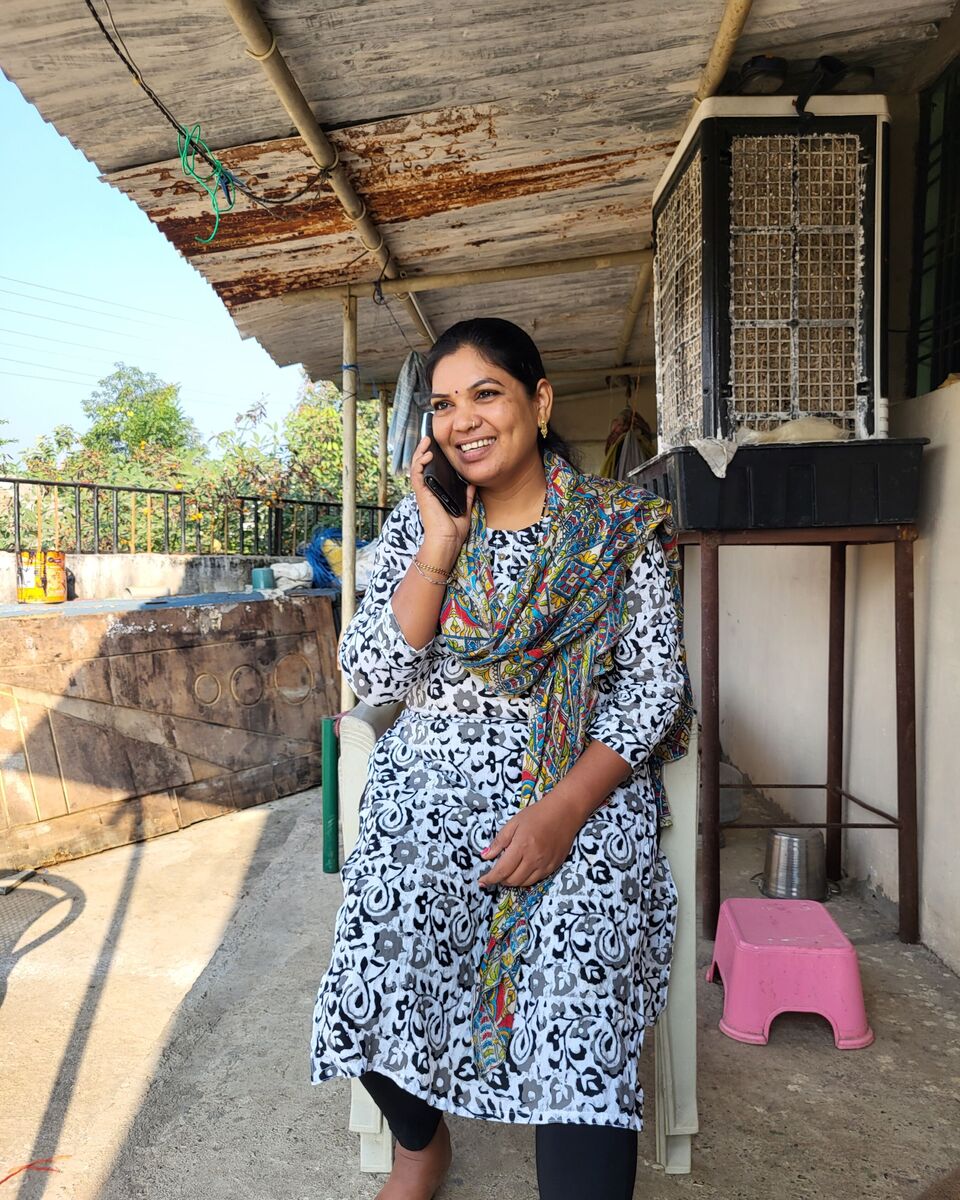
Displaced resident · Women’s organiser
In Visthāpan and Āndolan, Sameeksha embodies the passage from displacement as lived rupture to organisation as political practice. Drawn into the Gosikhurd struggle through village work with women and youth, she became a key organiser across resettled communities, helping build the Kuhi Taluka Mahila Sangathan and later broader women’s networks. Her testimony follows how compensation battles opened into struggles over wages, ration fraud, alcohol, domestic violence, widows’ rights, schooling, housing and access to public schemes. She also shows how women—often excluded from compensation and formal decision-making—became central to blockades, marches, village assemblies and everyday negotiation with the state. Through Sameeksha, displacement becomes not only loss, but a terrain in which a younger generation of women learned to organise, speak publicly and make new political claims.
-
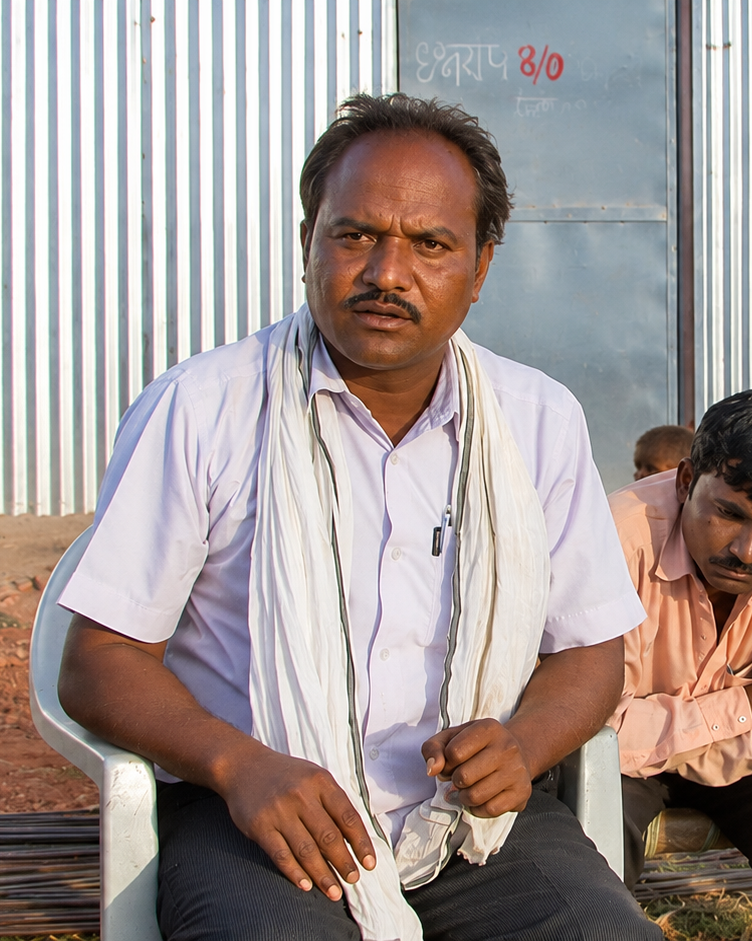
Farmer · Public servant · Former GPSS organiser
A major witness to the making of the Gosikhurd movement, Jagdish appears in Visthāpan and Āndolan as someone who lived its history from inside the villages most directly transformed by the dam. He recalls the first shocks of acquisition and submergence, the great mobilisations of 1999, the Pathri morcha, the Ghatumbri satyagraha, World Dam Day, negotiations, promises and the internal fractures that followed. His testimony is especially powerful because it never turns the movement into legend: he remembers confusion, rivalry, political opportunism, exhaustion and division alongside courage and collective discipline. Through Jagdish, the films show how a movement is actually built—and how difficult it is to keep one alive when homes, livelihoods, kinship and trust are all being remade at once.
-
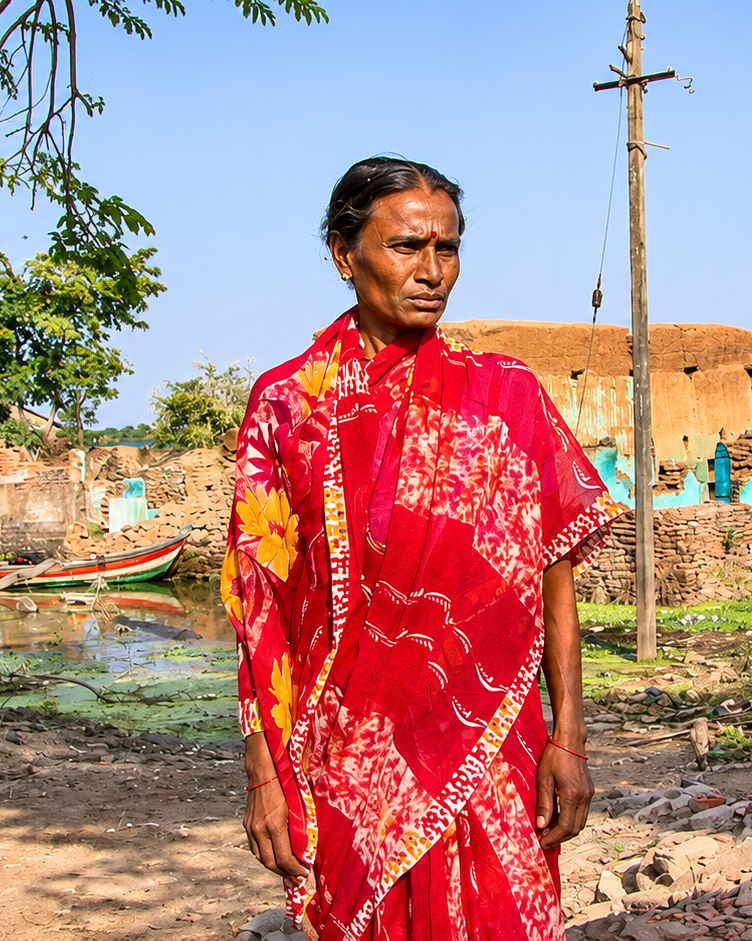
Displaced farmers · Women of the Gosikhurd resettlement villages
Across interviews, conversations and everyday scenes, their voices bring the experience of displacement into the texture of ordinary life: land lost, households reorganised, work transformed, compensation negotiated and futures rebuilt under uncertain conditions. Together, they make visible the often less-heard experiences of women living through resettlement and its long aftermath.
Social movement leaders, intellectuals, activists, poets
-
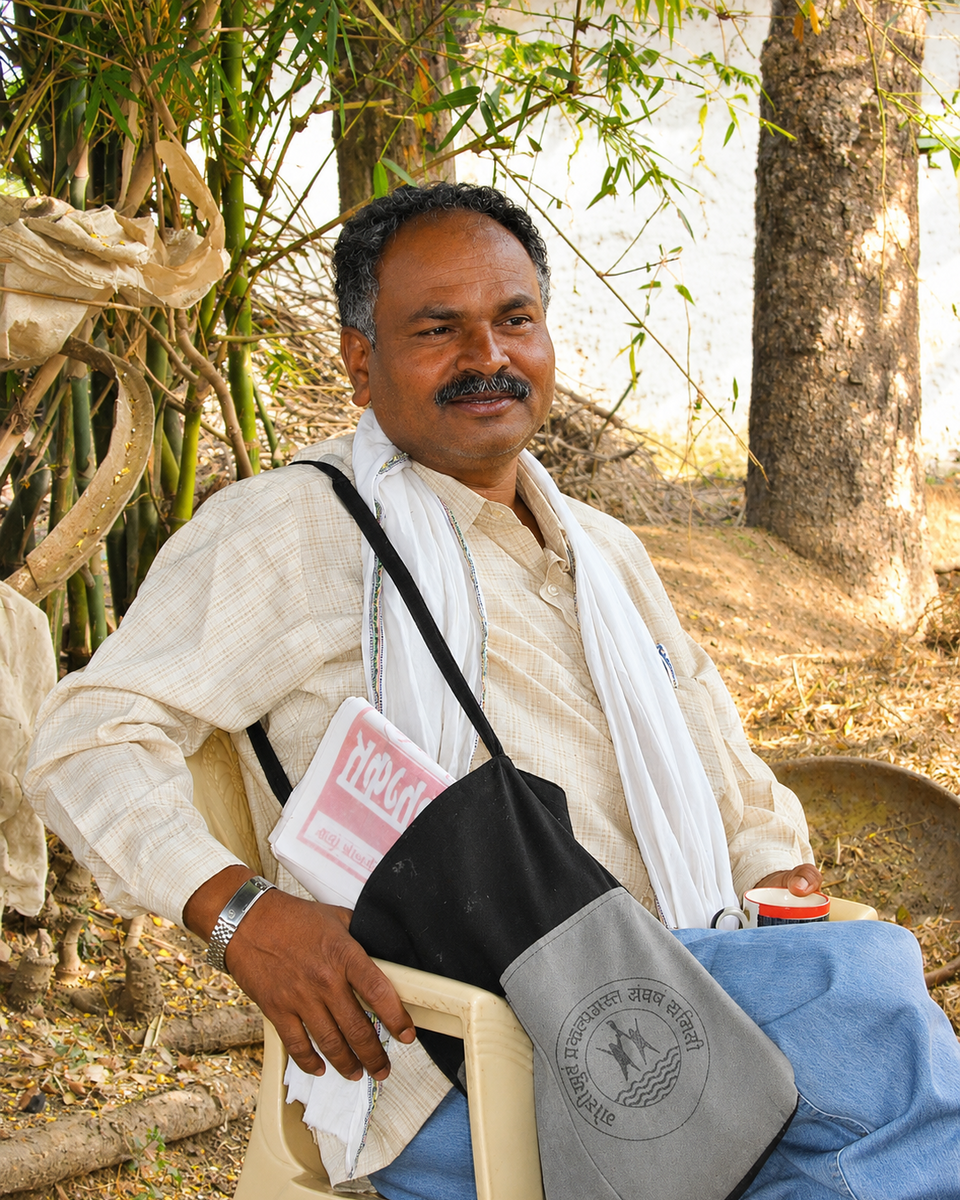
Movement organiser · Gosikhurd Prakalpgrast Sangharsh Samiti · Kashtkari Jan Andolan
One of the essential connective figures of India Bhimraya, Vilas Bhongade has accompanied both the research and the struggles at the heart of the project for more than two decades. A key organiser of the Gosikhurd movement, he recounts in Visthāpan, Āndolan and Dharan the painstaking work through which scattered grievances became collective demands: travelling between villages, building committees, negotiating with administrations, sustaining mobilisation and insisting that rehabilitation must mean a viable life, not simply relocation. His reflections also connect displacement to caste, labour, land and forest rights, carrying the series towards Junglāt. Returning with the camera to his native Shegaon Kund, he also brings movement history back into the social world from which his own political formation emerged.
-
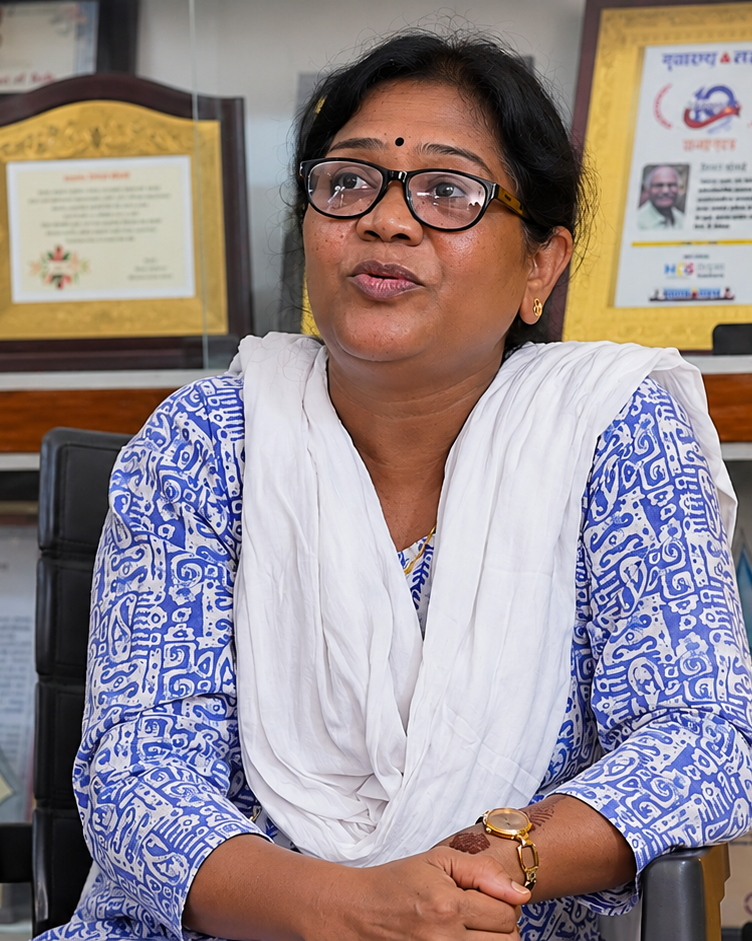
Domestic-workers’ organiser · Molkarin Sanghatana
Working with women in Nagpur’s working-class settlements since the 1990s, Sujata Bhongade brings to Śetkarī–Kaṣṭakarī a long history of organising far beyond the formal workplace. From women’s savings groups and child-labour education to construction workers and, increasingly, domestic workers, her trajectory follows the making of collective capacity among people whose labour often remains fragmented and poorly protected. She speaks particularly to the gendered realities of domestic work—long hours, low wages, sexual harassment, lack of social security and legal recognition—and to the patient organisational work through which women learn to negotiate with employers, claim welfare and labour rights, and speak publicly in their own name.
-
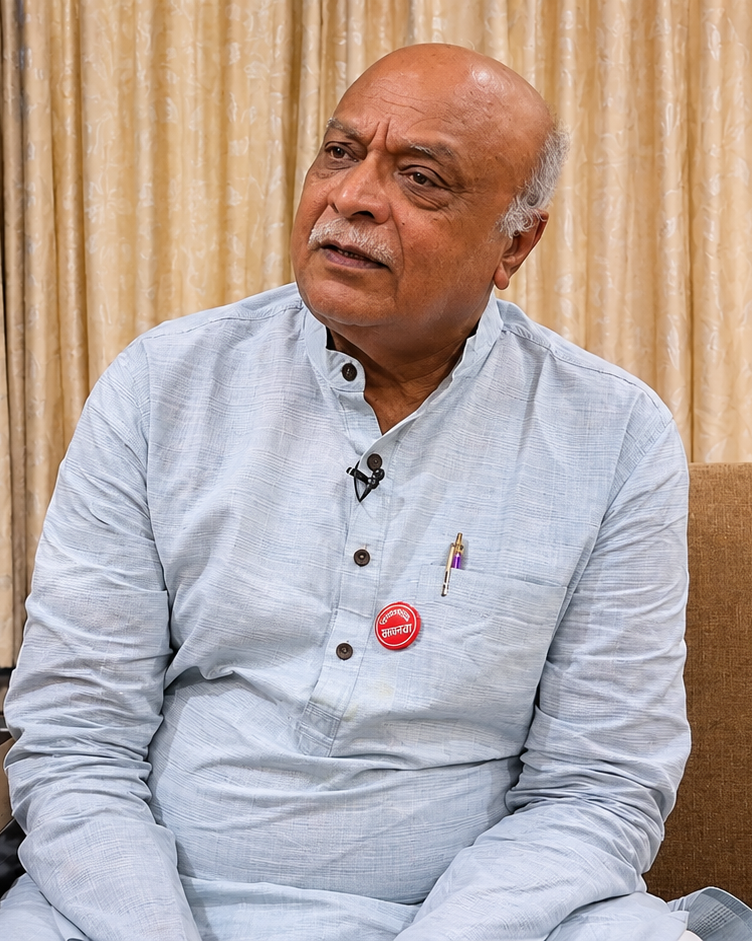
Farmer leader · Shetkari Sanghatana · Agrarian activist
A veteran of Vidarbha’s farmers’ movements and one of India Bhimraya’s longest-standing interlocutors, Vijay Jawandhia has been filmed and interviewed repeatedly since 2007–08, across fields, homes and agricultural markets. In Śetkarī–Kaṣṭakarī, he places the crisis of cotton and soybean cultivators within a much longer history of farmers’ mobilisation, liberalisation and agricultural price policy. From his early involvement in Maharashtra’s cotton struggles and Shetkari Sanghatana to his later engagement with international peasant movements, Jawandhia persistently returns to one question: what does farming produce for those who actually cultivate? His critique shifts attention from production alone to income, indebtedness, state support and the unequal relationship between rural producers, markets and urban prosperity.
-
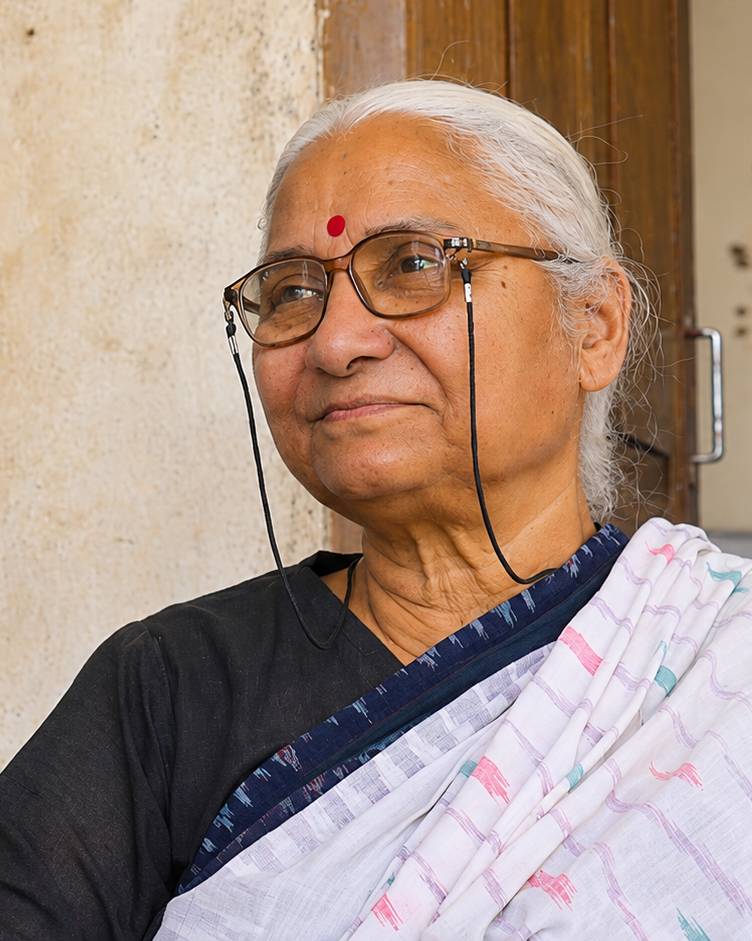
Social movement organiser · Narmada Bachao Andolan · National Alliance of People’s Movements
For four decades, Medha Patkar has been a central figure in struggles over dams, displacement, rehabilitation and the meaning of development. In India Bhimraya, she retraces the making of the Narmada Bachao Andolan while placing it within a wider politics of dispossession—from villages and river valleys to urban demolitions, migration and ecological conflict. Her testimony insists that displacement is never only the loss of a house: it is the unmaking of livelihoods, social worlds and relations to land and water. Against this, she argues for democratic control of resources, constitutional rights and a politics built from people’s struggles themselves.
-
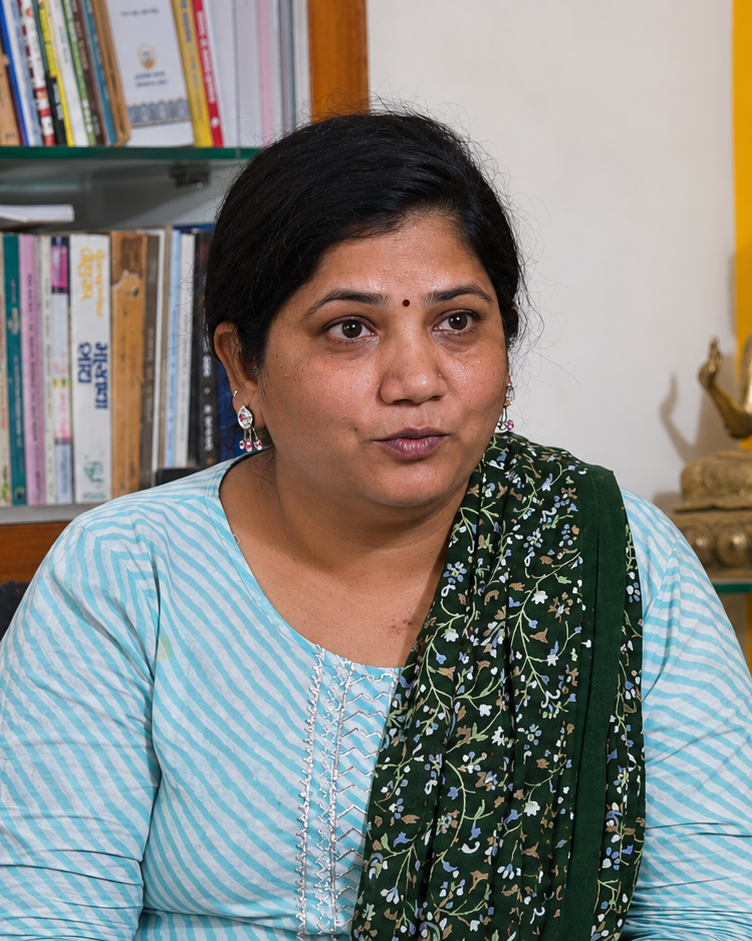
Domestic-workers’ organiser · Molkarin Sanghatana
Roshni brings to Śetkarī–Kaṣṭakarī the world of women whose labour sustains households far from the fields yet remains similarly precarious and poorly recognised. Having herself worked as a domestic worker alongside her mother, she recounts how joining the Molkarin Sanghatana transformed isolation into collective organisation and gradually gave her the confidence to become an organiser and movement leader. Her trajectory—from basti meetings and savings groups to rights education, welfare access and collective bargaining—shows how dispersed domestic labour can become a shared political identity, and how women learn to claim a public voice through organisation.
-
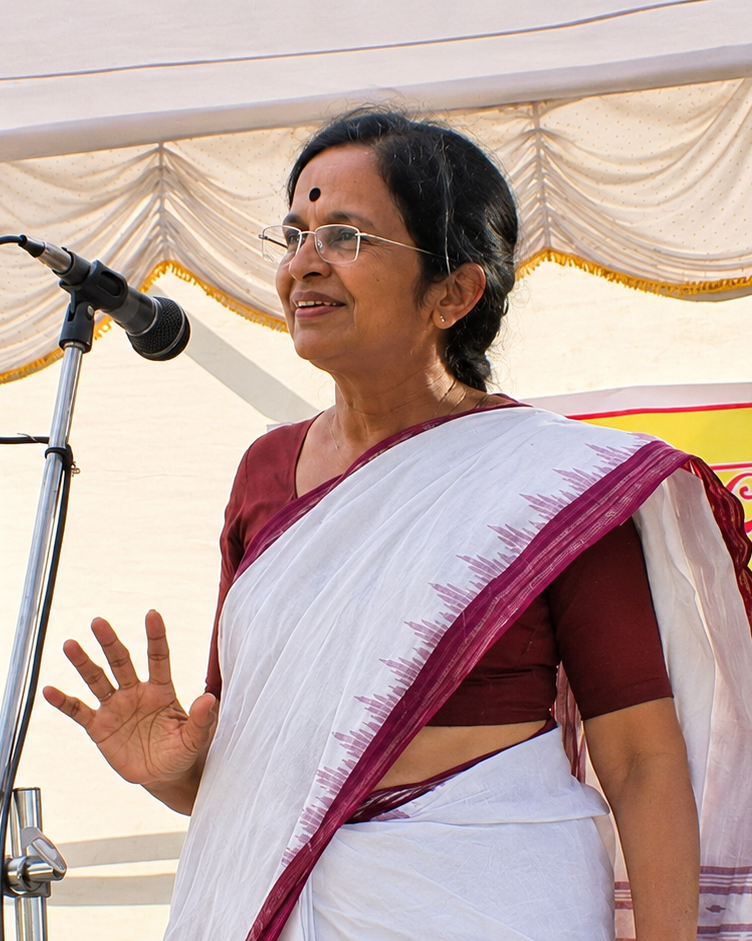
Domestic-workers’ organiser · Molkarin Sanghatana
A long-time organiser with the Molkarin Sanghatana, Rupatai Kulkarni appears in Śetkarī–Kaṣṭakarī where agrarian crisis, women’s labour and urban precarity begin to converge. Speaking at a Vidarbha gathering of project-affected communities, she connects domestic-workers’ organising to the struggles of both rural and urban poor, insisting that women often absorb the deepest costs of displacement while continuing to sustain households, children and everyday life. Her intervention places domestic labour within a wider politics of dispossession, workers’ organisation and collective struggle built patiently over time.
-
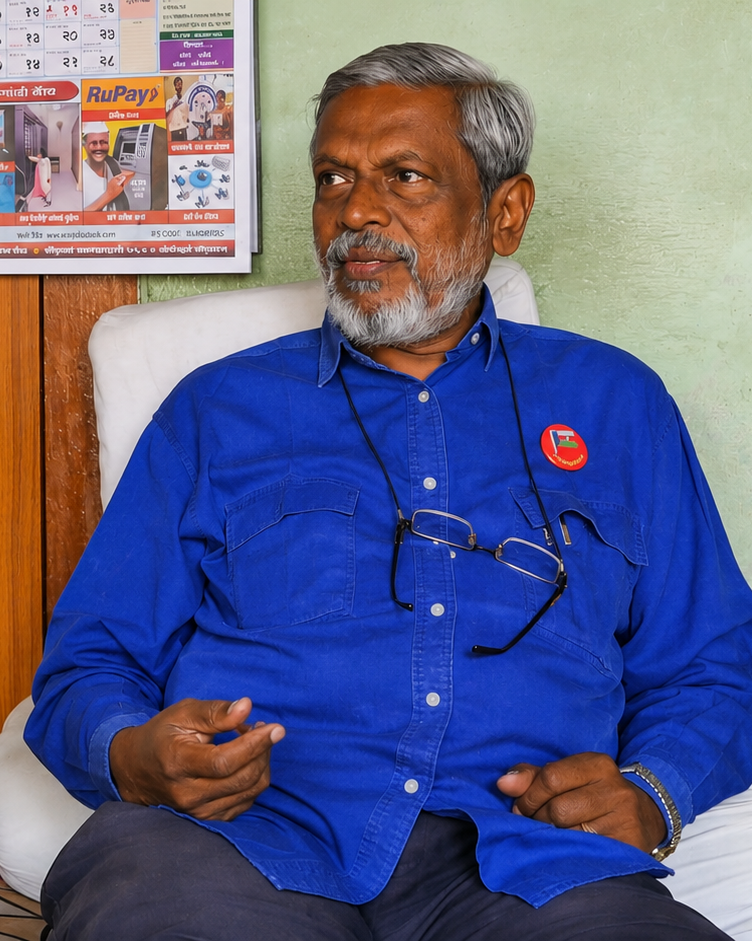
Movement organiser · Anti-caste, water and agrarian activist · Shramik Mukti Dal
A major figure of Maharashtra’s radical movements, Bharat Patankar appears in Āndolan as a key witness to the political ferment of the 1970s: the proliferation of small left organisations, from explicitly theoretical Marxist groups to issue-based struggles, and their encounters, tensions and crossings with the Dalit Panthers and anti-caste politics. His reflections appear in the film via the enduring caste–class debate and the difficult search for political languages capable of holding both together. His lifelong companionship with Gail Omvedt was portrayed in a moving documentary by Somnath Waghmare.
-
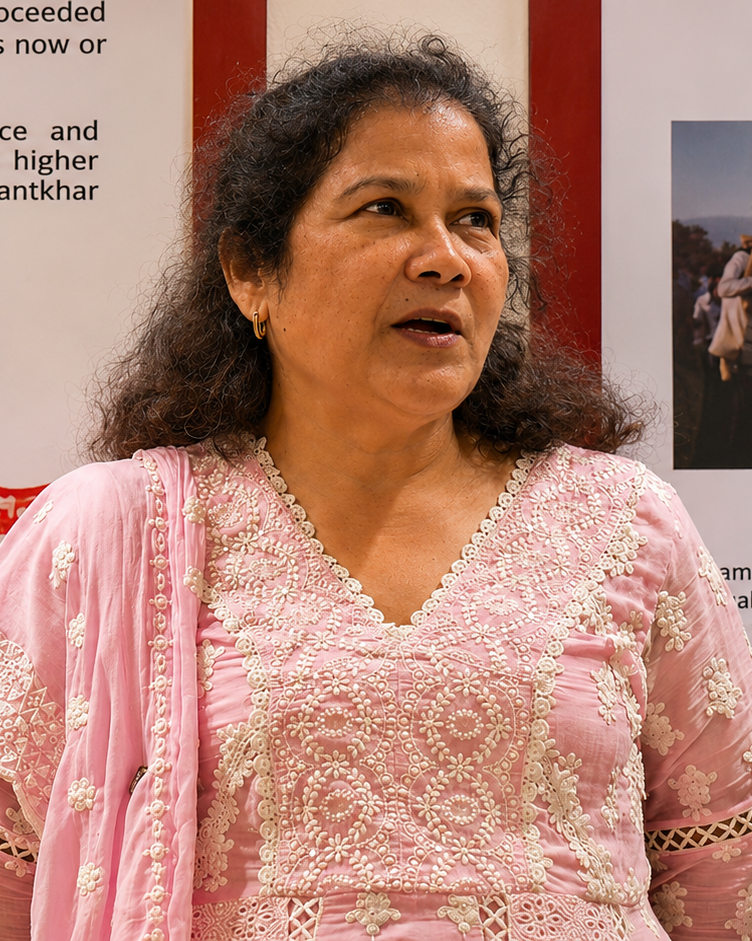
Founder · Sarvahara Jan Andolan · Land-rights and Adivasi activist
For decades, Ulka Mahajan has organised with Katkari Adivasis, landless labourers and farming communities in Raigad. In Āndolan and Dharan, she revisits the mass mobilisation against the Maha Mumbai SEZ, where forty-five villages confronted large-scale land acquisition through sustained, non-violent organisation and a remarkable 2008 referendum. Her testimony connects land, dispossession and Adivasi rights to a wider history of popular struggle, while tracing the shift from winning new rights to defending existing laws, democratic institutions and what she calls a constitutional culture.
-
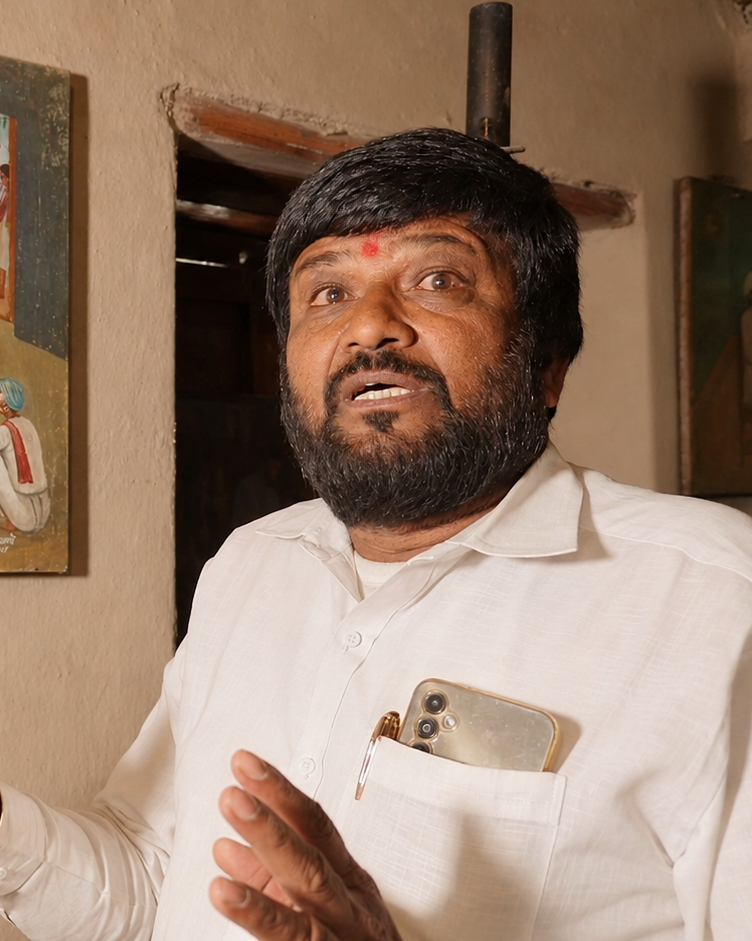
Secretary Hamal Panchayat -Pune · Hamal
Gaurakh is a hamal—a porter—and secretary of Pune’s Hamal Panchayat, the workers’ organisation closely associated with Baba Adhav. We met him in 2024, during our last meeting with Baba Adhav, alongside Nitin Pawar. Gaurakh generously guided us through the places that connect this movement’s history to its everyday work: Samta Wada, Jyotirao and Savitribai Phule’s former home and its museum, then undergoing renovation, the Kashtachi Bhakar collective kitchen serving workers and people on low incomes, the Hamal and Mathadi Board, and the marriage hall. In India Bhimraya, his presence brings into view the practical institutions of workers’ solidarity—where organising extends beyond wages to food, dignity, and the shared costs of everyday life.
-
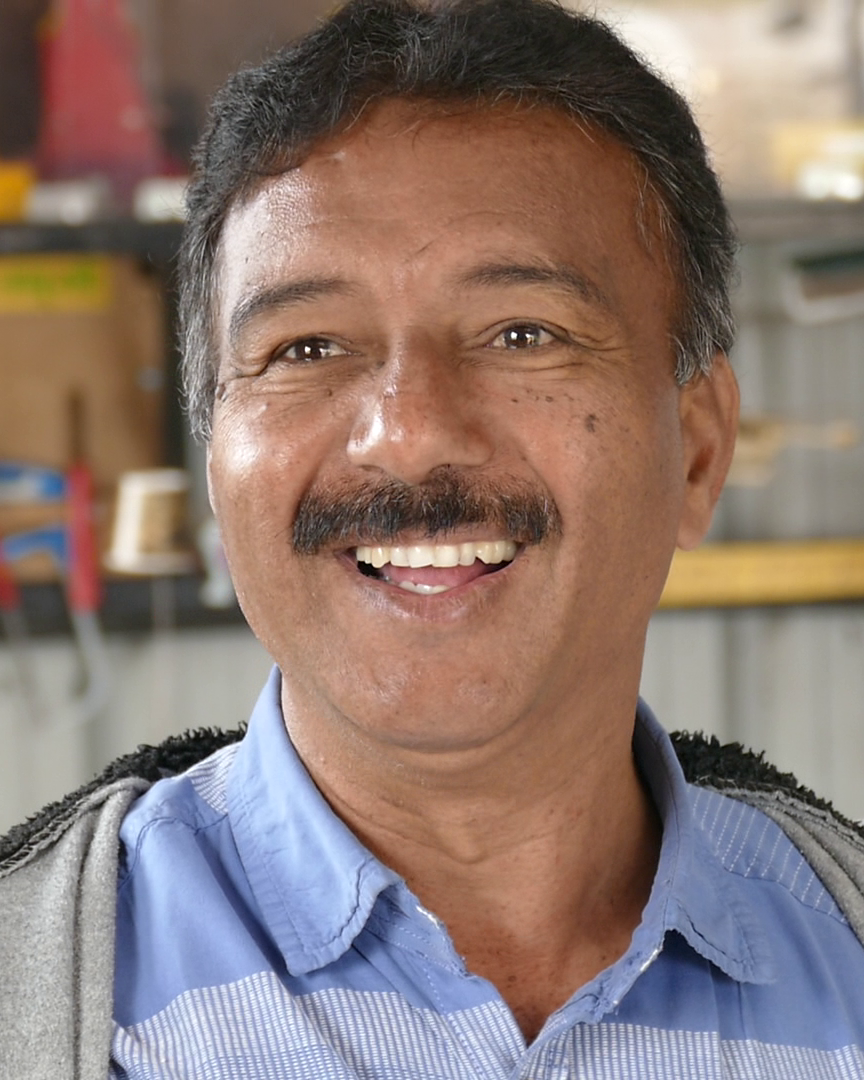

Rashtriya Seva Dal activist · Social worker · Western Maharashtra
A lifelong activist shaped by the Rashtriya Seva Dal, Baba Nadaph appears in Śetkarī–Kaṣṭakarī as a bridge between older socialist traditions and the changing crises of rural Maharashtra. From farmer–worker solidarity and struggles over jal, jangal, zameen to debt, precarious farm incomes, factory closures, floods and the erosion of public education, he reads today’s agrarian world through a long history of grassroots organisation. His testimony brings the film close to the everyday infrastructures of mobilisation: camps, local networks, relief work, constitutional education and a politics of principle sustained beyond elections.
-
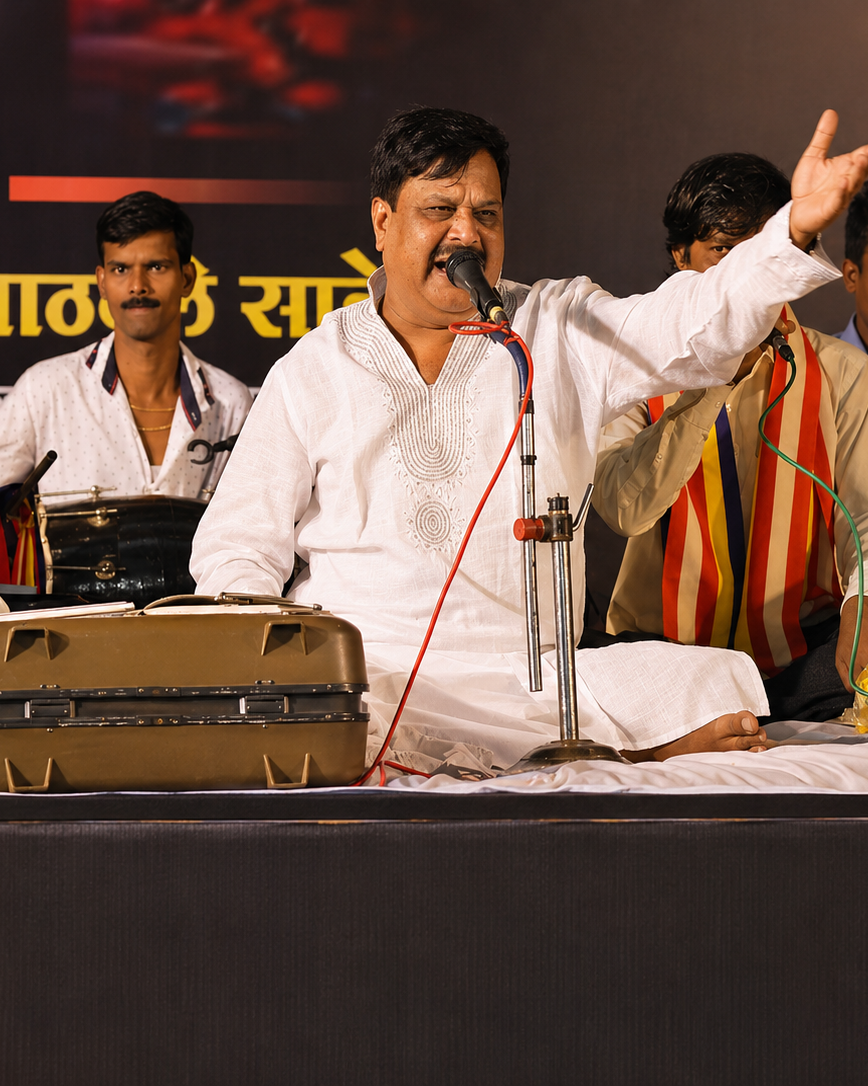

Prabodhankar · Lokshahir · Ambedkarite singer
A Nagpur-based prabodhankar and lokshahir, Prakashnath Patankar turns Bhim Geet, qawwali-inflected performance and political song into forms of popular education. His repertoire revisits Ambedkarite history, challenges caste hierarchy and brings the Constitution into the language of public argument and collective memory. Closely connected to Ambedkarite movement networks, including BAMCEF circles, his work stands at the intersection of music, historical counter-narrative and anti-caste mobilisation.
-
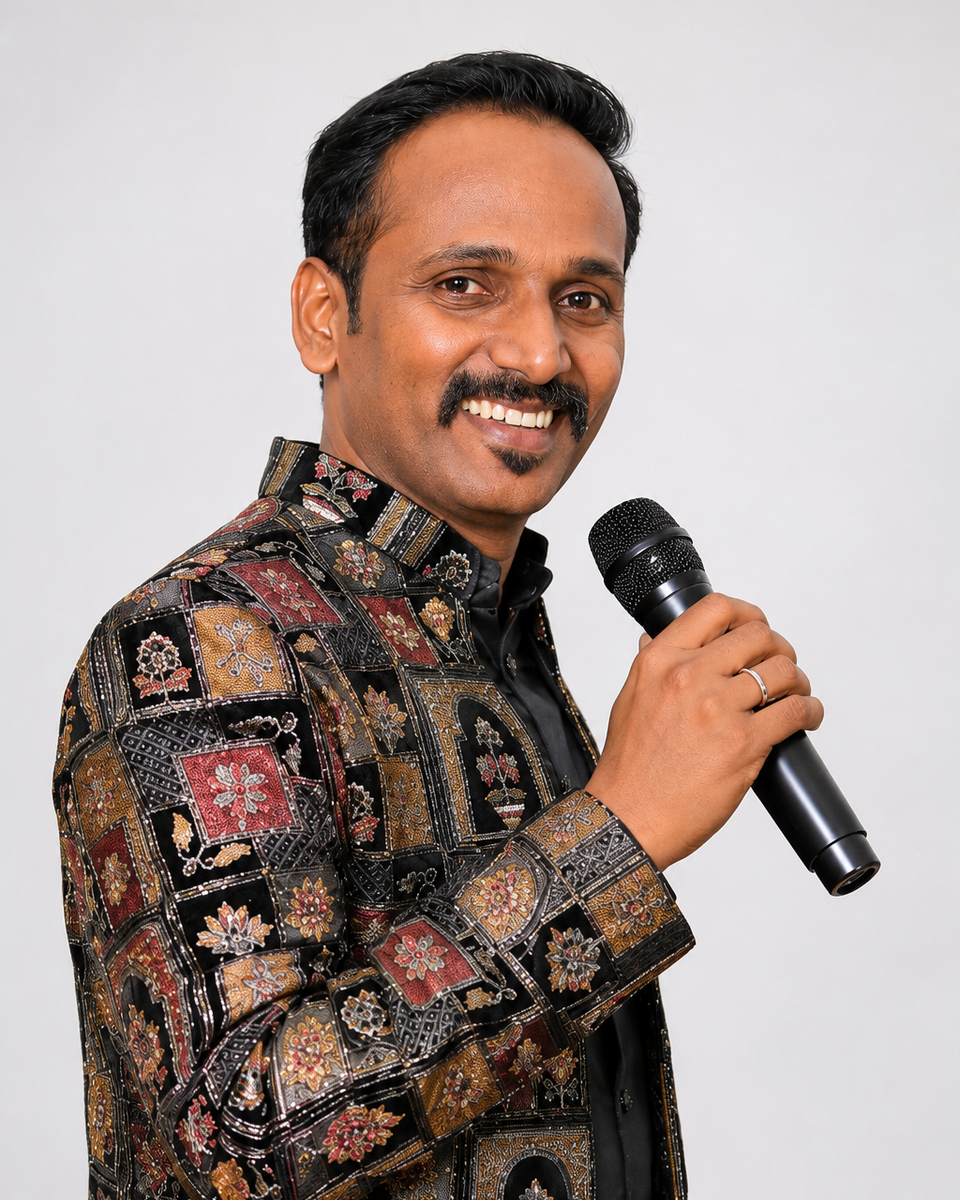
Ambedkarite singer · Actor · Filmmaker
Based in Mumbai, Shirish Pawar is a singer, actor, filmmaker and producer whose work spans theatre, cinema, television, radio and music. Alongside acting and directing, he has worked as a playback singer and music composer, and has been involved in productions ranging from theatre to independent and Marathi cinema.
India Bhimraya first met Shirish on 6 December 2018 in the streets around Chaityabhumi, where he and Charan Jadhav were singing their own Ambedkarite compositions directly to the crowds gathered to commemorate B. R. Ambedkar. The following day, from a police observation tower overlooking Mumbai, the two gave the project one of its most vivid conversations on caste, music, art and the politics of singing.
Seven years later, in December 2025, India Bhimraya met Shirish again at Chaityabhumi, this time with Parmeshwar and the film crew. Amid the extraordinary rush of people, performances and departures that marks 6 December, he helped Parmeshwar find his way onto a stage for a brief song. The moment was short-lived, but it brought together two generations of Ambedkarite musical practice and one of the project’s oldest threads: how songs move between streets, stages, memories and movements.
-
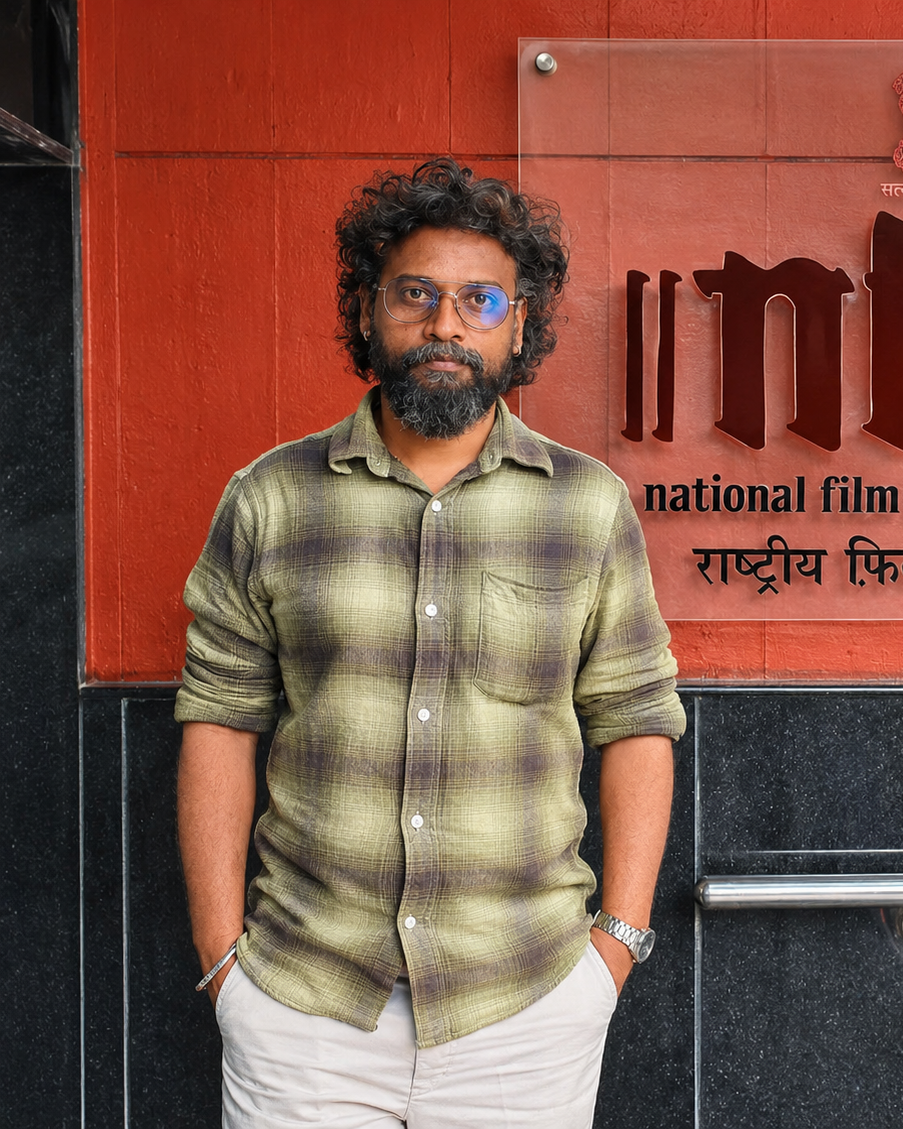

Ambedkarite singer · Prabodhan artist · Poet · Composer
Originally from Paithan and now based in Mumbai, Charan Jadhav is an Ambedkarite singer, poet and performer trained in theatre, direction and folk performance. He writes songs and poetry, sings, acts and plays several instruments, moving easily between stage practice and the street-based traditions of prabodhan and Ambedkarite cultural activism.
India Bhimraya first met him on 6 December 2018, during the annual gathering at Chaityabhumi, where he and Shirish Pawar were singing their own compositions directly to the public in the streets of Mumbai. The following day, Charan gave the project an exceptionally open and generous interview on caste, art, music, performance and the political force of song. His presence in the series captures something essential about Ambedkarite cultural life: the way poetry and music can become at once memory, argument, popular education and collective affirmation.
-
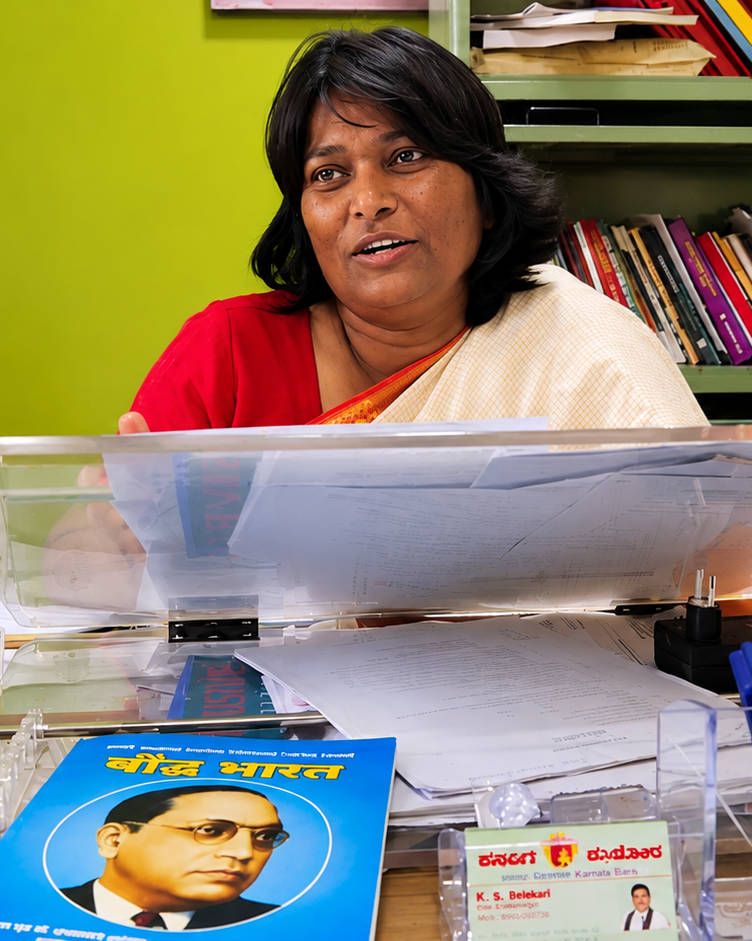
Women’s Studies scholar · Ambedkarite and Left activist · Western Maharashtra
A scholar and activist shaped by the intellectual legacy of Sharmila Rege, Dhammasangini appears in Āndolan at the intersection of caste, class and gender politics. Moving across Marxist and Phule–Ambedkarite traditions, she reflects on the limits of single-axis politics and on the need to think social transformation through all three together. Her contribution also turns to cultural struggle: the politics of Bhim geet, patriarchal ideals embedded in Ambedkarite songs, shared Dalit–Muslim qawwali traditions, and the changing place of movement singers in an increasingly professionalised political culture.
-
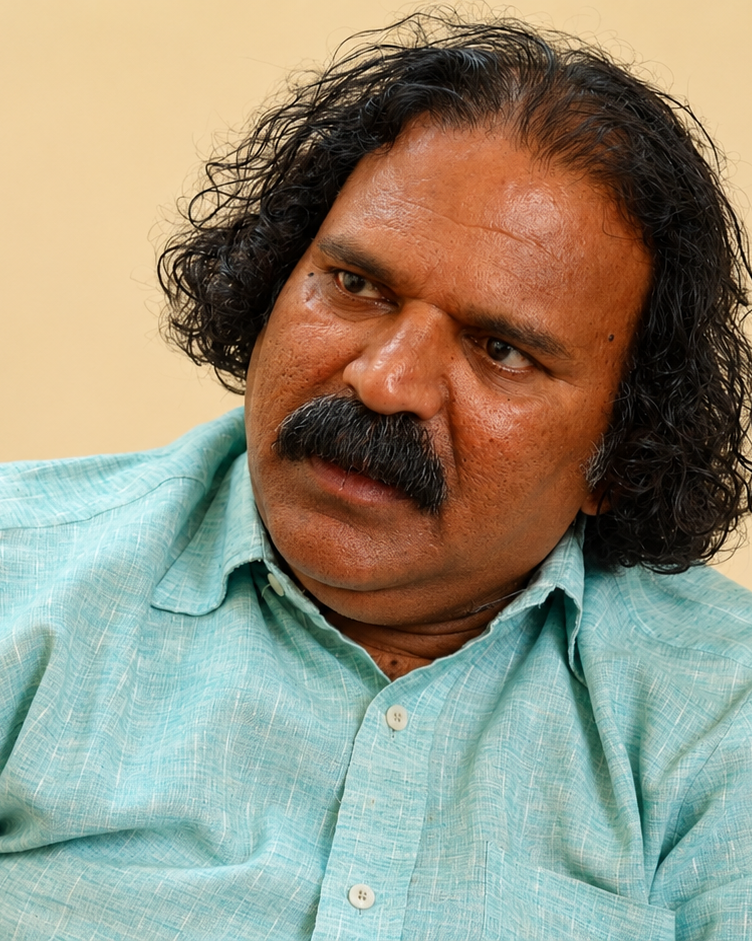
Lokshahir · Singer · Playwright · Anti-caste cultural activist
A major voice of Maharashtra’s radical cultural tradition, Sambhaji Bhagat traces in Āndolan a political and musical journey from caste-segregated village life to Mumbai’s pavement, Siddharth Vihar Hostel and the worlds of Dalit and Left activism. Emerging through Avhaan Natya Manch, he reflects on the crossings—and persistent tensions—between Ambedkarite and Marxist politics, the Dalit Panthers, cultural movements and mass struggle. For Bhagat, song is never ornament: it is argument, memory, political education and a means of carrying struggle into public life.
-
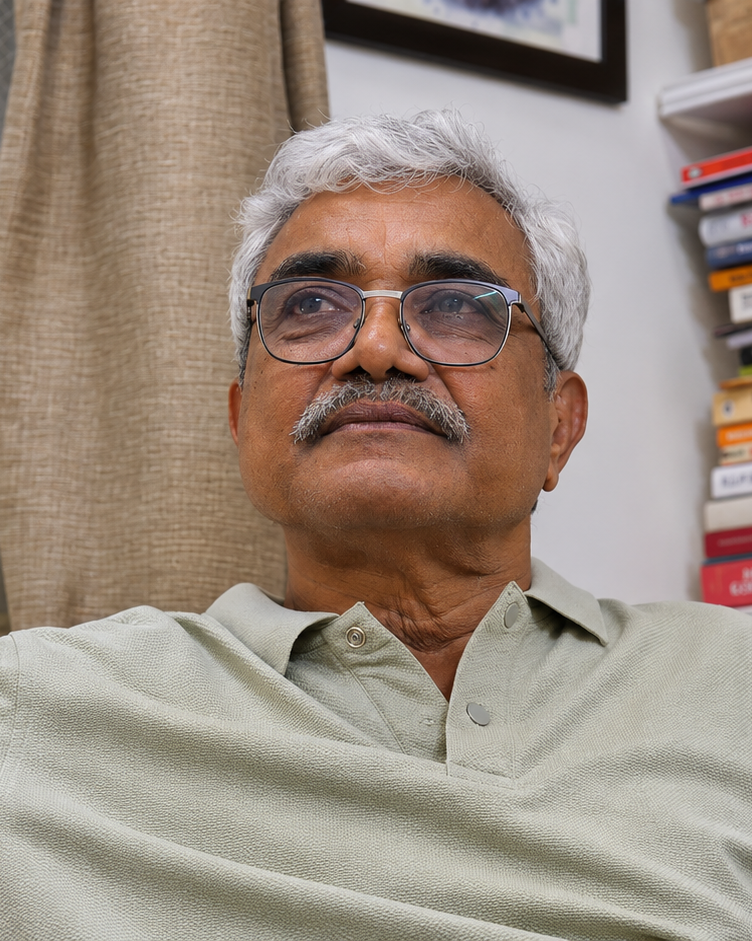
Sociologist · Writer · Anti-caste public intellectual
Anand Teltumbde brings to Jāt a structural reading of caste, democracy and Ambedkarite politics. Moving from colonial enumeration and the contemporary caste-census debate to reservations, political representation and neoliberal inequality, he insists that caste cannot be reduced to a fixed category or a matter of numbers alone. His reflections culminate in a forceful reading of Ambedkar as a structural revolutionary: conversion to Buddhism appears not as a spiritual retreat, but as political exit, a deliberate rupture with the social order of caste.
-
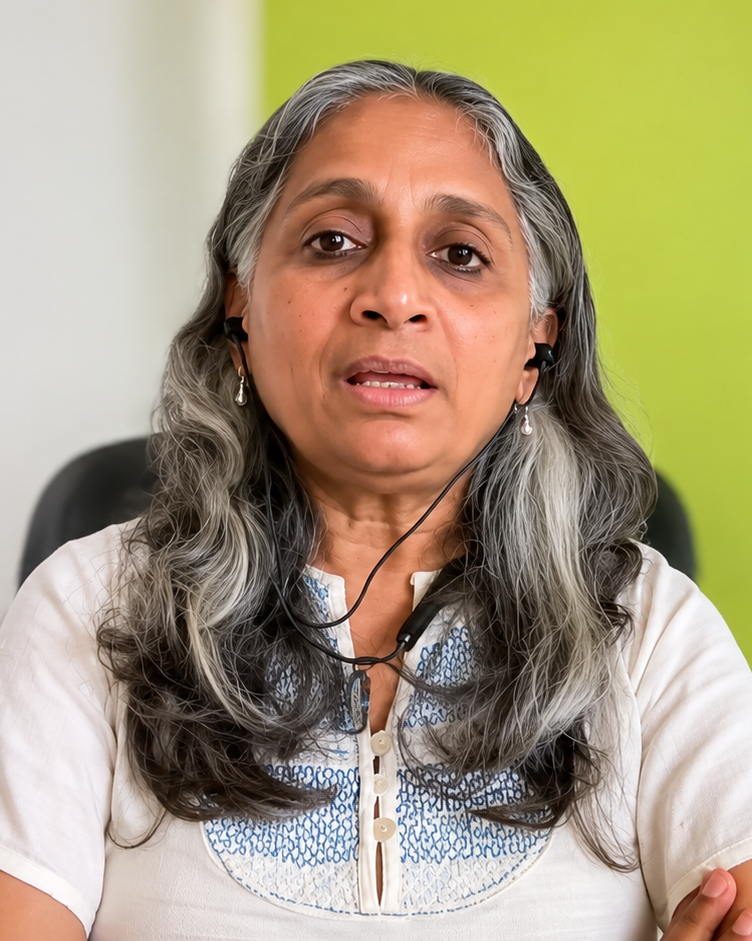
Agrarian activist · ASHA–Kisan Swaraj
A leading voice in struggles for farmers’ rights and ecological agriculture, Kavitha Kuruganti brings to Śetkarī–Kaṣṭakarīa national perspective that complements the film’s Vidarbha-centred agrarian story. Drawing on decades of work with farmers’ movements, including the 2020–21 Kisan Andolan, she reads the agrarian crisis as a loss of economic, political and ecological sovereignty. Her intervention foregrounds those often excluded from the category of “farmer” itself—women, tenant cultivators, agricultural labourers and Adivasis—and connects viable livelihoods to control over land, seeds, knowledge and markets. For Kuruganti, agroecology is therefore not simply a farming technique, but a question of economic, social and environmental justice.
Dams, expertise and the politics of development
The series also listens to those who designed, administered, studied or defended the infrastructures around which other lives were transformed. Their presence is essential: India Bhimraya places technical expertise and lived consequence within the same historical field.
-
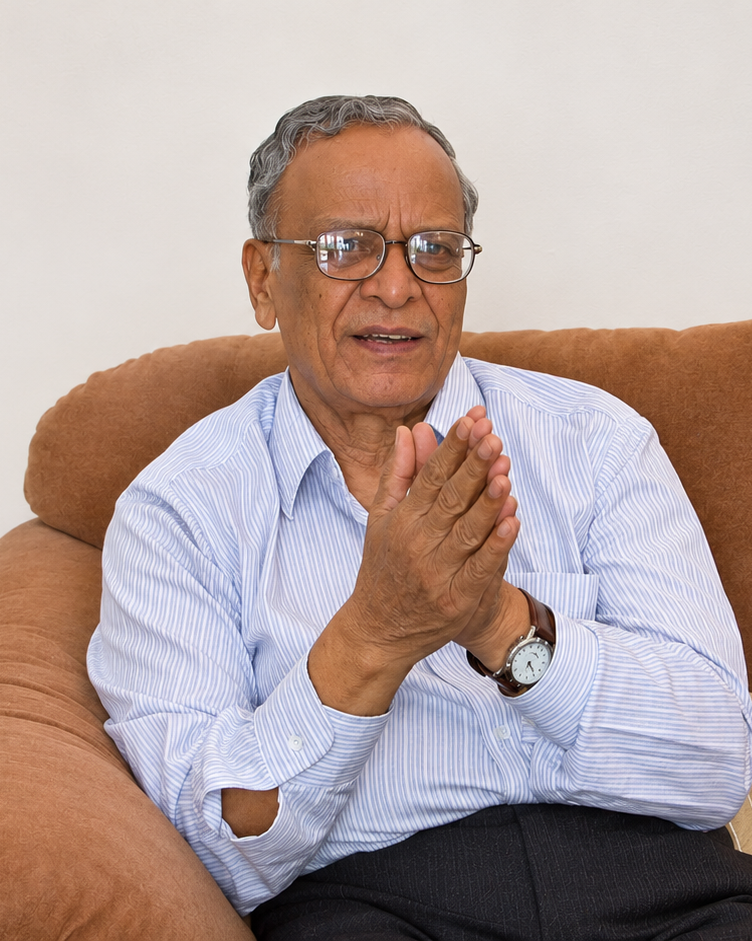
Civil engineer · Former Secretary, Ministry of Water Resources · Water-policy administrator
One of India’s most influential water engineers and administrators, and the inaugural Stockholm Water Prize laureate in 1993. His career embodies the institutional confidence of post-independence hydraulic development—the world of planning, irrigation and technical expertise that Dharan examines from several sides.
-
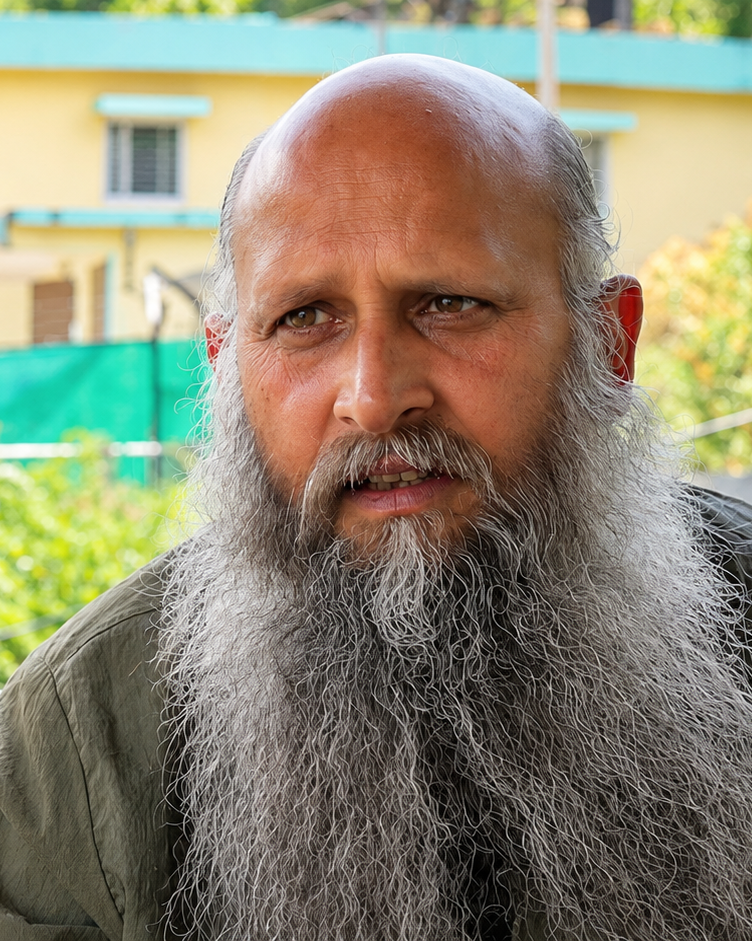
Joshimath activist · Joshimath Bachao Sangharsh Samiti
A prominent local voice in the struggle around Joshimath, where roads, hydropower, urban expansion and geological instability make the Himalayan development question immediately tangible.
-
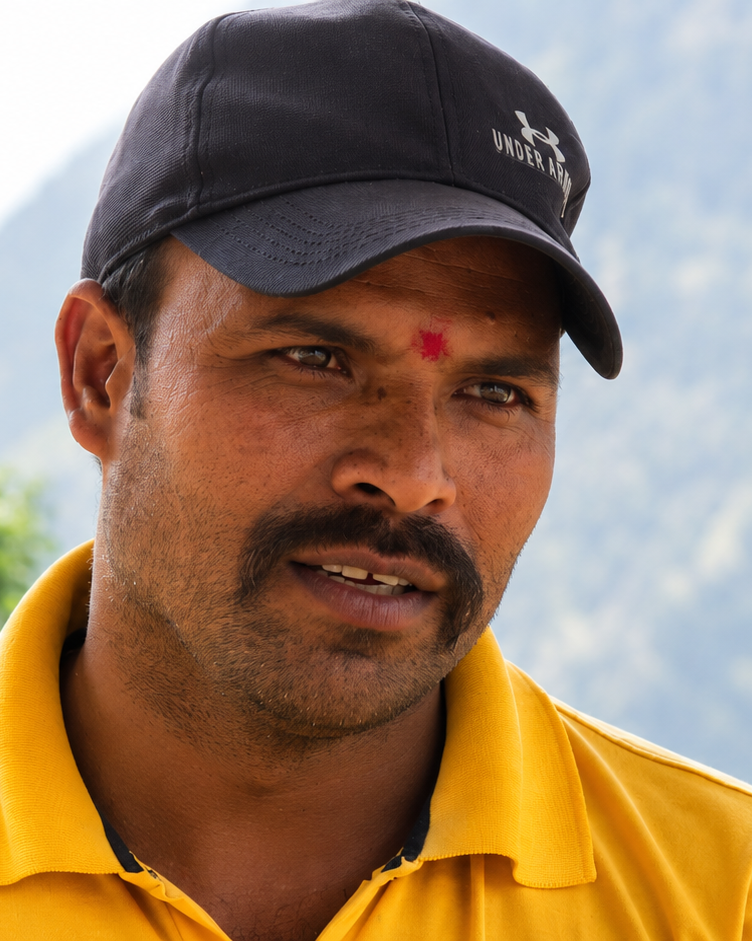
Village head · Lata, Tapovan region
Speaking from a village situated within one of Uttarakhand’s most intensely transformed hydropower landscapes, Rana brings the institutional language of development back to the scale of settlement, livelihood and local consequence.
-
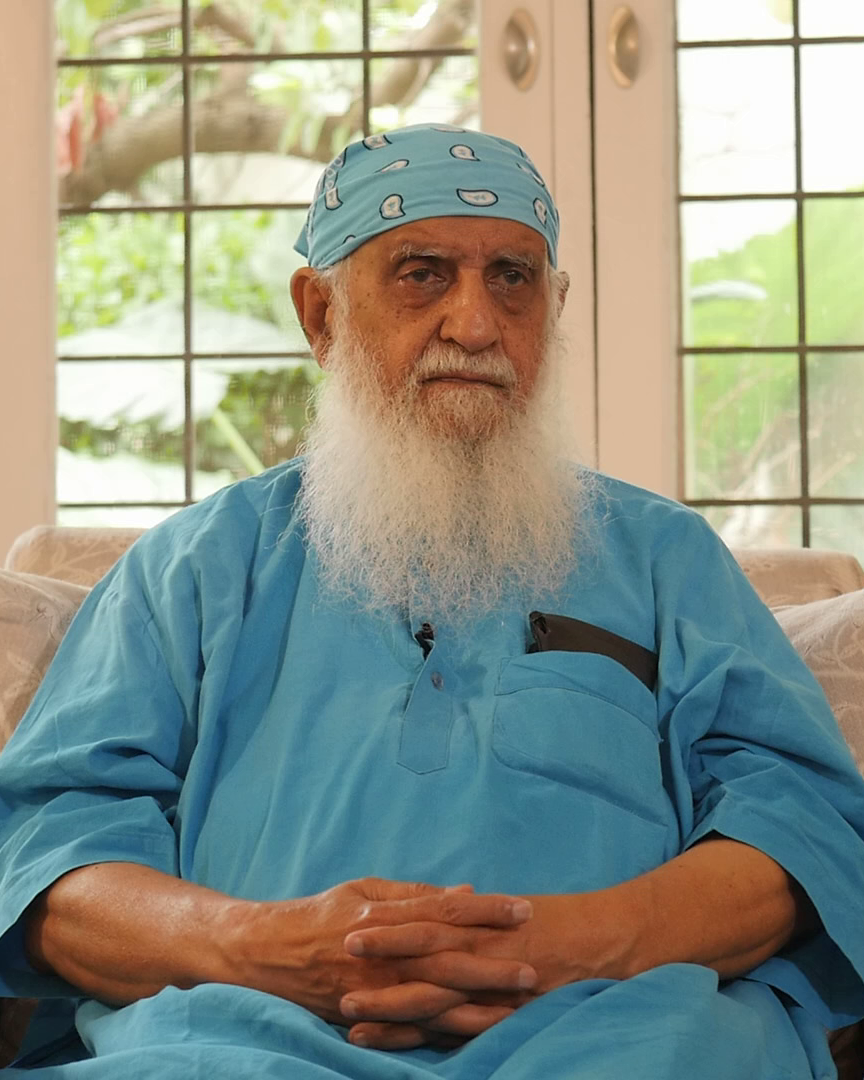
Environmental engineer · Founder, People’s Science Institute
A long-standing researcher and public voice on Himalayan development, rivers and ecological risk. In the series, his perspective places infrastructure within the fragile geological and social landscapes through which it passes.
Forests, conservation and rights
-
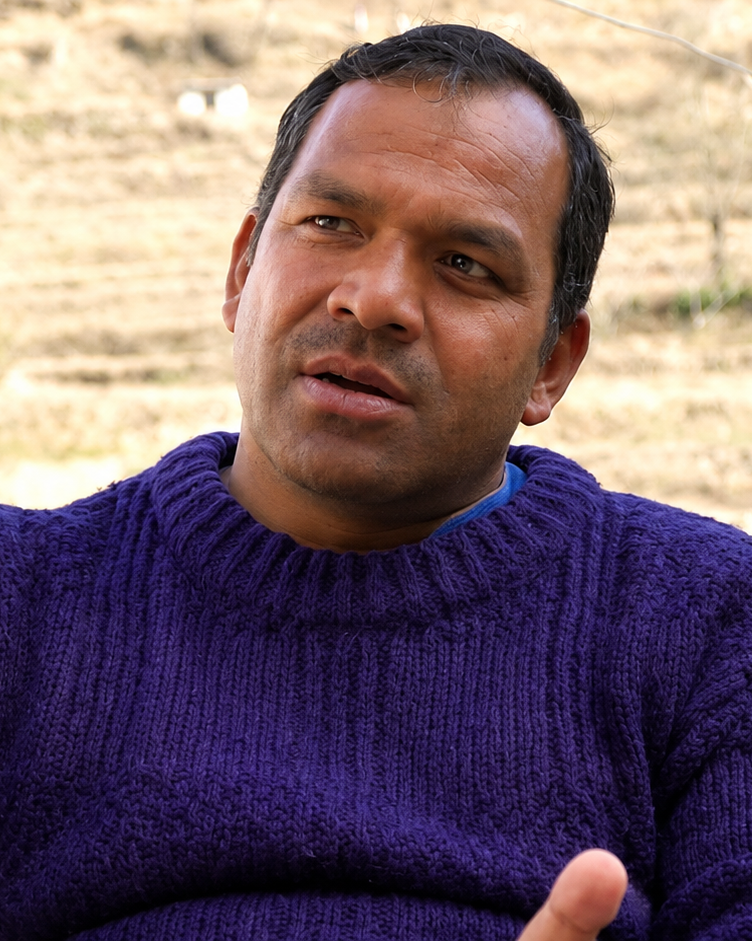
Apple farmer · Forest-rights activist · Himalayan organiser
A farmer and grassroots organiser from Uttarakhand whose work connects forest rights, mountain livelihoods and the political experience of communities living beside protected landscapes.
-
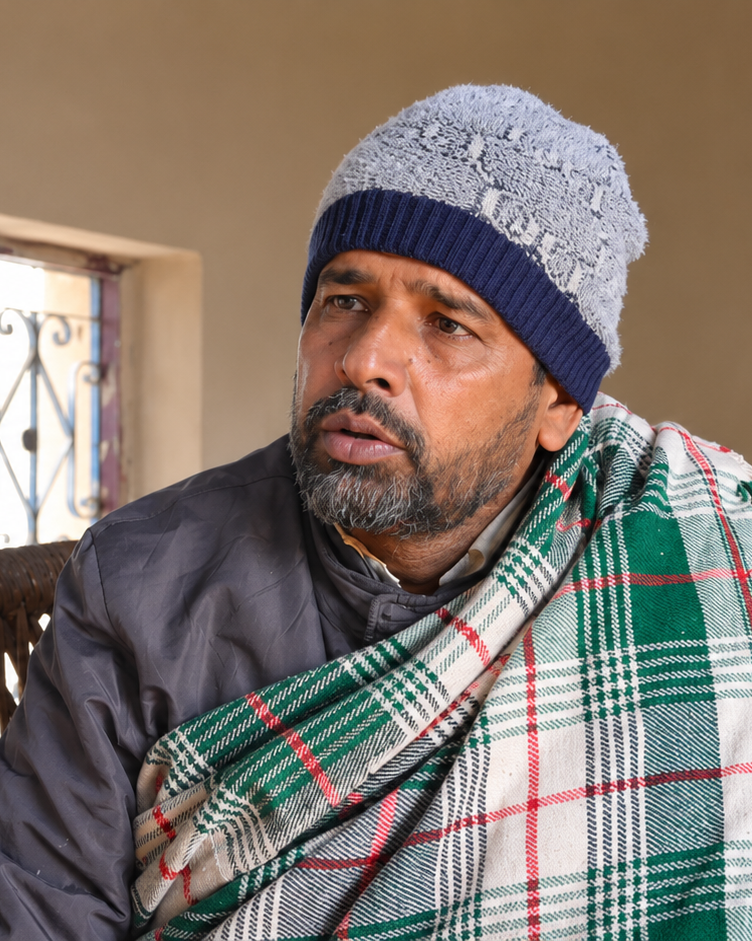
Pastoralists · Forest residents
Their presence opens Junglāt onto a mobile pastoral world too often rendered invisible by conservation maps. Through cattle, seasonal movement, forest knowledge and contested residence, they pose the question of who is permitted to belong inside a protected landscape.
-
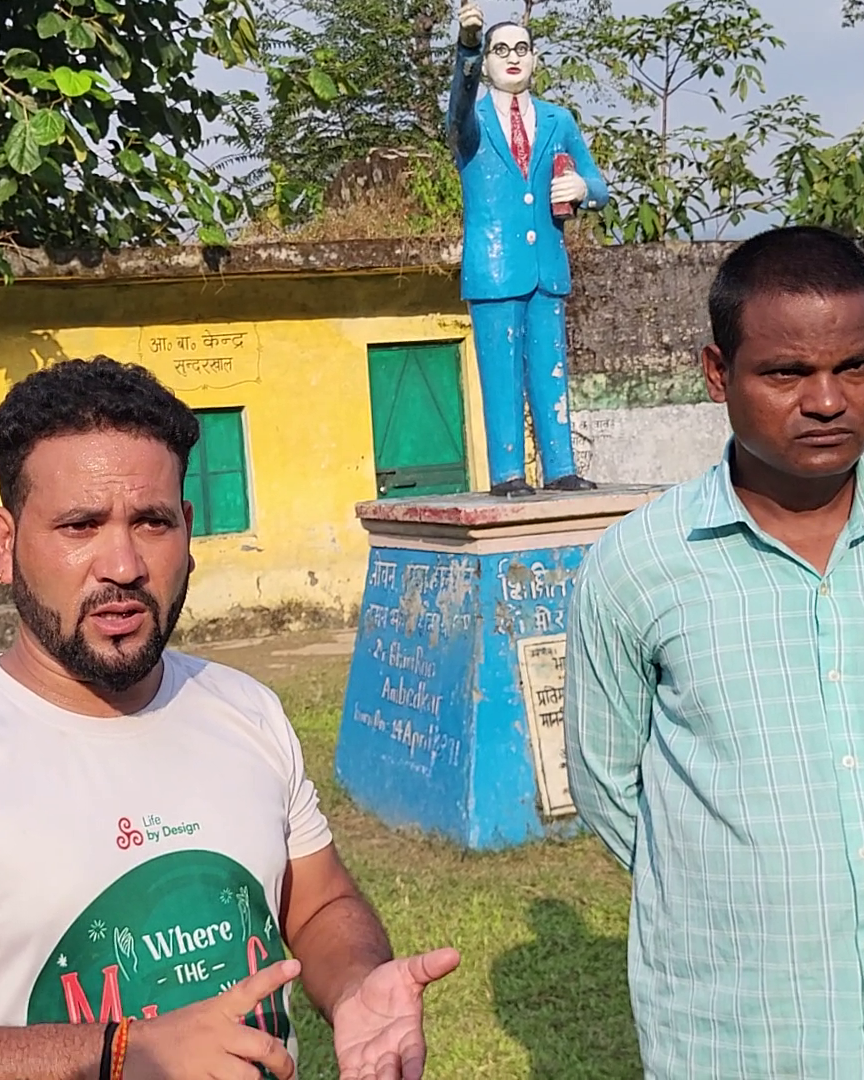
Residents of Sunderkhal · Forest frontier residents
Their accounts place caste, precarious settlement and forest governance within the same landscape, showing that the politics of conservation is inseparable from older histories of social inequality.
-
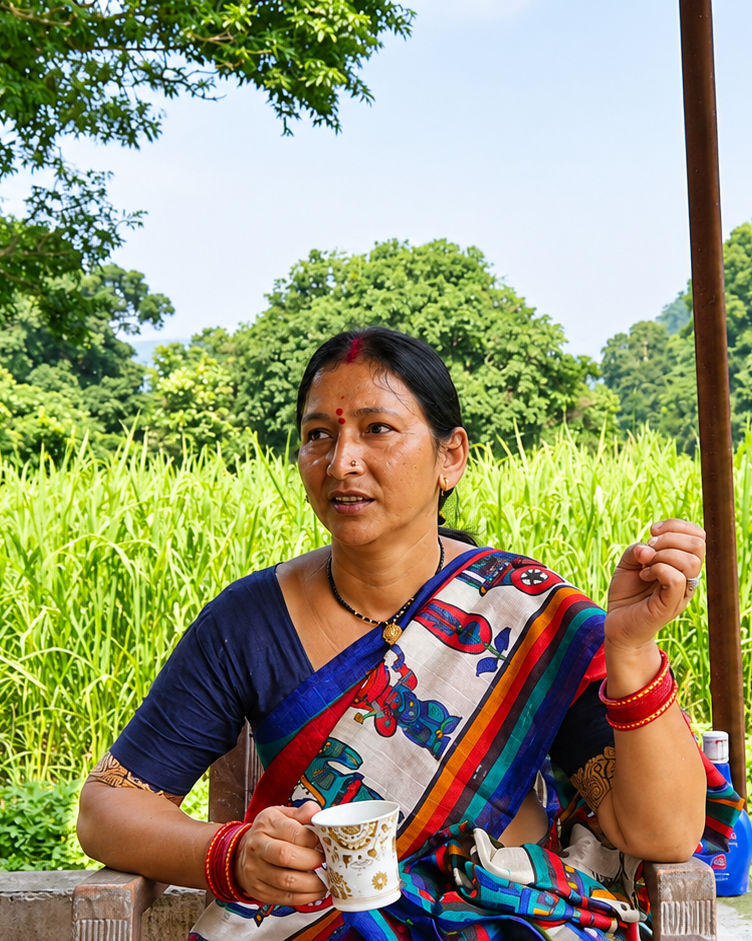
Anganwadi teacher · Chukam
Through the everyday institution of an anganwadi, Sunita reveals another geography of the forest: children, schooling, care, public services and the effort required to sustain ordinary social life in a marginal settlement.
-
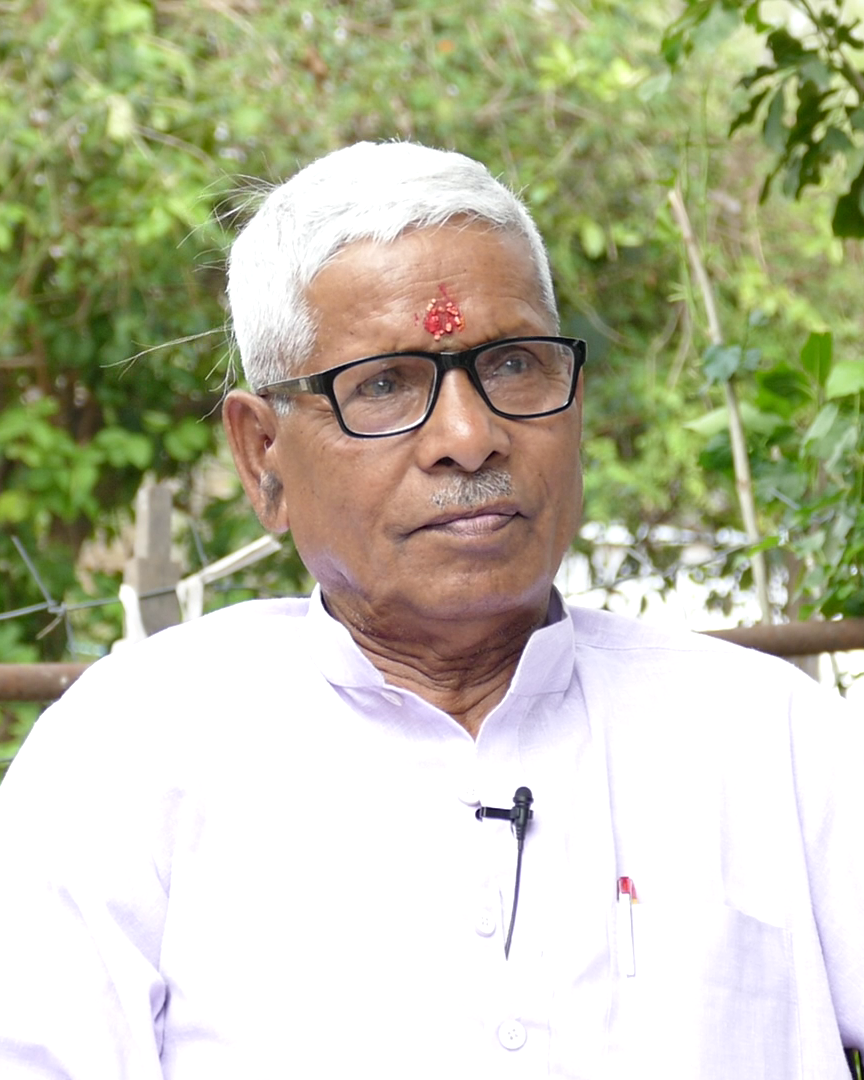
Van Gram representative · Forest frontier resident
Their testimony brings collective governance and recognition to the foreground: what it means for a settlement to exist socially and historically while its rights remain subject to administrative categories.
-
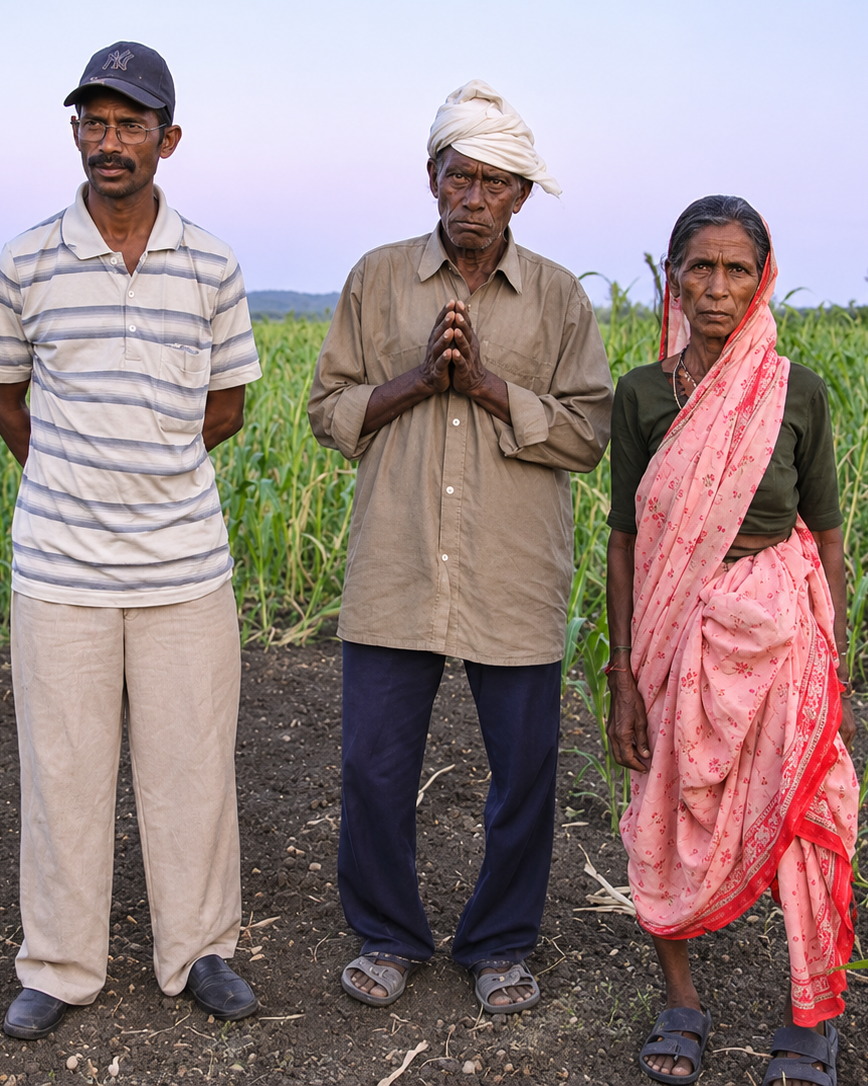
Kholdoda residents · Forest-edge farmers
Their family history brings the forest frontier into intimate scale: cultivation, inheritance, proximity to wildlife and the uncertainties of remaining in landscapes increasingly governed through conservation.
Collective presences
-
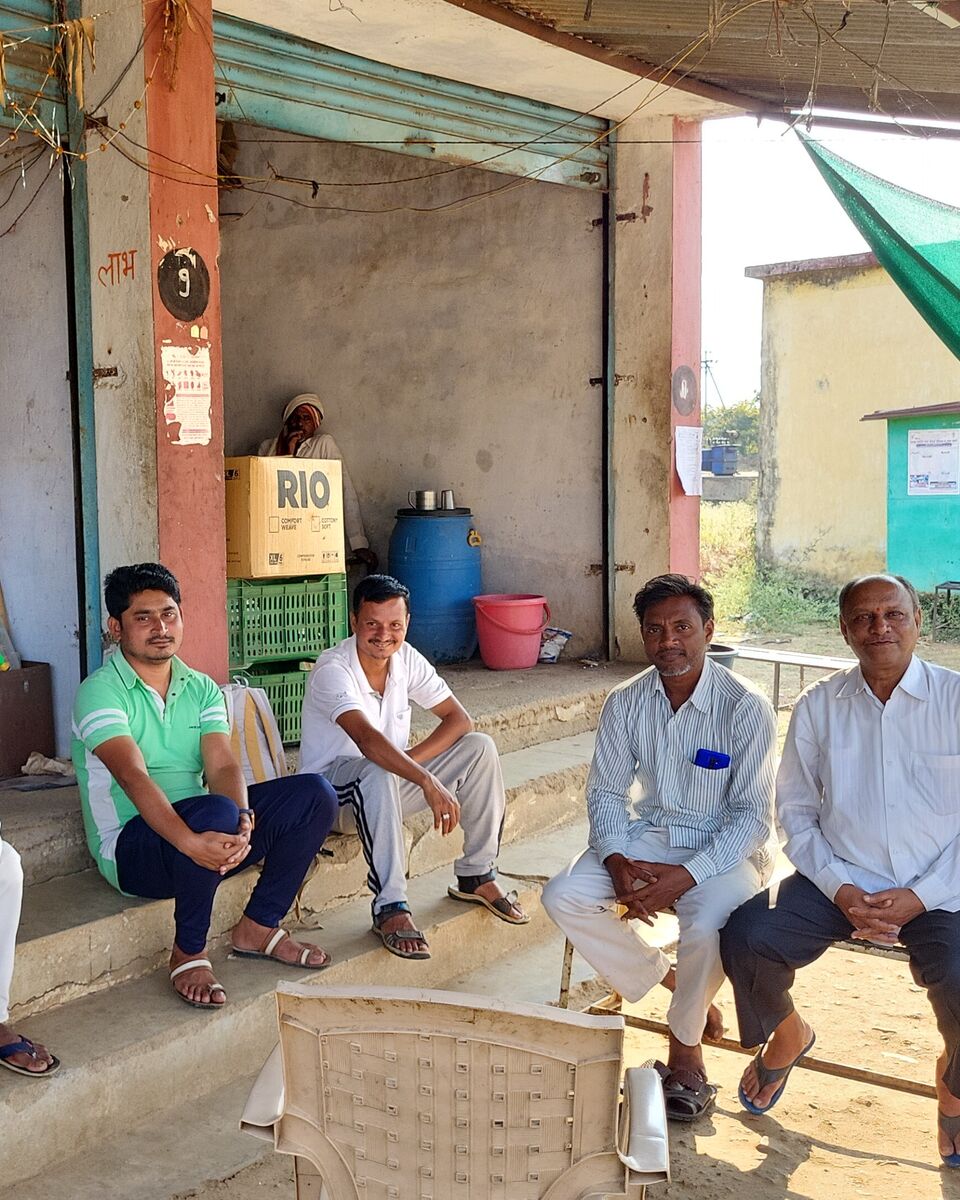
Farmers · Agricultural labourers · Fishermen · Families
The enduring collective presence of the series. Fields, lanes, houses, weddings, songs, arguments, work and ordinary conversation give India Bhimraya its deepest archive: not a village frozen in time, but a social world followed through rupture and reconstruction.
-
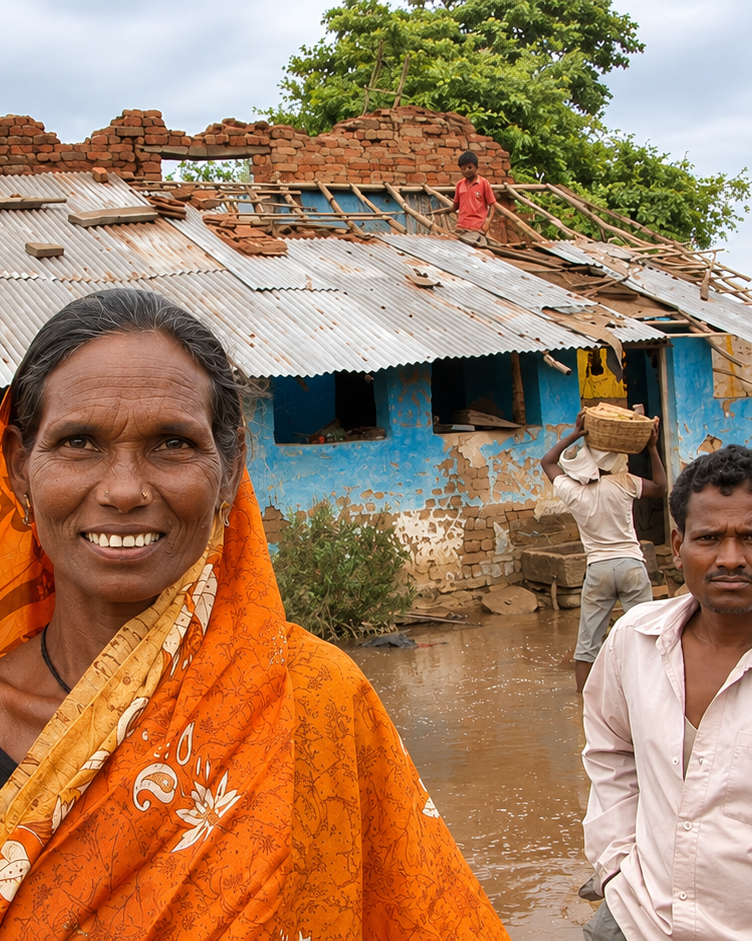
Gosikhurd project-affected families
Seen at the edge of submergence, their collective testimony transforms the reservoir from landscape into history: fields below the water, homes dismantled, and a future being negotiated while the old one is still disappearing.
-
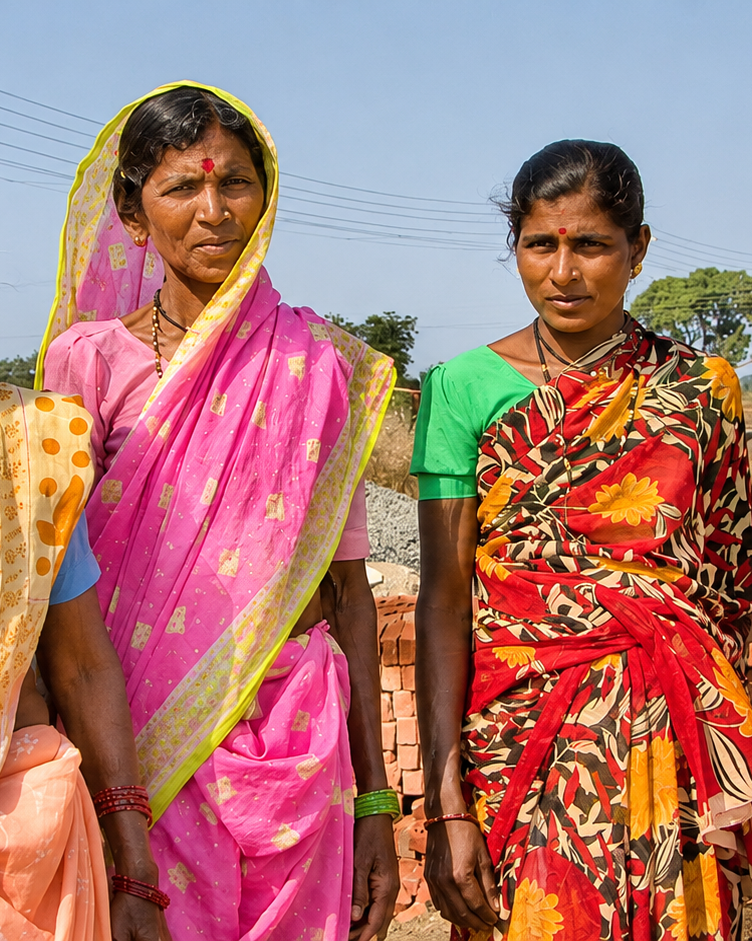
Displaced residents · Collective witnesses
Speaking together from the foundations of resettlement, they turn an unfinished built environment into a political stage—making visible the distance between official rehabilitation and lived reconstruction.
-
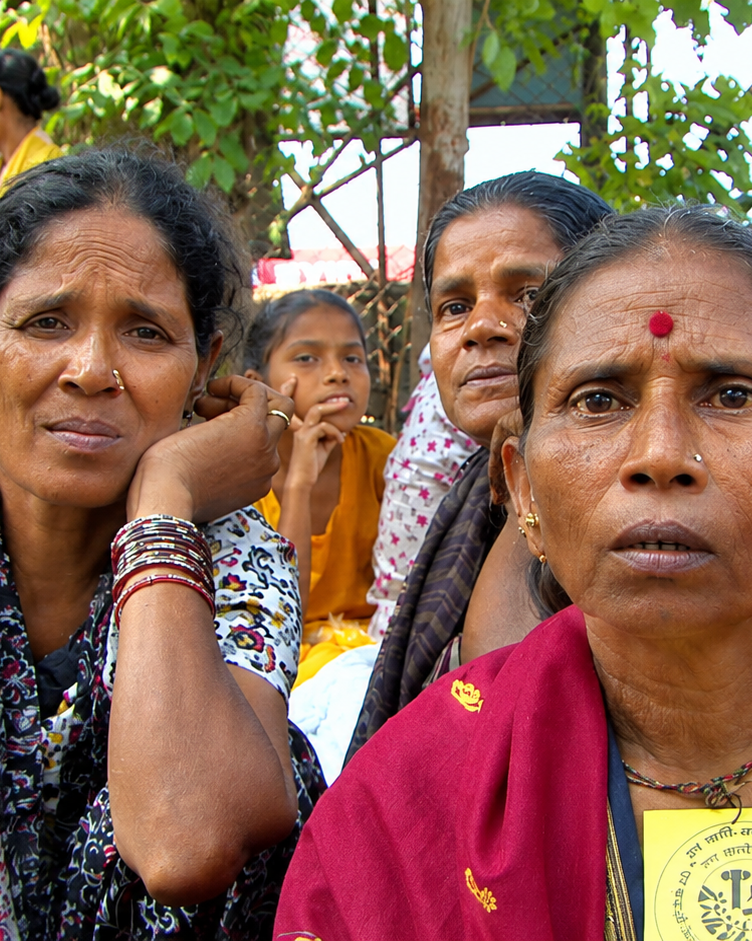
Their arrival expands Visthāpan beyond the dam. Urban eviction and rural displacement meet through solidarity, exposing a common politics of land, housing and dispossession across very different environments.
-
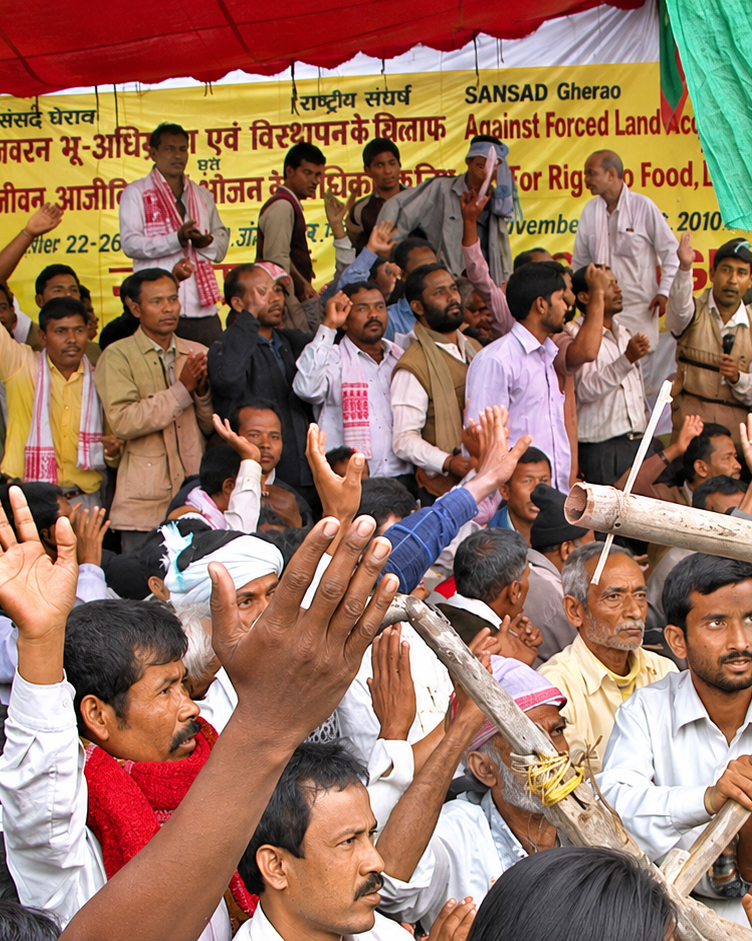
Their speeches and songs carry displacement into the national political space, reminding the series that dispossession generates not only loss but languages of collective claim-making.
-
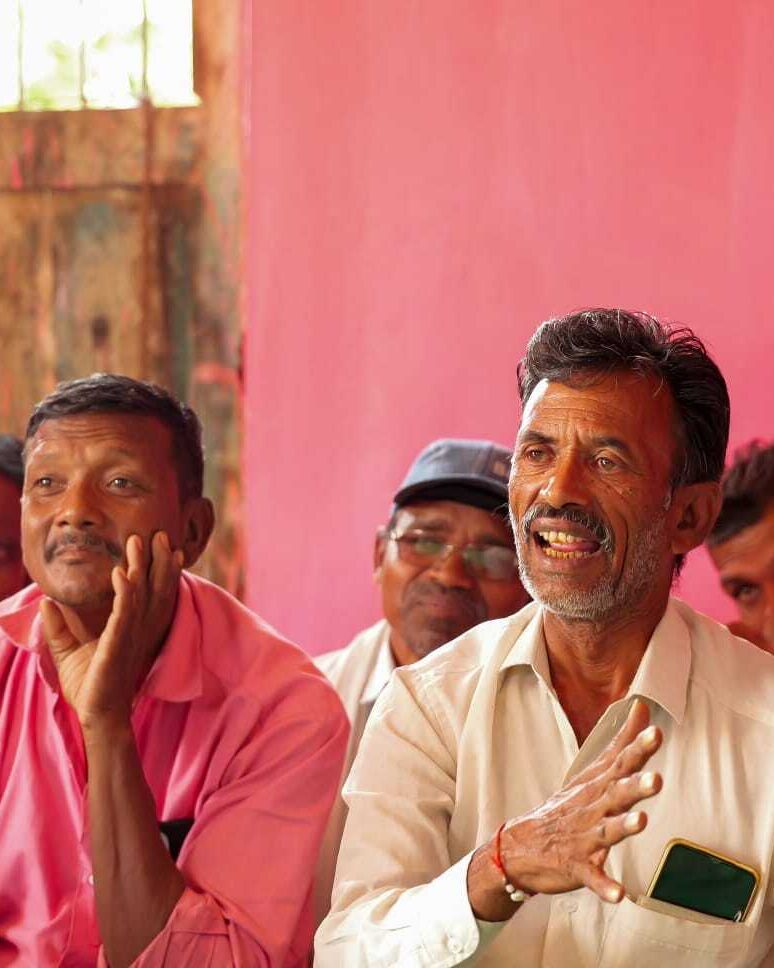

Their histories bring cultivation and contested occupation into the conservation landscape, where long-standing use of land can collide with the categories through which forests are administered.
-
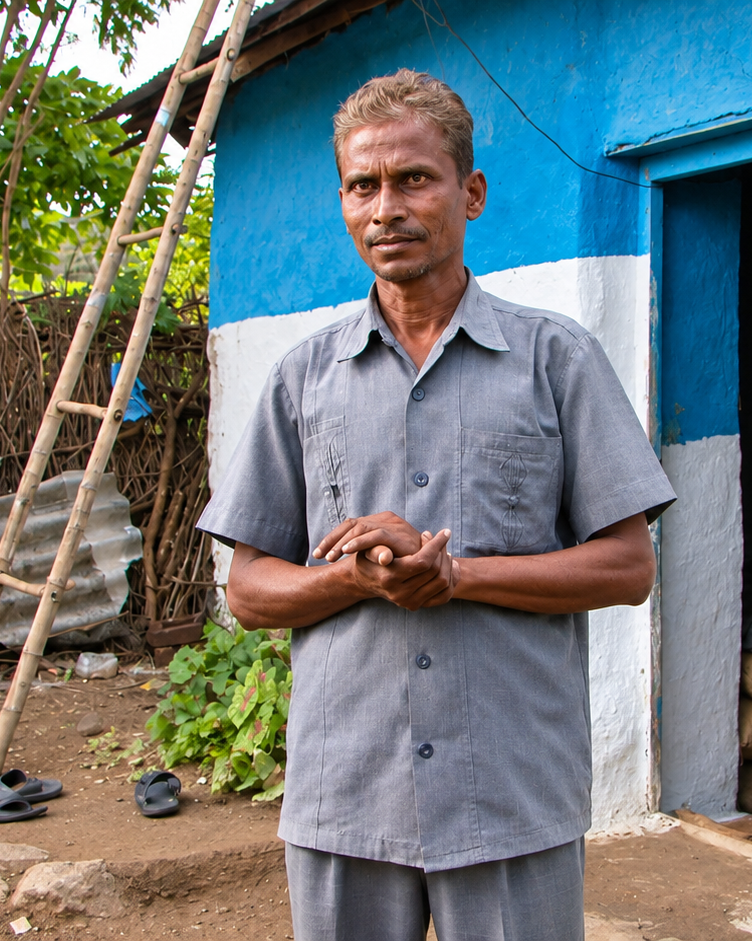
Their lives place the agrarian crisis within its most ordinary terrain: cultivation, debt, price, drought, aspiration and the changing viability of remaining a farmer.
-
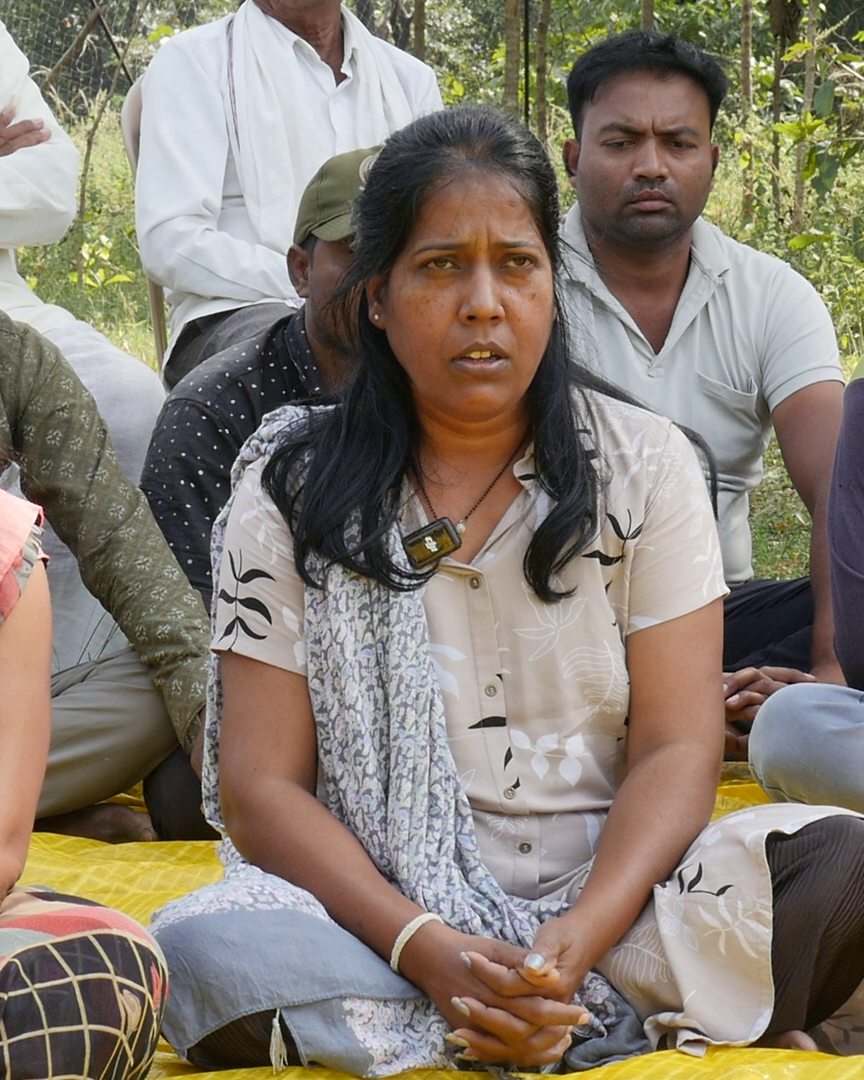
Farmers · Resettled forest communities
From villages such as Chikna-Tukum to Kolsa to resettlements such as Jamni, their experience exposes conservation itself as a force capable of reorganising territory, livelihood and belonging.
-
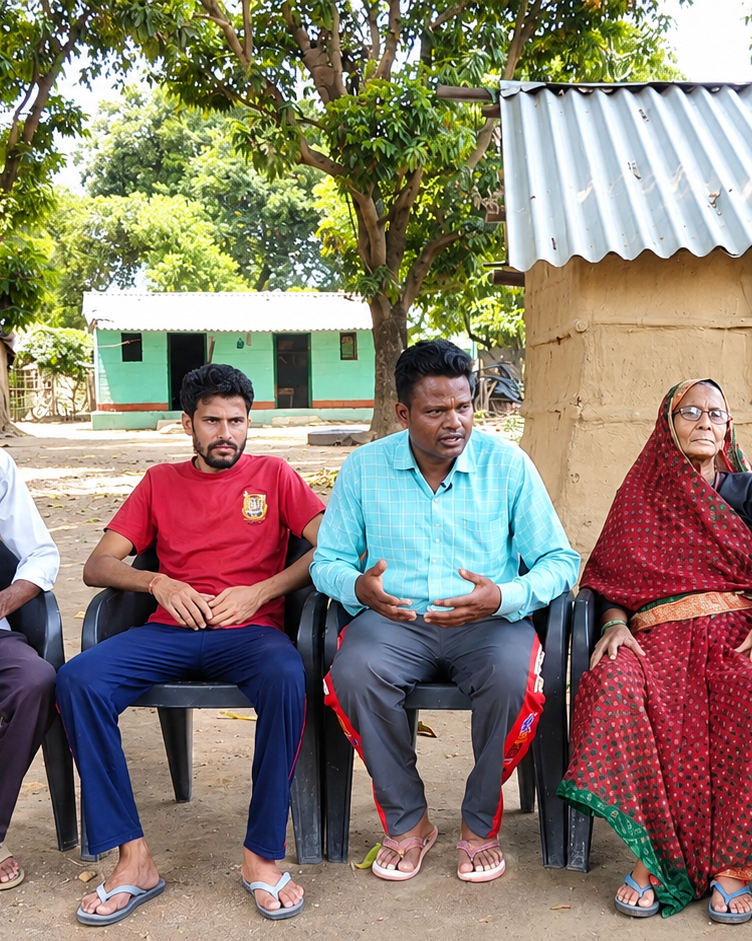
Forest communities · Pastoralists · Farmers · Workers
Across the Corbett landscape, these settlements show that a forest is never only wildlife habitat. It is also home, route, livelihood, school, memory and political territory.
Direction, Production & Creative Team
India Bhimraya has grown through a long collaboration between research and cinema, field relationships and technical craft. Direction, editing, sound, translation, cartography and visual creation have entered the project at different moments, as the archive itself expanded. These are the people responsible for carrying that material from lived encounter to finished film.
-

Director · Writer · Producer · Secretary, L’Atelier Bhimraya
Sociologist and anthropologist at the University of Tours, Joël initiated India Bhimraya from more than twenty years of research and field relationships in India. He directs the series and its editorial architecture, bringing together longue durée ethnography, cinema and an archive built around caste, displacement, agrarian change and social movements.
-
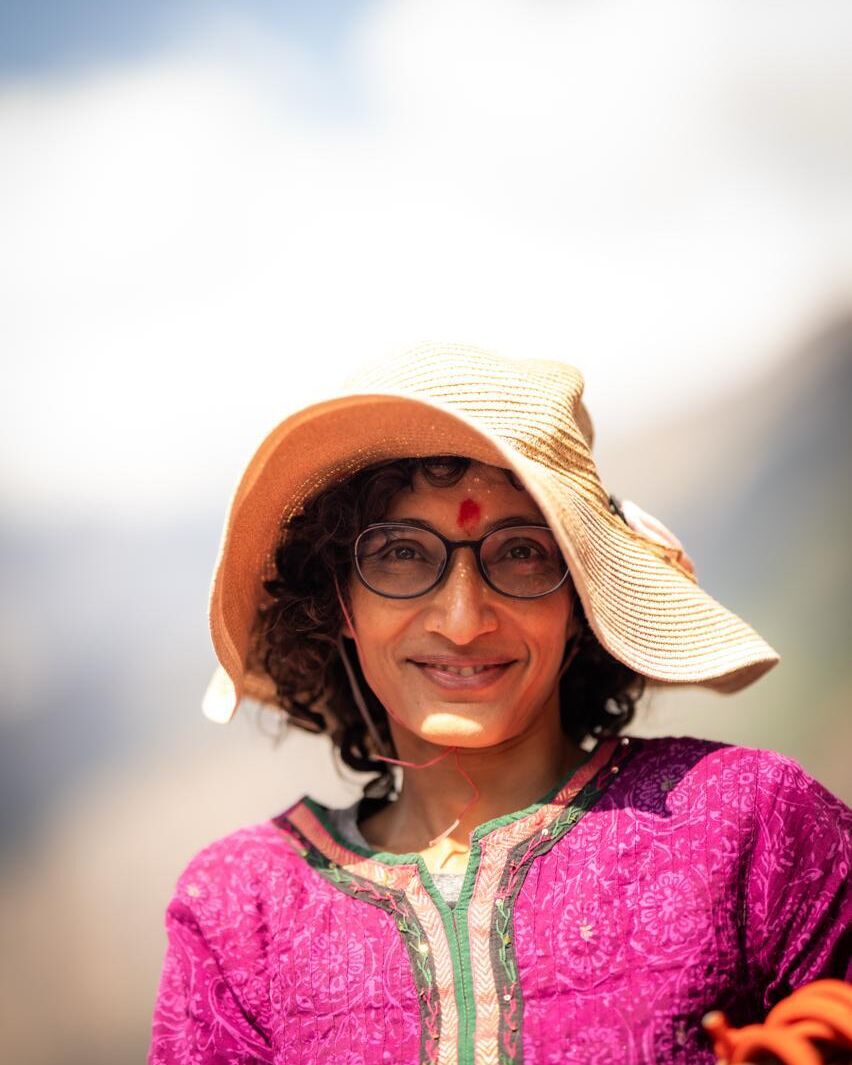

Co-director · President, L’Atelier Bhimraya
Part of the project’s field history since 2010, Mrina has accompanied its transformation from long-term research archive into a documentary series. As co-director, she works across filming, narrative construction and the intimate scale of the films, helping hold together people, relationships and stories encountered over many years.
-
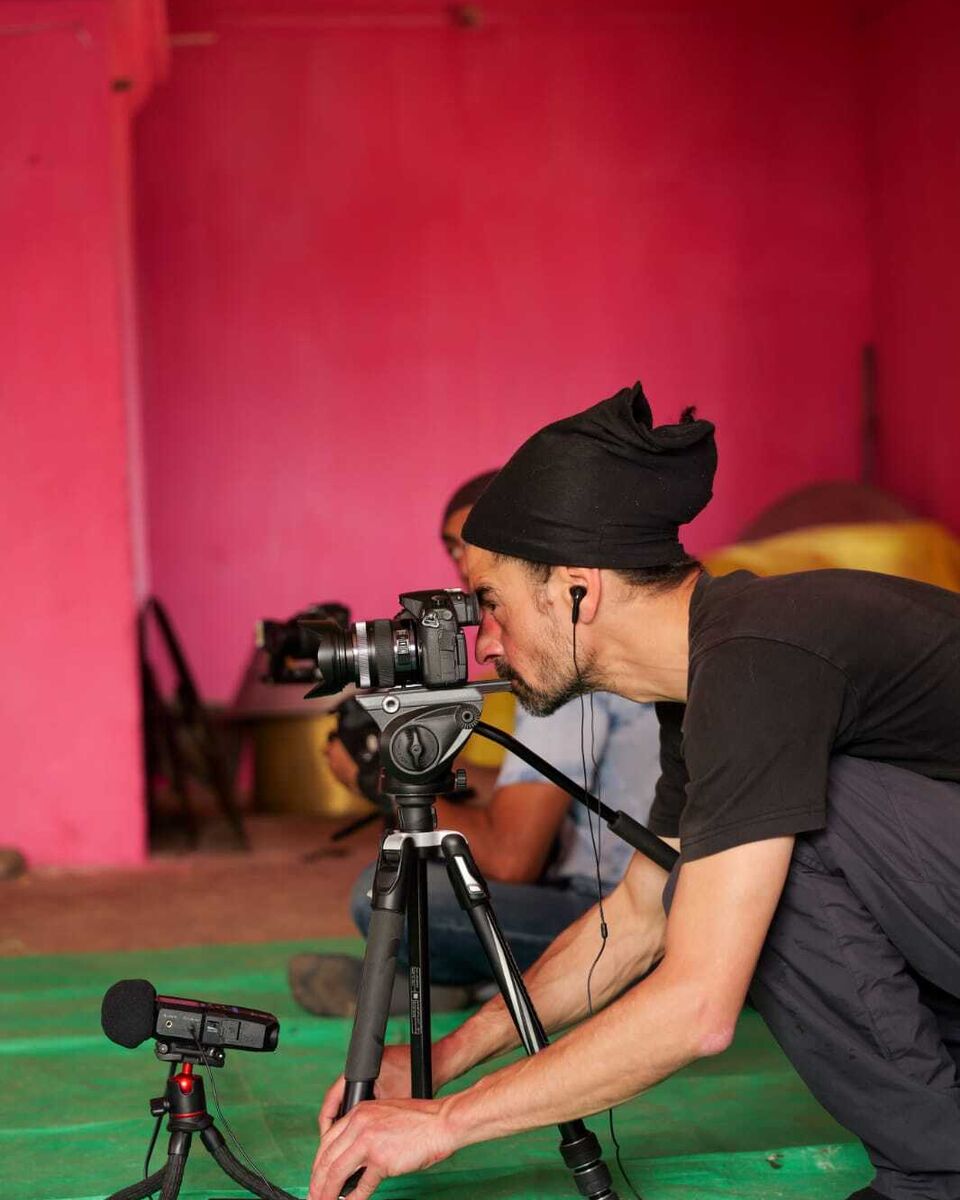
Lead Editor · Cinematographer · Photographer
Trained first in photography, Philippe came to video largely as a self-taught practitioner, developing over many years an engaged audiovisual practice across non-profit, educational and research projects. Before India Bhimraya, he spent more than fifteen years filming, editing, transmitting and producing video material, often with an emphasis on making research and collective work publicly accessible. Since joining the project in 2012, he has taken part in numerous shoots while becoming the series’ lead editor and one of its principal image-makers. Working through hundreds of hours of footage, he brings a photographer’s attention to framing and duration together with the patience of long-form editing, shaping the archive into rhythm, sequence and cinematic continuity without stripping away the density from which it emerged.
-
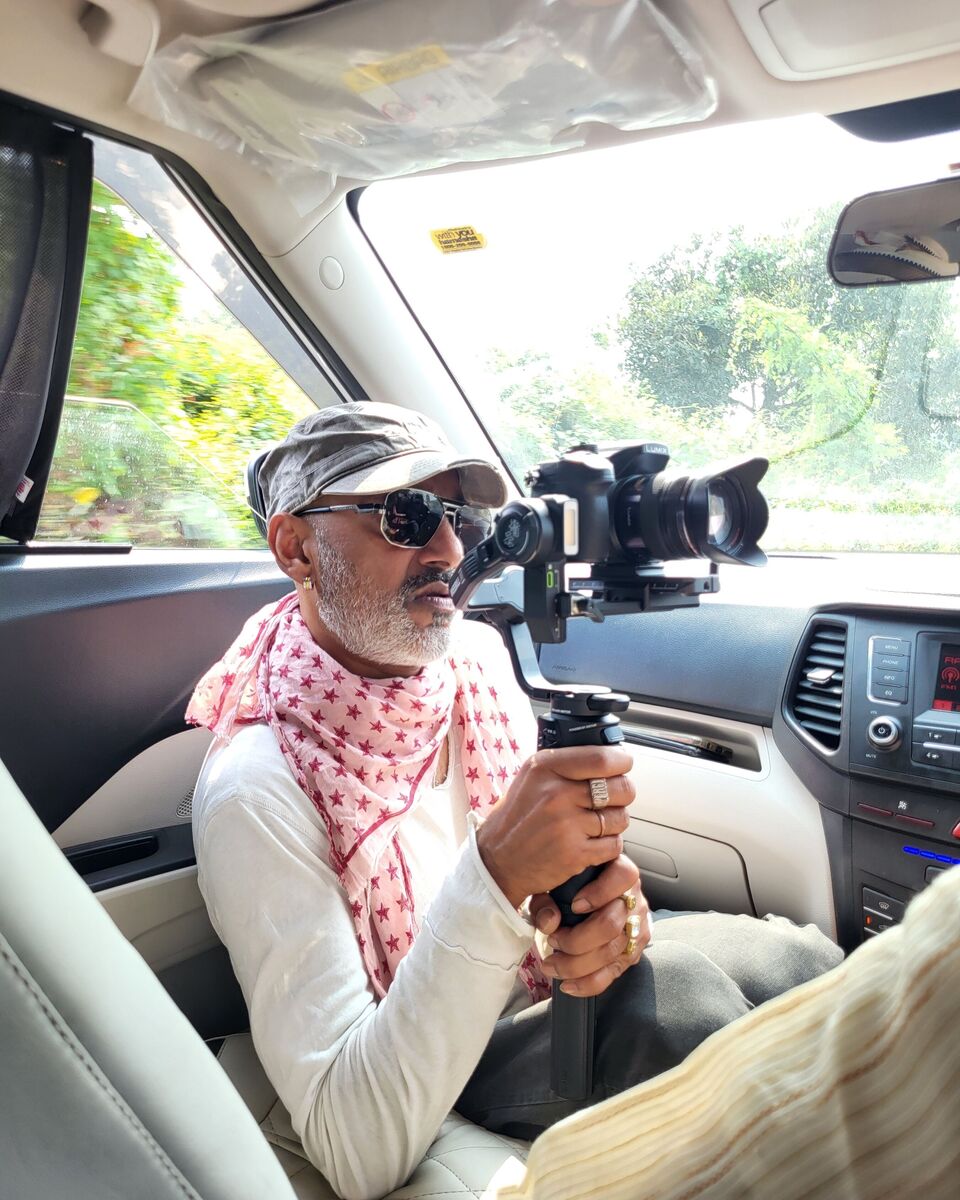
Cinematographer · Drone Pilot · Production Designer · Filmmaker
Nitin brings to India Bhimraya a particularly wide visual and technical practice, shaped by more than a decade of work across cinema, scenography, installation and production design in India and Europe. Trained in film direction, visual and set design and lighting, he has worked as filmmaker, art director and production designer for documentaries, cultural institutions and international artistic projects, while also developing his own production and design work. Within the series, his role has become increasingly central: across the major 2024–2026 shoots he has worked behind the camera, operated drones and gimbals, shaped production design and contributed to the project’s visual construction.
-


Sound Director · Musician · Anthropologist
One of the director’s earliest colleagues in Indian studies, Julien has accompanied the project from its first work on Ambedkarite music. An anthropologist specialising in North Indian classical music and ethnomusicology, he is also a guitarist, bassist, composer, arranger and studio sound engineer, working across classical, folk, pop, electronic and world-music repertoires; he is now Director of the Conservatoire Nadia et Lili Boulanger in Noisy-le-Sec. His collaboration with Joël led to the 2014 Eugène Fleischmann fellowship, research and publications on Bhim Geet, and the 2017 short film If Bhim Were Still Alive. His early Ambhora recordings—particularly Parmeshwar’s songs—helped make sound an archive in its own right. He now oversees the series’ sonic work, from field recording and musical research to sound design and the final mix.
-
Voice-over · Field collaborator · Second-generation witness
The youngest son of the family, Vinod speaks from the generation that inherited both Ambhora’s memories and the transformations brought by displacement. His voice-over links family history to social change, carrying the series between what his parents lived and what their children continue to reinterpret and rebuild.
-
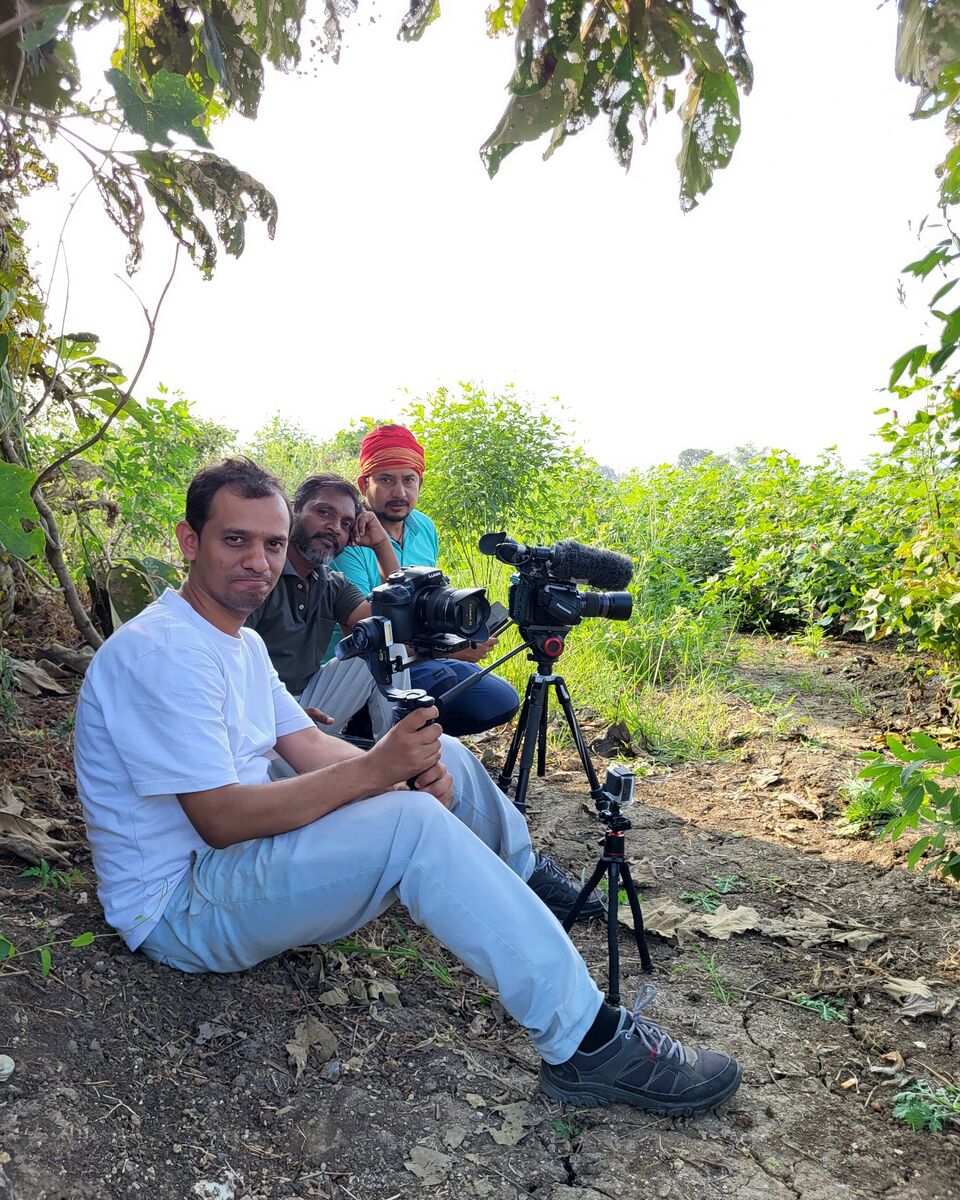
Research Associate · Sociologist · Language & Dialogue Consultant
Mayur joined the project through a shared ANR-funded research programme and has since become a close collaborator across both research and documentary work. A sociologist working in Marathi, Hindi and English, his research centres on caste, social inequality and the political history of anti-caste movements in Maharashtra. With Joël Cabalion, he co-authored the 2025 Contemporary South Asia article “Marriage, Caste, and Involuntary Bachelorhood in Vidarbha, Maharashtra,” developed from their joint work in the region. Within India Bhimraya, he contributes to research, interviews, transcription and linguistic interpretation, helping preserve the social precision of local vocabulary, caste references and political speech as field material moves towards editing and subtitles.
-
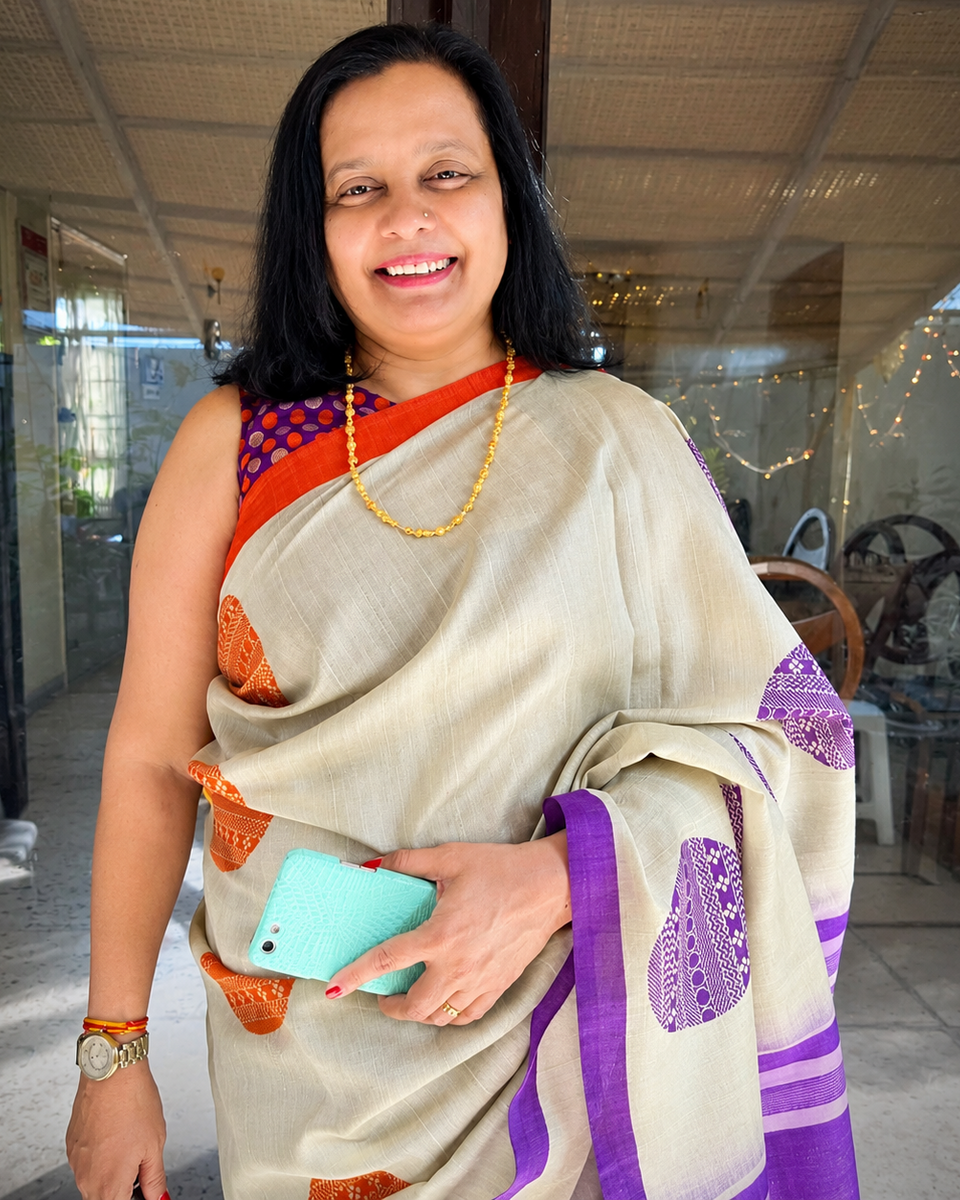
Language Consultant · Translator · Editor
Vidya has long been one of the director’s most trusted guides into Marathi language, literature and idiom. Their collaboration extends well beyond India Bhimraya, including an ongoing project to translate Sane Guruji’s Shyamchi Aai into French and a range of other work centred on Marathi texts, voices and cultural worlds. Within the series, she works closely on translation, revision and subtitles, attending not only to literal meaning but to register, rhythm, social nuance and historical resonance. Her contribution is crucial to a project in which language is never merely a vehicle for speech, but part of the archive itself.
-
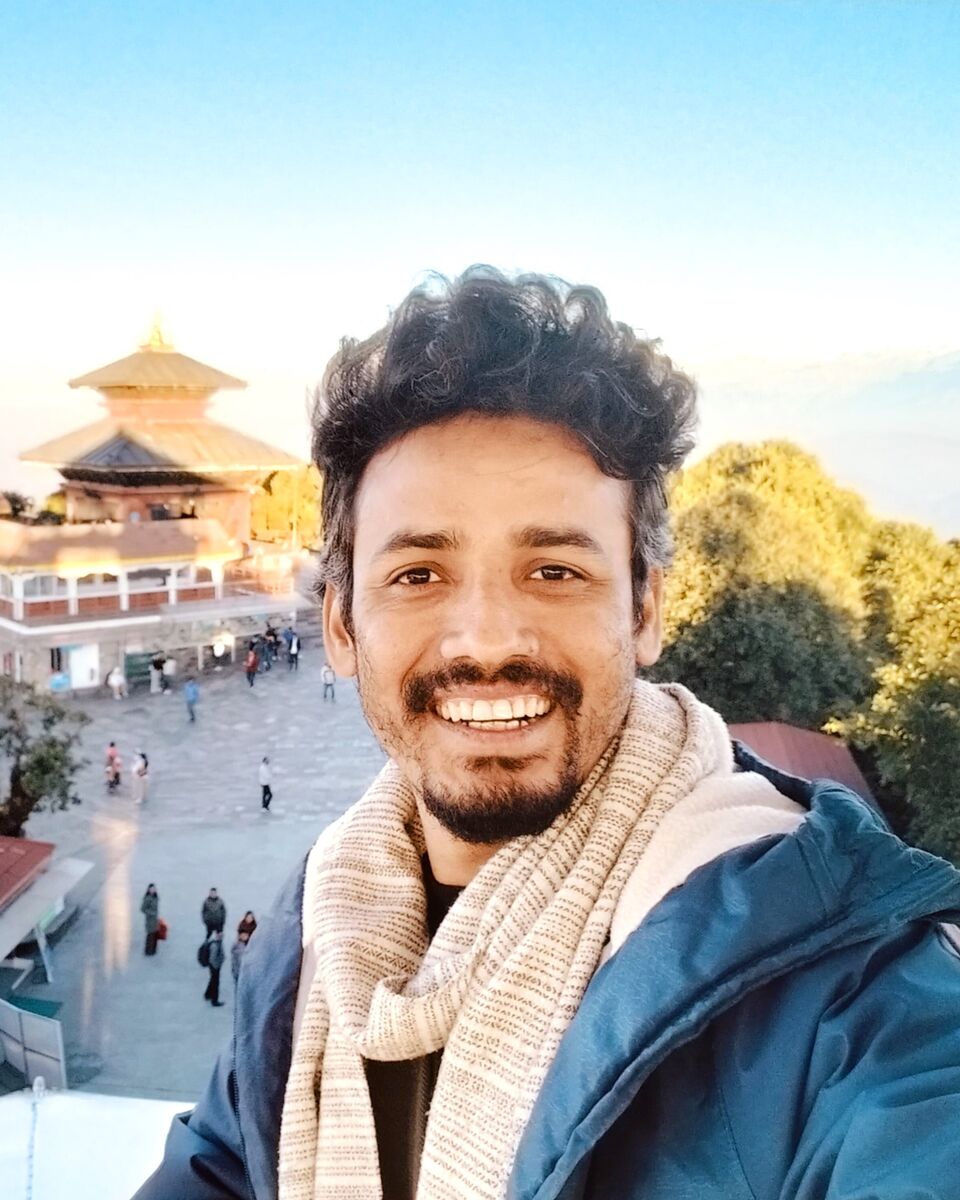
Cartographer · Spatial Geographer · Research Fellow, National Institute of Urban Affairs
A geographer and research colleague of the director, Nawaj brings to India Bhimraya a strong command of spatial analysis, cartography and territorial change. Their collaboration developed through a shared ANR-funded research project before extending into the documentary work. Now a Research Fellow at the Center for Urbanization and Economic Growth at the National Institute of Urban Affairs, he reconstructs the spatial worlds through which the series moves—submerged villages, resettlement sites, irrigation systems, forest frontiers and regional trajectories. His maps make visible not only where events take place, but how displacement, infrastructure and environmental change reorganise territory, memory and social relations.
-
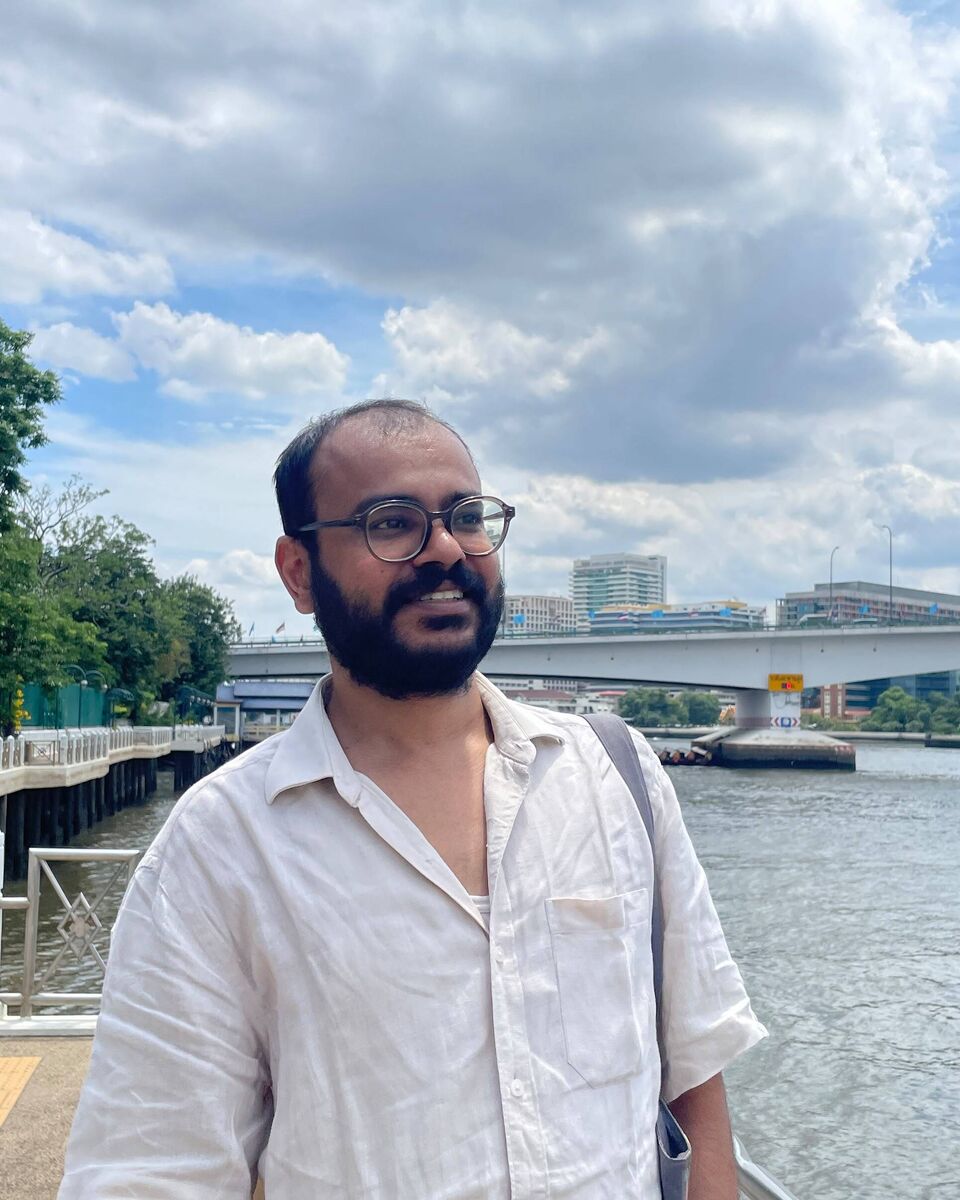
Visual Artist · Writer · Graphic Storyteller
Siddhesh Gautam joins India Bhimraya as a major artistic collaborator. He is creating seven original visual works for the project: one overarching artwork for the series as a whole, and one dedicated artwork for each of its six films. These works will form a coherent visual cycle across the series and will also inform the project’s broader visual identity and its presentation online, in dialogue with the web design team. A multidisciplinary artist, designer, writer, poet and Ambedkarite, Siddhesh has developed a distinctive visual language rooted in anti-caste thought, memory and political imagination. Working across drawing, text and graphic narrative, his practice brings histories of the anti-caste movement into dialogue with the present, while also engaging questions of climate justice, gender equality, dignity and freedom. His work often evokes Begumpura, the “land without sorrow” imagined as a world of equality and human dignity. In 2026, he published The Blue Book, an anti-caste graphic novel shaped through memory, dream and encounters with figures of anti-caste history, as well as The Day I Crossed the Ramganga.
-


Wildlife photographer · Wildlife close-up rushes · Fieldwork presence
Travelling with his brother across Maharashtra and Uttarakhand, he contributed both still photography and camera footage to India Bhimraya, documenting wildlife and forest landscapes encountered during the making of the series. His images include Bengal tigers, elephants, birds and other species inhabiting these regions. Beyond wildlife imagery, his work helps record the environments through which the series moves and the fragile relations between forests, animals and human settlements. His photographs and footage contribute especially to the project’s exploration of conservation, displacement and life along India’s forest frontiers.
-
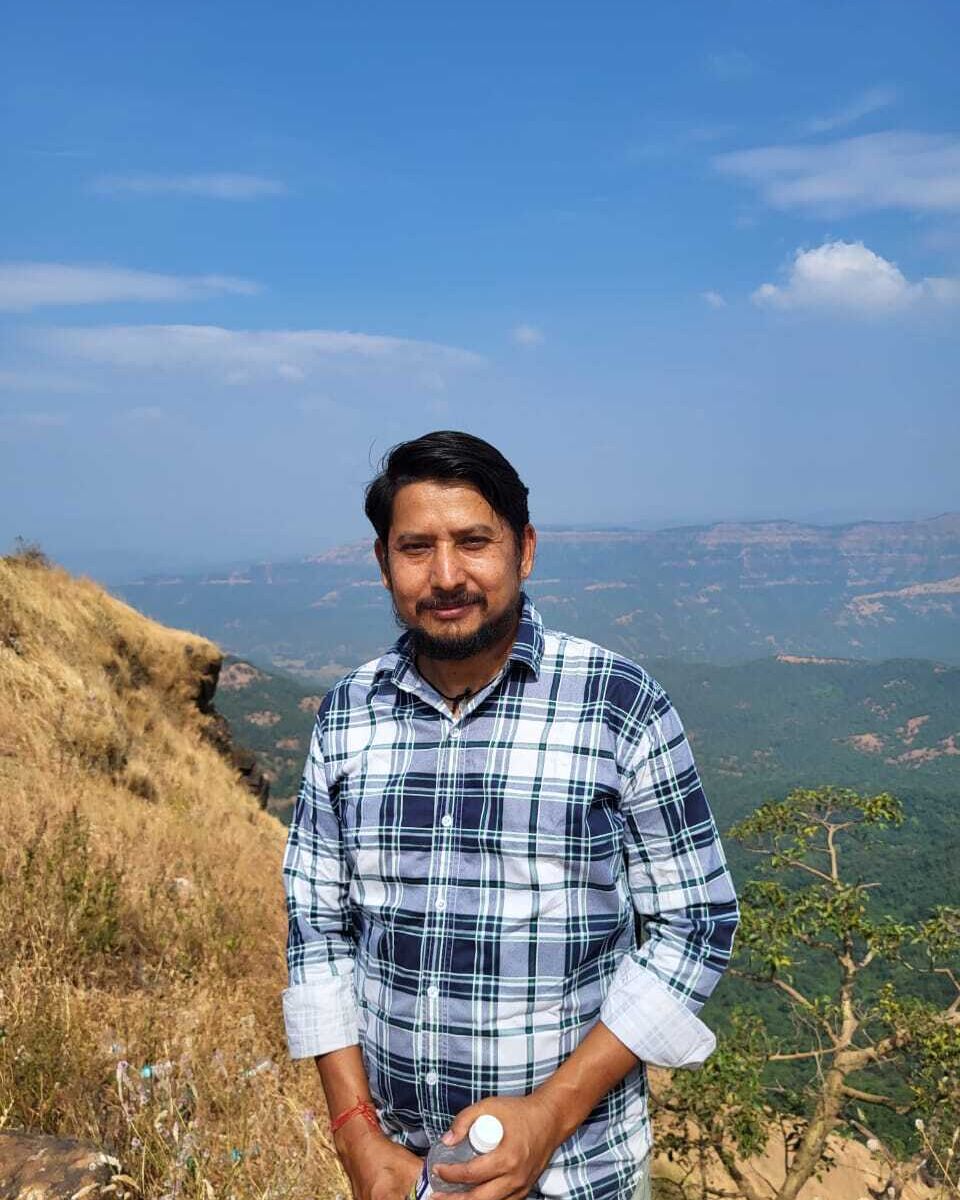
Driver · Production assistant
The driver of all places, all-weather, from seas to mountains, India Bhimraya would have not gone far without him, literally.
Advisors & Governance
India Bhimraya is accompanied by scholars and collaborators whose expertise helps test its methods, sharpen its interpretations and extend its reach across disciplines. Their advice informs the project without transferring editorial responsibility: the films remain under the direction of their filmmakers. The association, meanwhile, provides the legal and organisational structure through which the work is sustained.
-
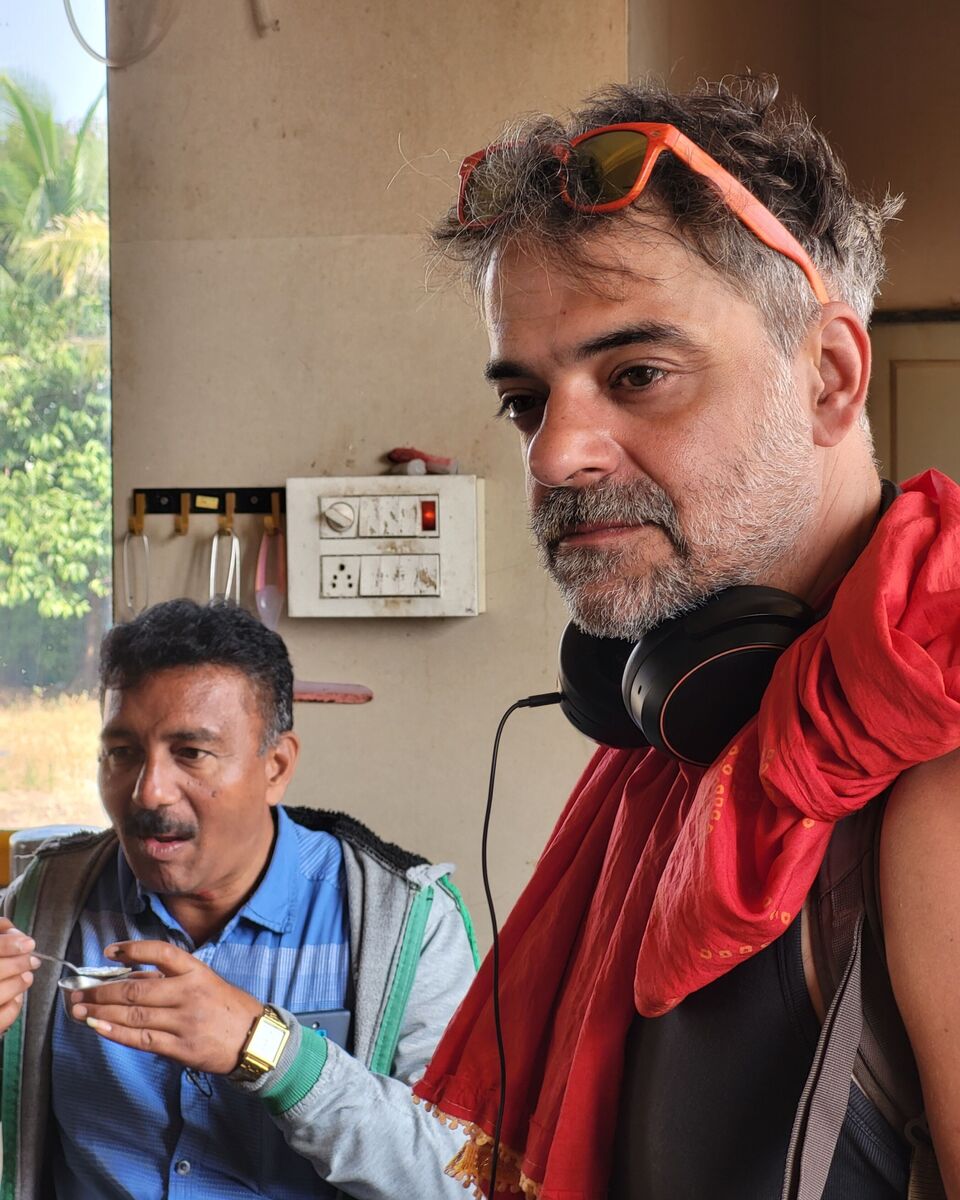
Research & Artistic Advisor · Political Scientist · Field Collaborator
Amongst the production’s oldest intellectual collaborators, Simon has accompanied India Bhimraya from within its making rather than from the margins. Since 2010, he has travelled repeatedly with the team across South Asia, joining at least six major field journeys. His contribution has ranged from sound recording and observation to more than two hundred artistic sketches made along the way, as well as sustained work on writing, rewriting and narrative construction with the director. Trained as a political scientist, he brings a critical eye to both the social processes being filmed and the forms through which they become cinema. His role combines research, artistic dialogue and the long companionship through which the project itself has taken shape.
-
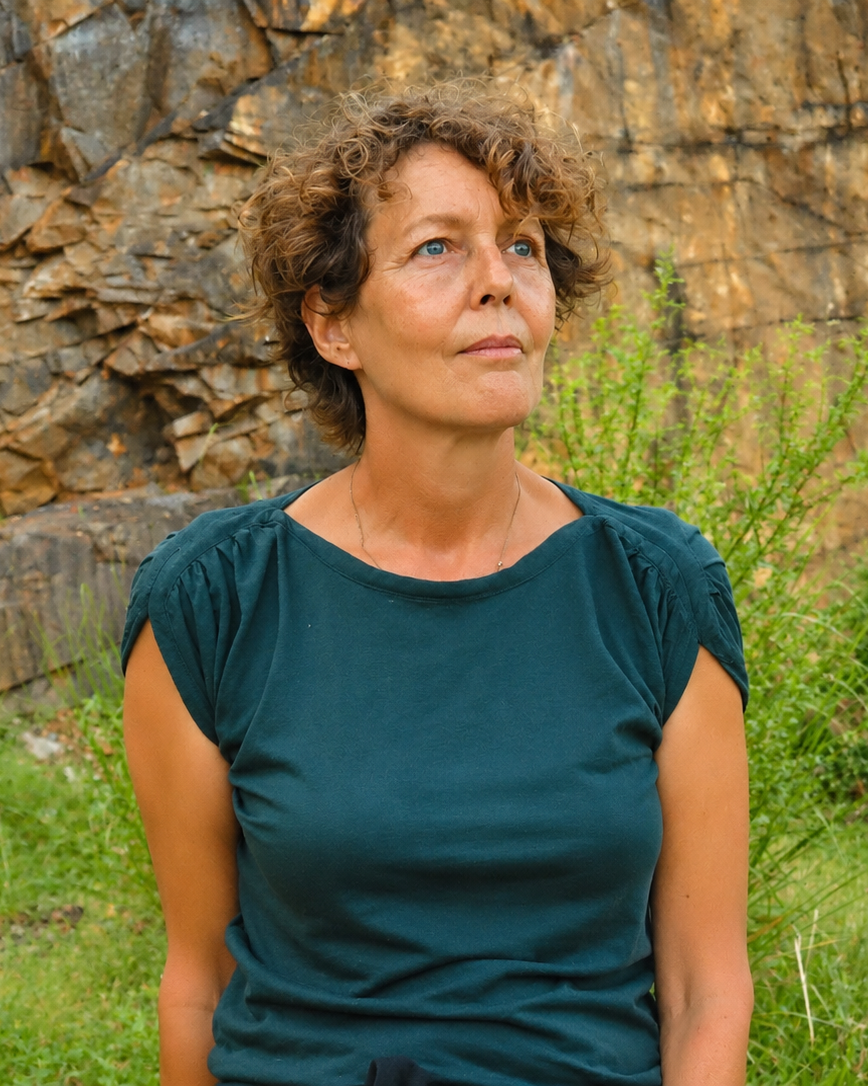
Scientific Advisor · Sociologist
A close colleague of the director, Odile has long contributed to the project’s intellectual and field environment. Professor of Sociology at Paris 8 University and former Director of the Centre de Sciences Humaines in New Delhi, she previously co-organised with him an EHESS seminar on inequalities in India, alongside Olivier Roueff, Jules Naudet and Mathieu Ferry. Their collaboration later extended to fieldwork on schooling and educational inequalities in the Mussoorie and Jaunsar region. She also co-organised the Indie Talkies documentary cycle at the Alliance Française de Delhi, bringing to India Bhimraya both sociological depth and an experienced eye for qualitative documentary work.
-

Scientific Advisor · Human Ecologist · Development Scholar
Asmita is a human ecologist and development scholar whose work has long centred on displacement, conservation, rural livelihoods and social justice. She co-edited with Joël Cabalion, Vikramaditya Thakur and Arnab Roy Chowdhury the World Development special issue “After Displacement: (Re)Settlements, People, Policies and Outcomes,” extending a shared research agenda on what follows forced relocation. She is currently Visiting Professor of Environmental Studies at Ashoka University and Associate Researcher at the Centre de Sciences Humaines in New Delhi. Her contribution to India Bhimraya is especially important where displacement, conservation, forest governance and rural livelihoods converge.
-
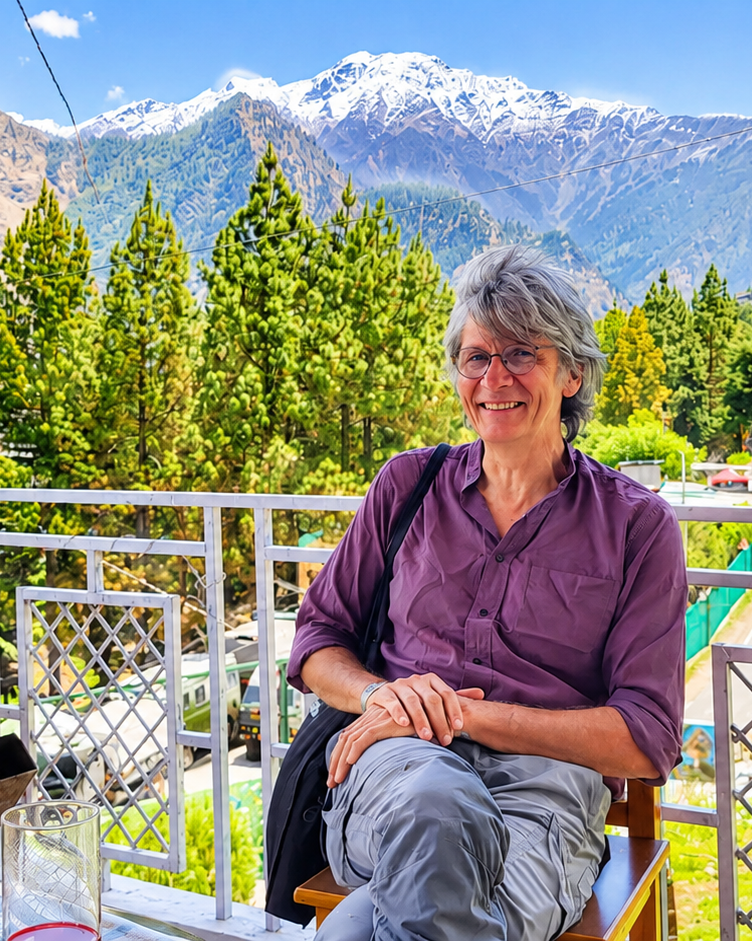
Scientific Advisor · Sound Consultant · Field Collaborator
A close colleague of the director and former president of his PhD jury, Thierry has accompanied India Bhimraya through both its research foundations and its later production phases. Research Director at CNRS, he brings long-standing expertise in spatial practices, mobility and the social production of place, but his involvement has also been directly field-based. He contributed to a major structured household survey in Naya Ambhora, assisted with sound recording and fieldwork, and has joined production journeys across India, including the May 2025 Himalayan shoot. His role moves between methodological scrutiny, empirical work and practical collaboration, helping the project think with greater precision about territory, displacement, movement, memory and the ways people inhabit landscapes transformed by infrastructure and resettlement.
Governance
L’Atelier Bhimraya gives the project its legal, financial and organisational home. Its governance is deliberately kept distinct from editorial responsibility, while ensuring that the association can support production, rights, fundraising, public events and the long-term preservation of the archive.
-

Treasurer, L’Atelier Bhimraya
As Treasurer, Burhan oversees the association’s financial stewardship and contributes to the organisational framework that allows India Bhimraya to develop beyond individual production efforts and into a durable collective structure.
L’Atelier Bhimraya – Images, archives et mouvements
The independent association carrying the production, preservation and public circulation of India Bhimraya and its archives.
India Bhimraya is an independent documentary project carried by L’Atelier Bhimraya – Images, archives et mouvements.

At this stage, the project has no institutional or commercial partners. Its production has been financed independently by its makers, with additional support sought through public crowdfunding. Should organisations later provide direct financial or production support, they will be acknowledged here accordingly.
The universities, research centres, associations and other institutions with which members of the team are professionally affiliated—or which have provided research, logistical or other forms of assistance—are not partners in the production of India Bhimraya. Where relevant, their contribution will be acknowledged in the credits of the individual films.
Professional affiliations appearing elsewhere on this website are provided solely to identify members of the team and their work. They do not imply institutional endorsement of the project.