

Six films in the making
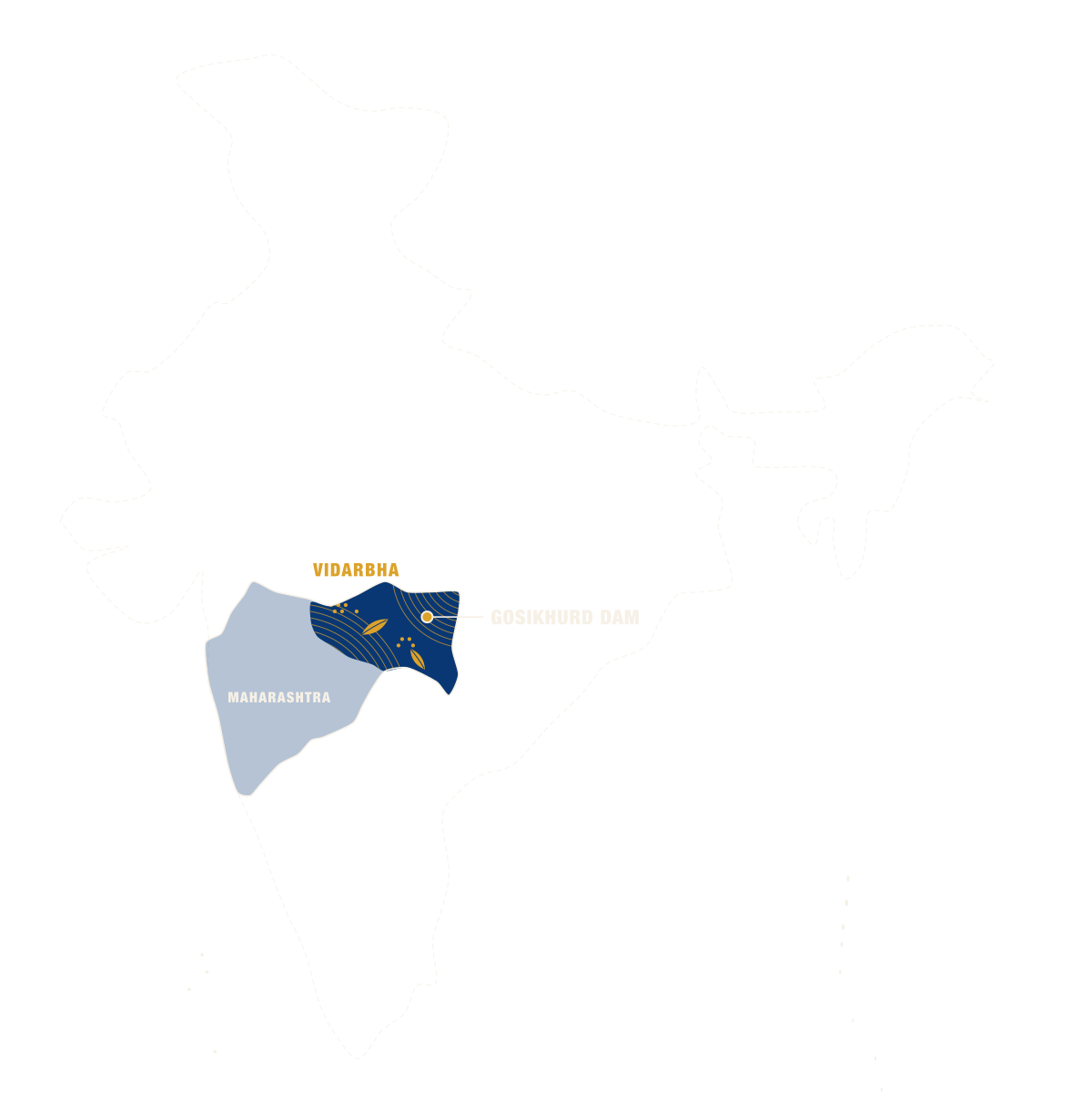
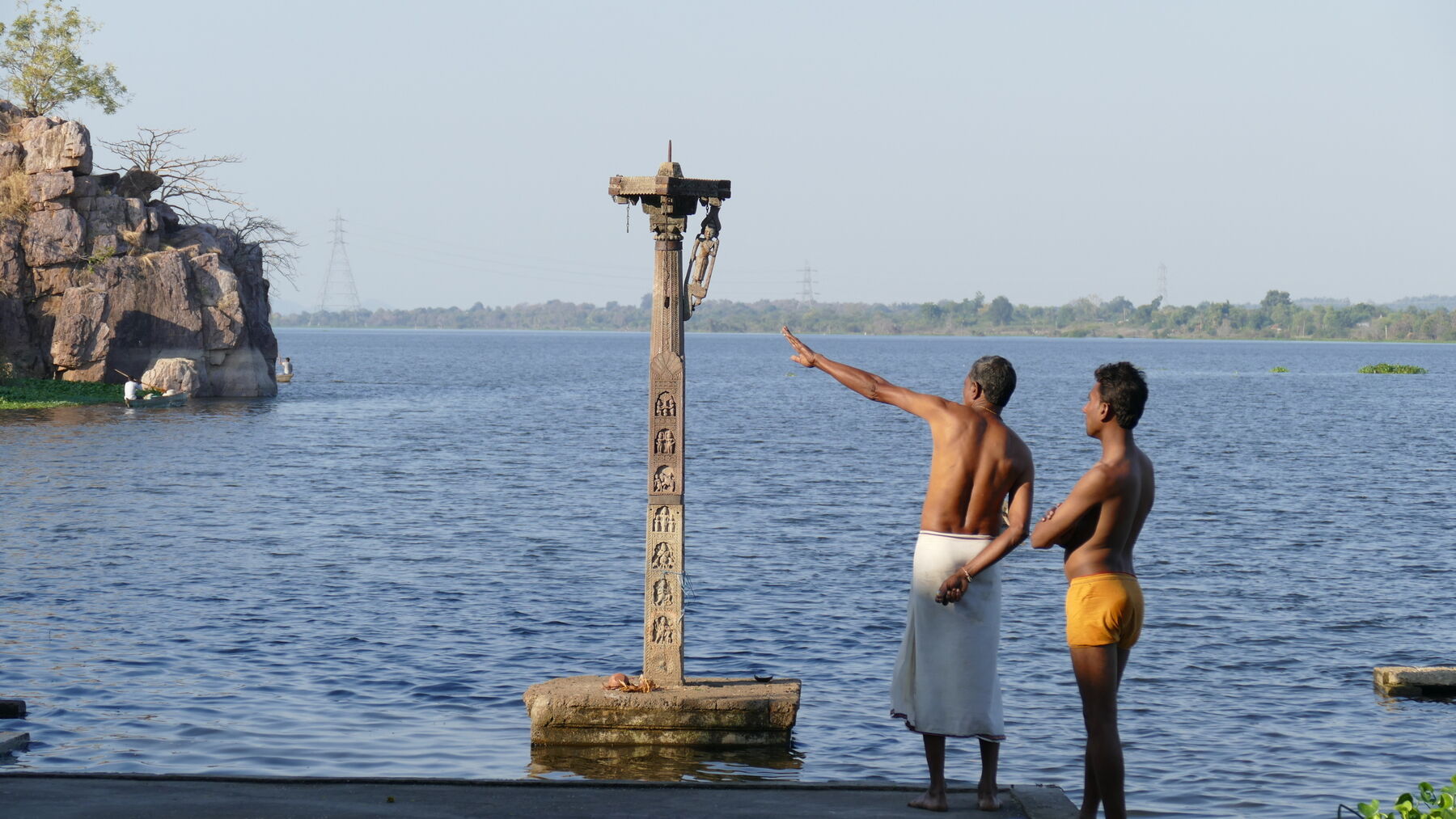
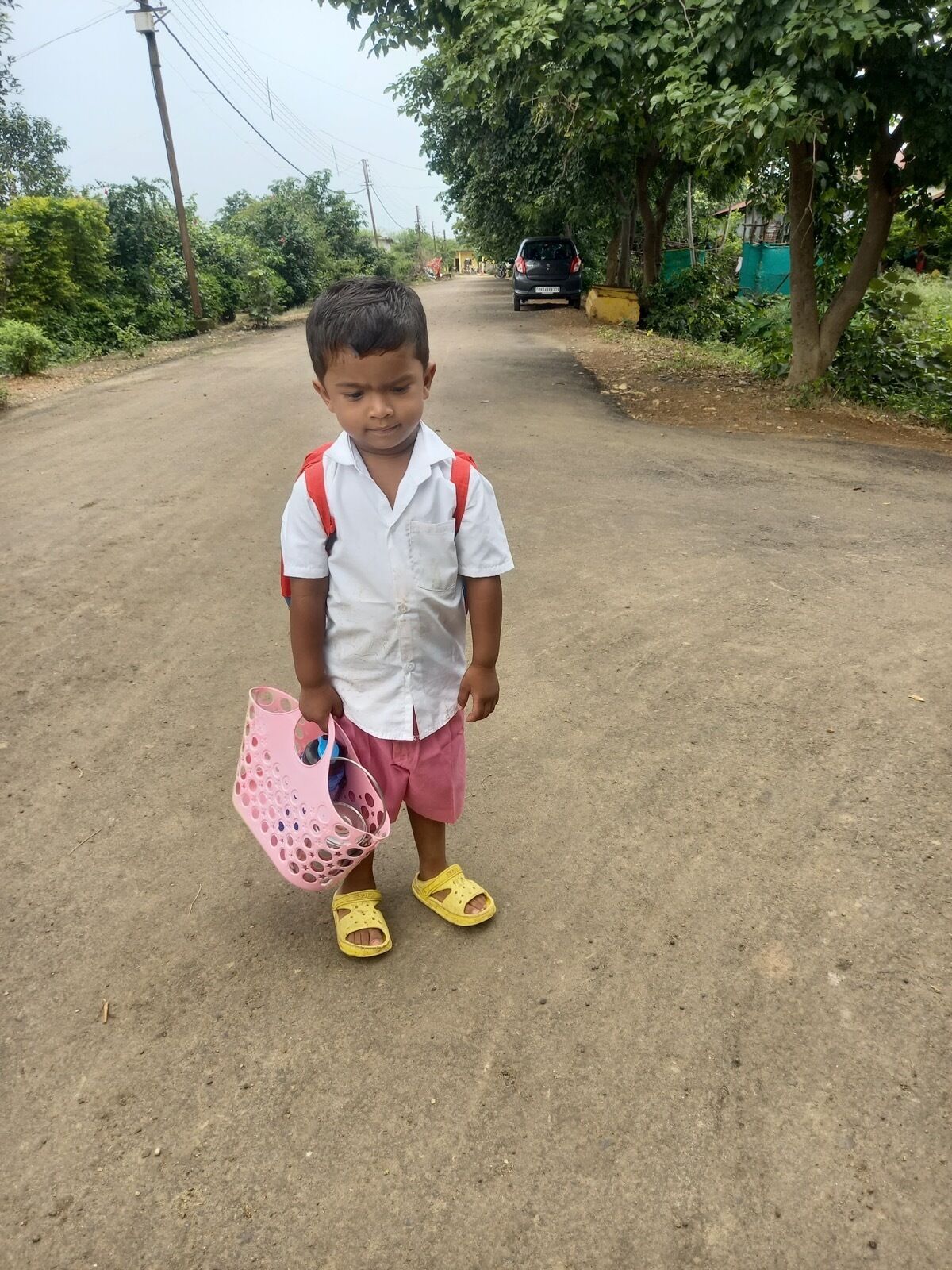
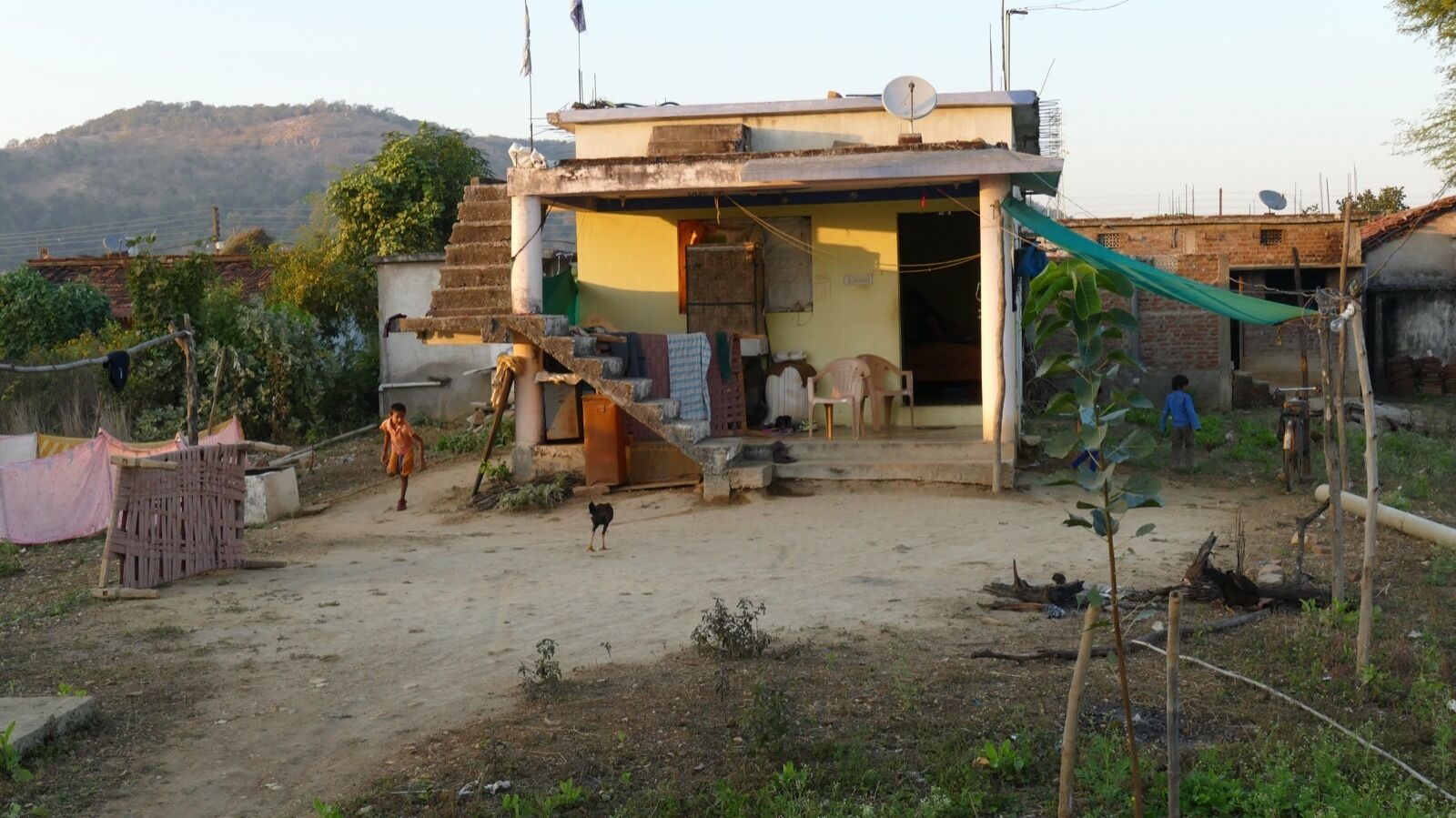
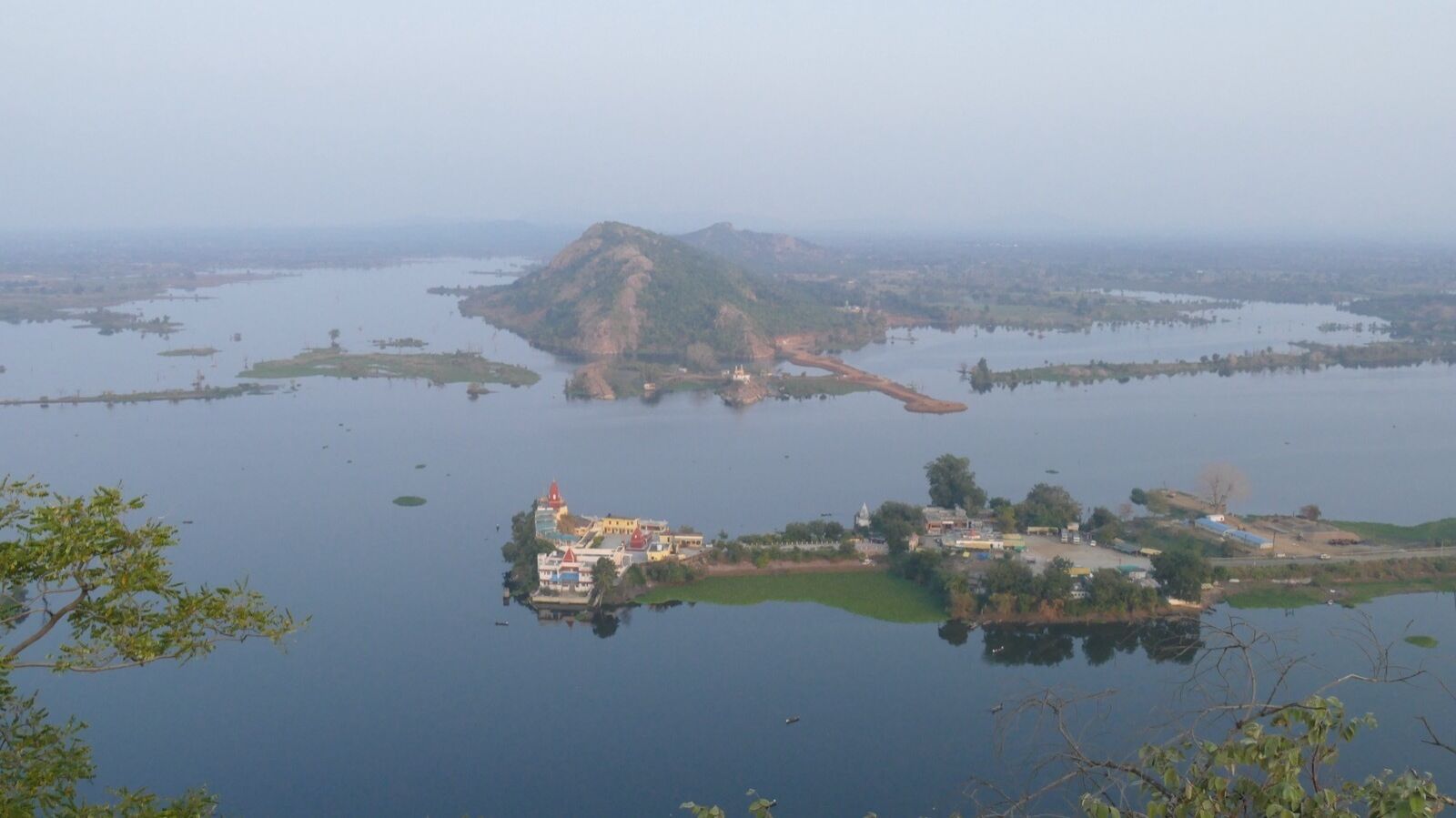
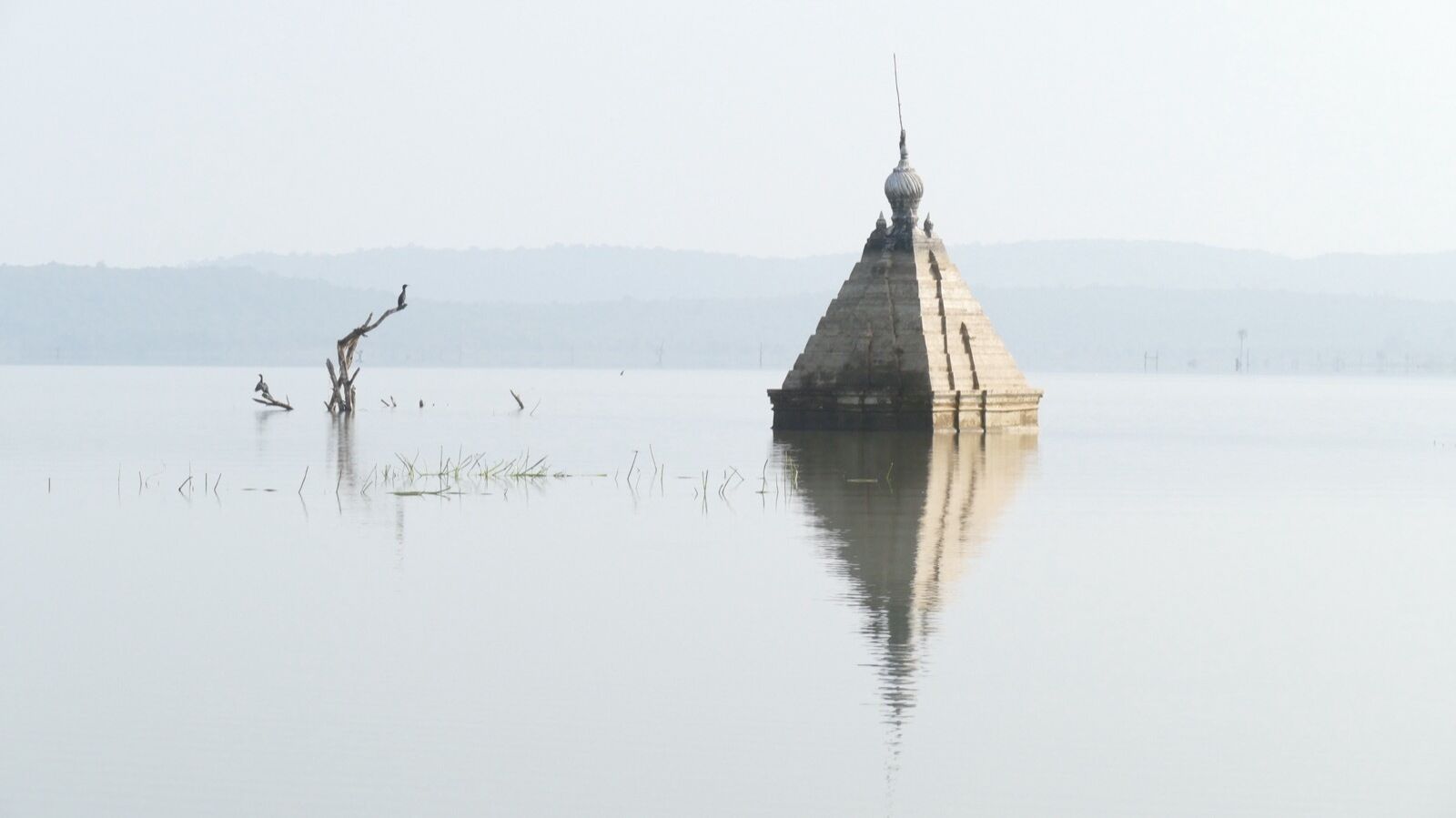
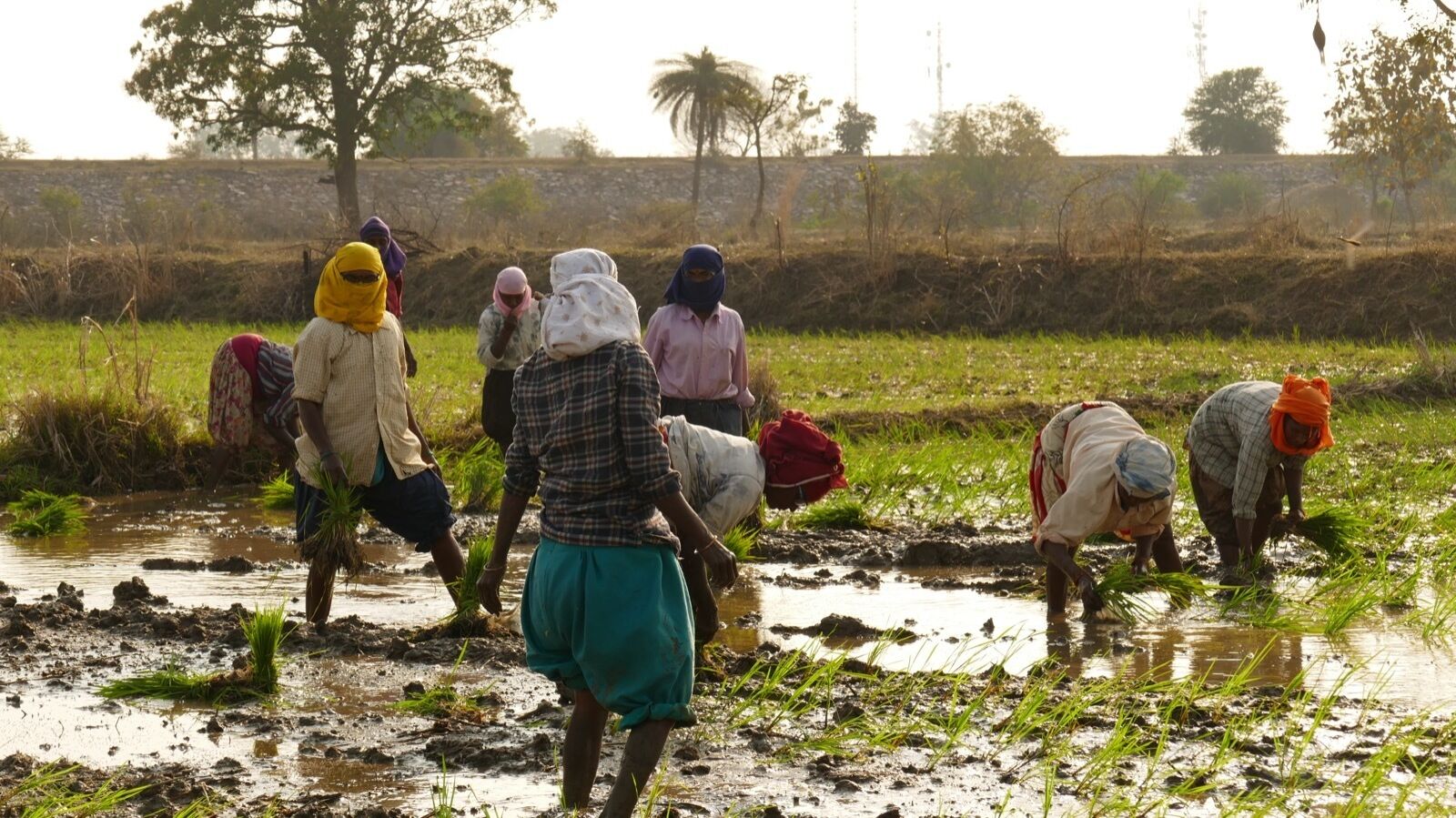
At the heart of the series is Vidarbha, Maharashtra, where families displaced by the Gosikhurd dam rebuild homes, livelihoods and social worlds in new settlements where caste and inequality endure.
- #1
Jāt
CASTE - #2
Visthāpan
Displacement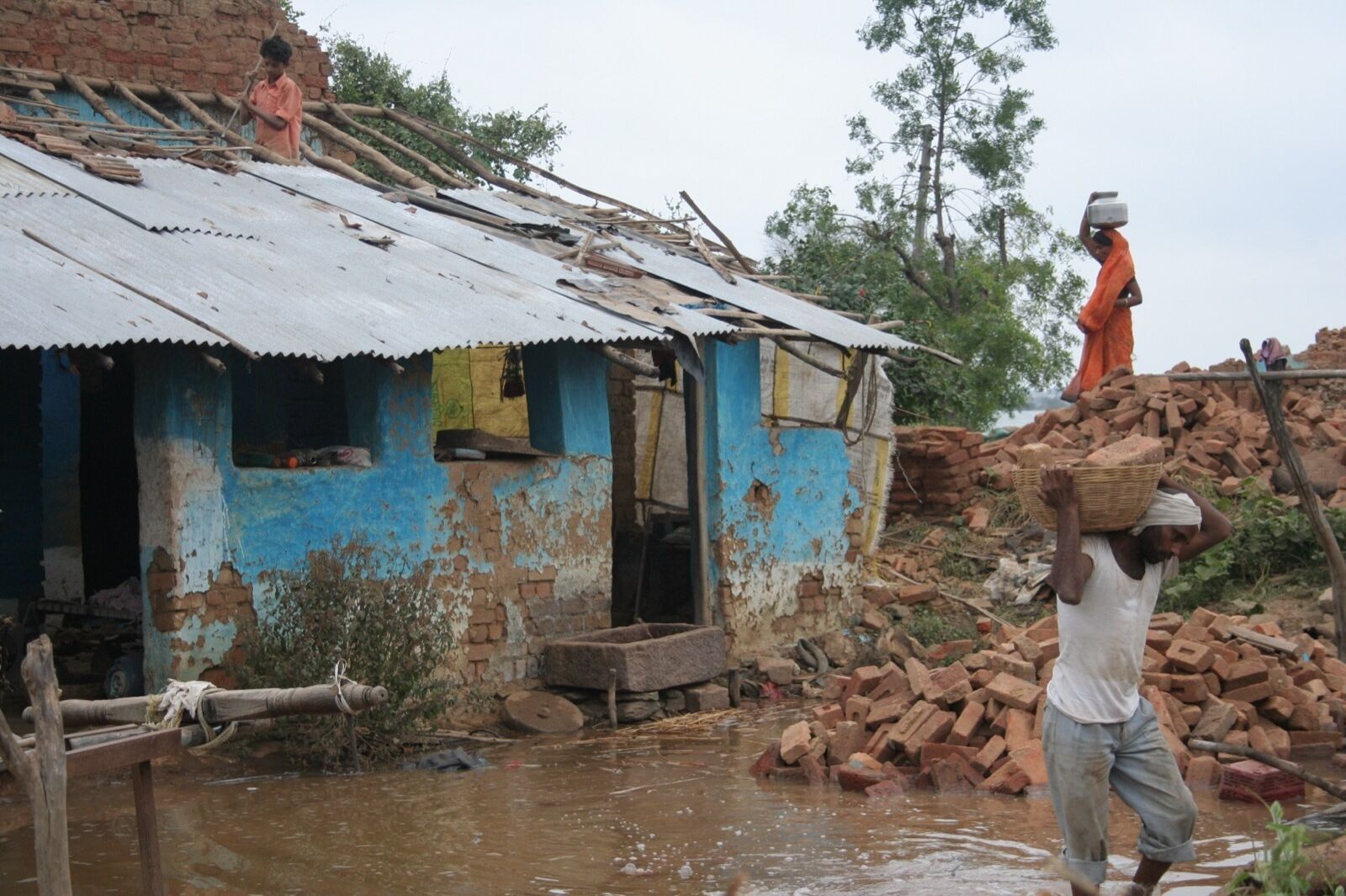

- #3
Āndolan
Movement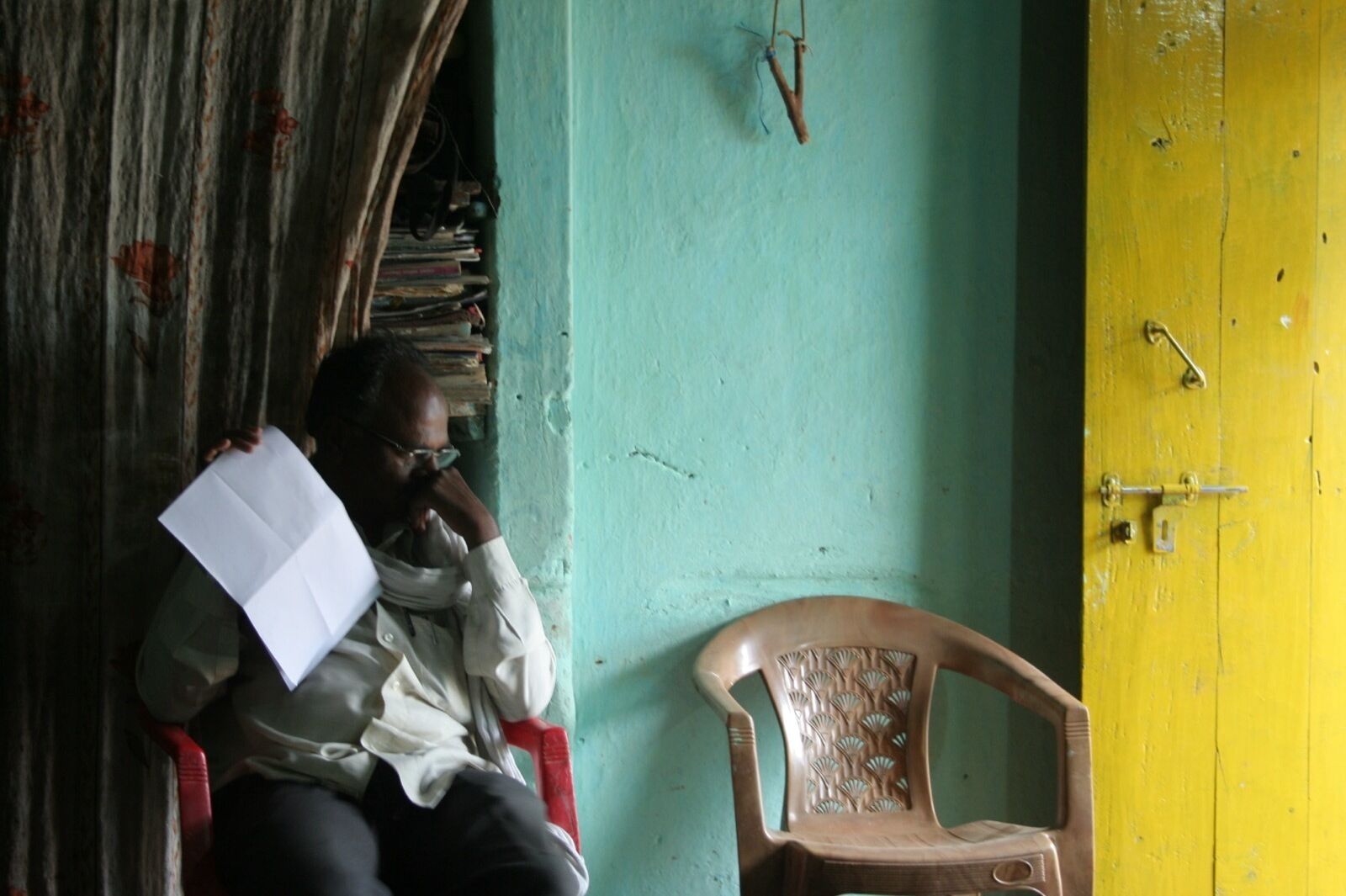
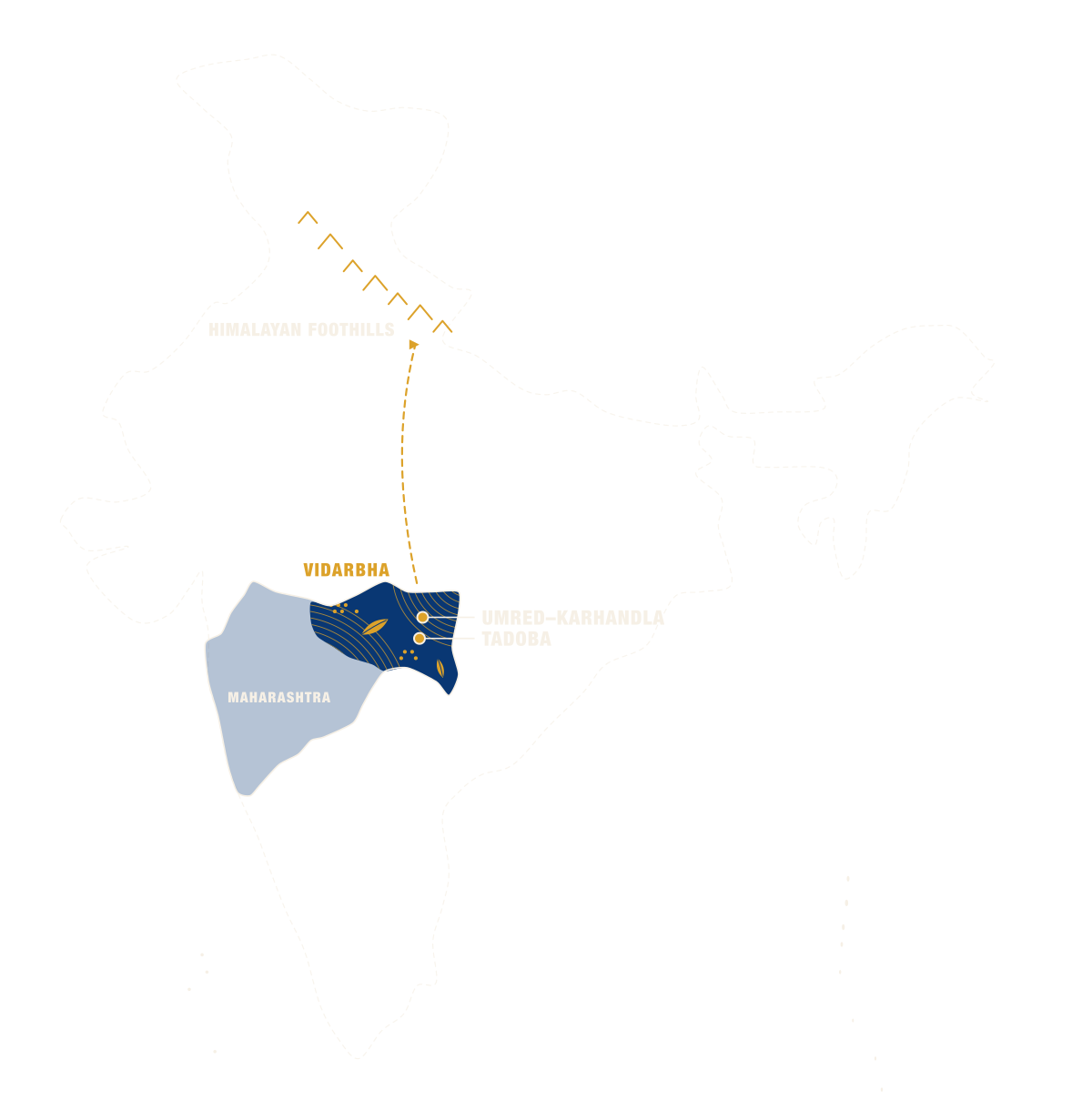
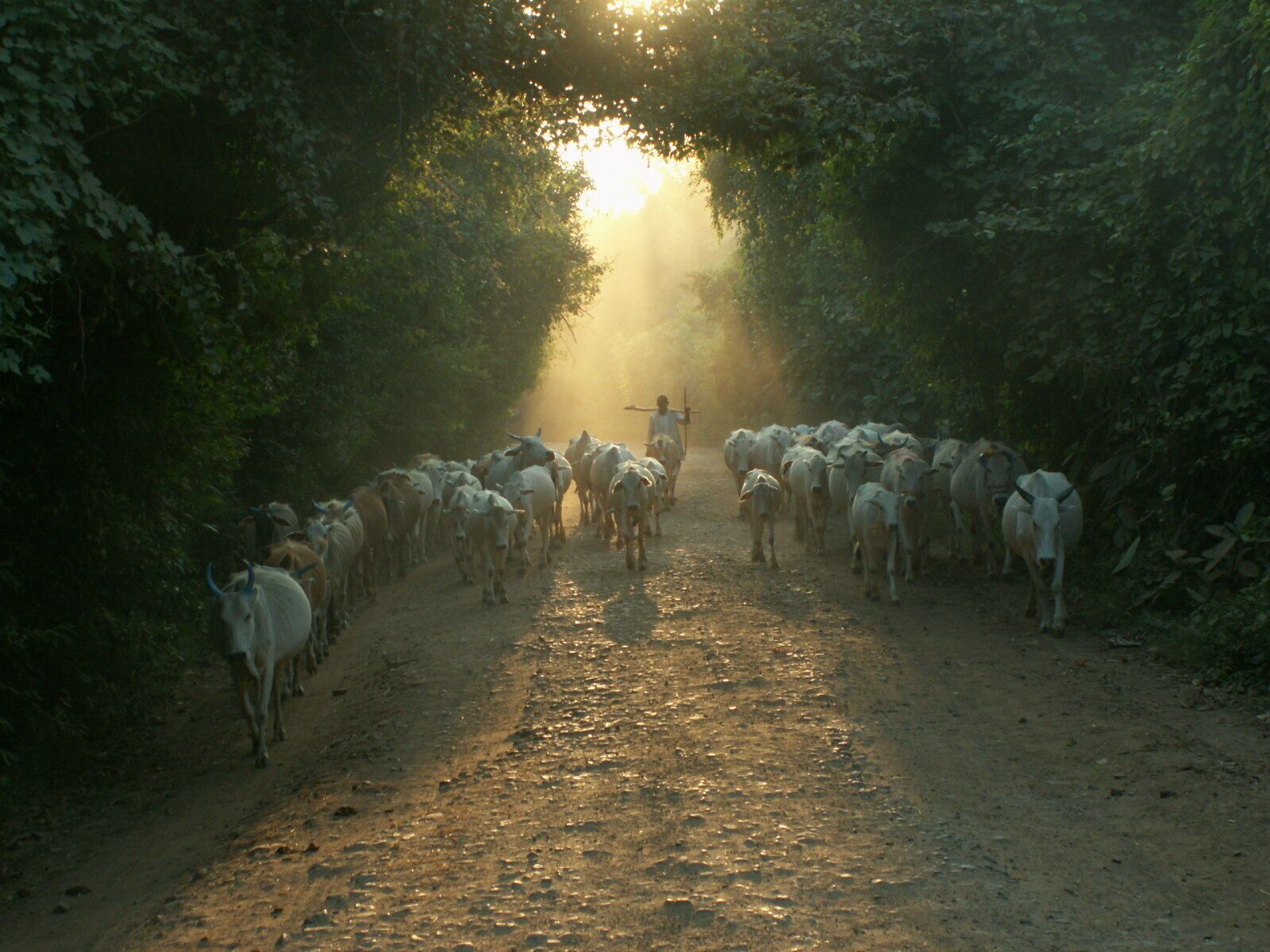
The series then moves outward to the forest and conservation frontiers of Tadoba and Umred–Karhandla, where wildlife, protected areas and forest governance reshape livelihoods and belonging, before travelling north toward the Himalayan foothills.
- #4
Dharan
Dam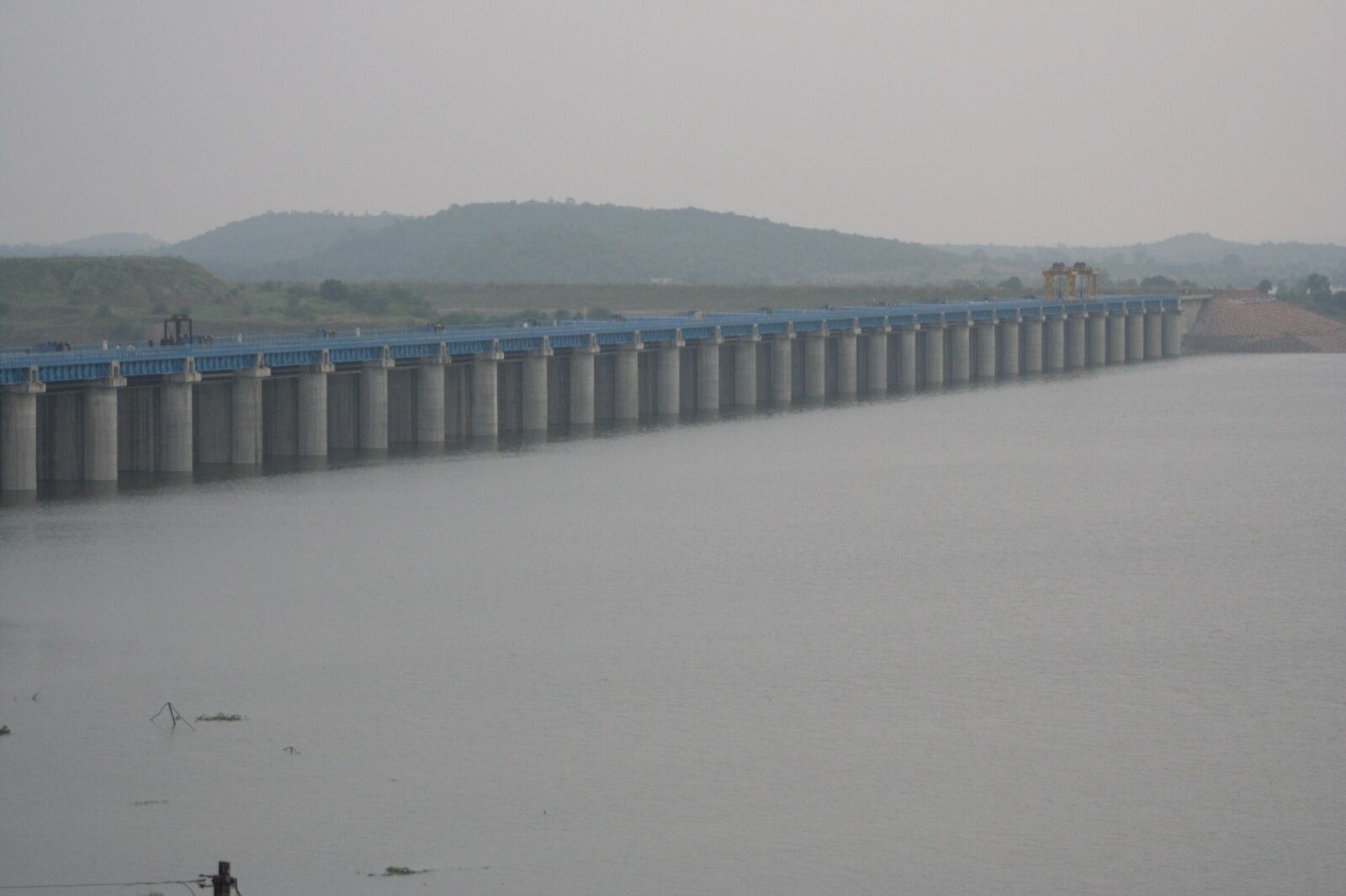
- #5
Śētakarī Kaṣṭakarī
Farmer–Labourer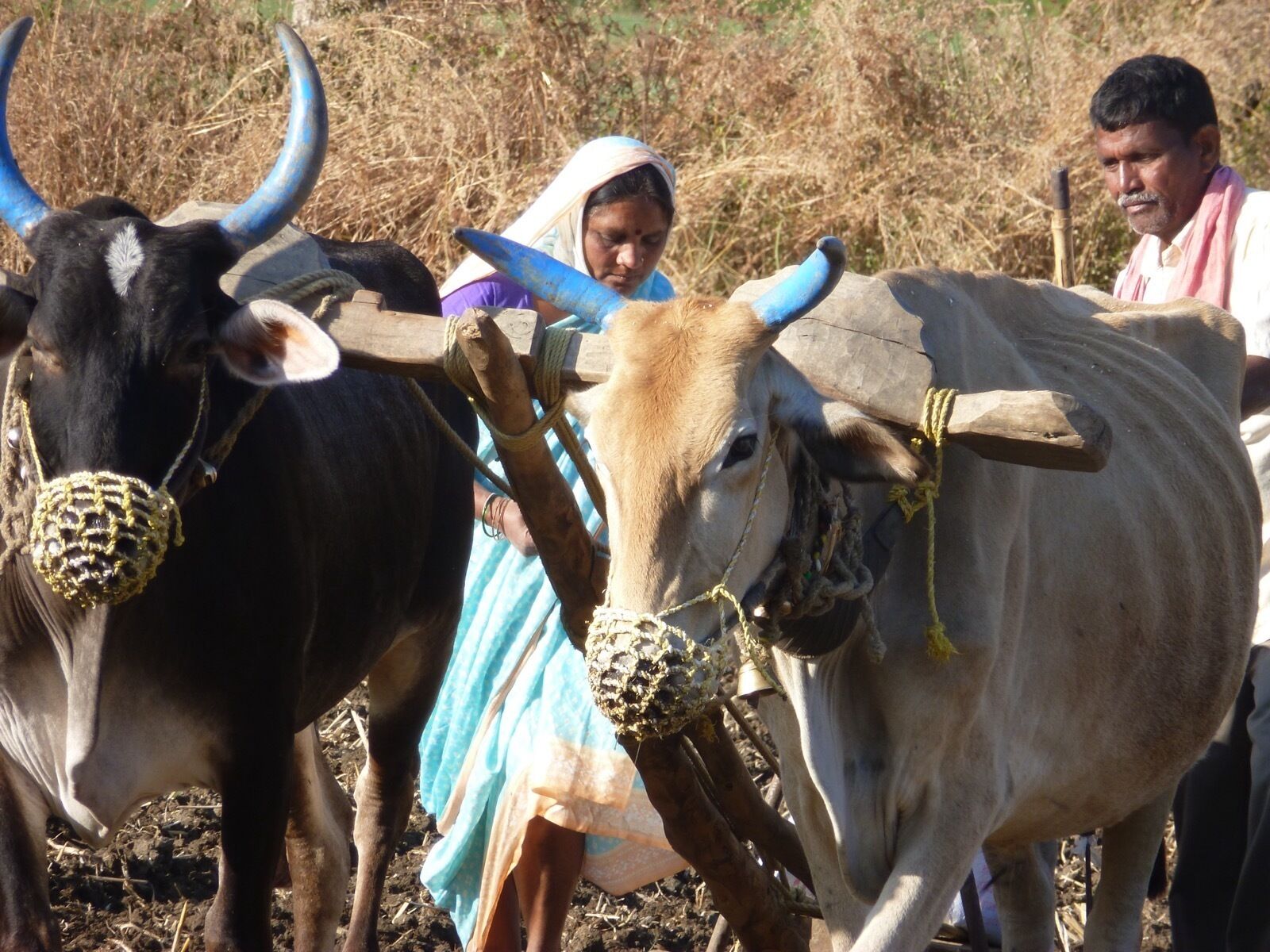

- #6
Junglāt
The forest frontier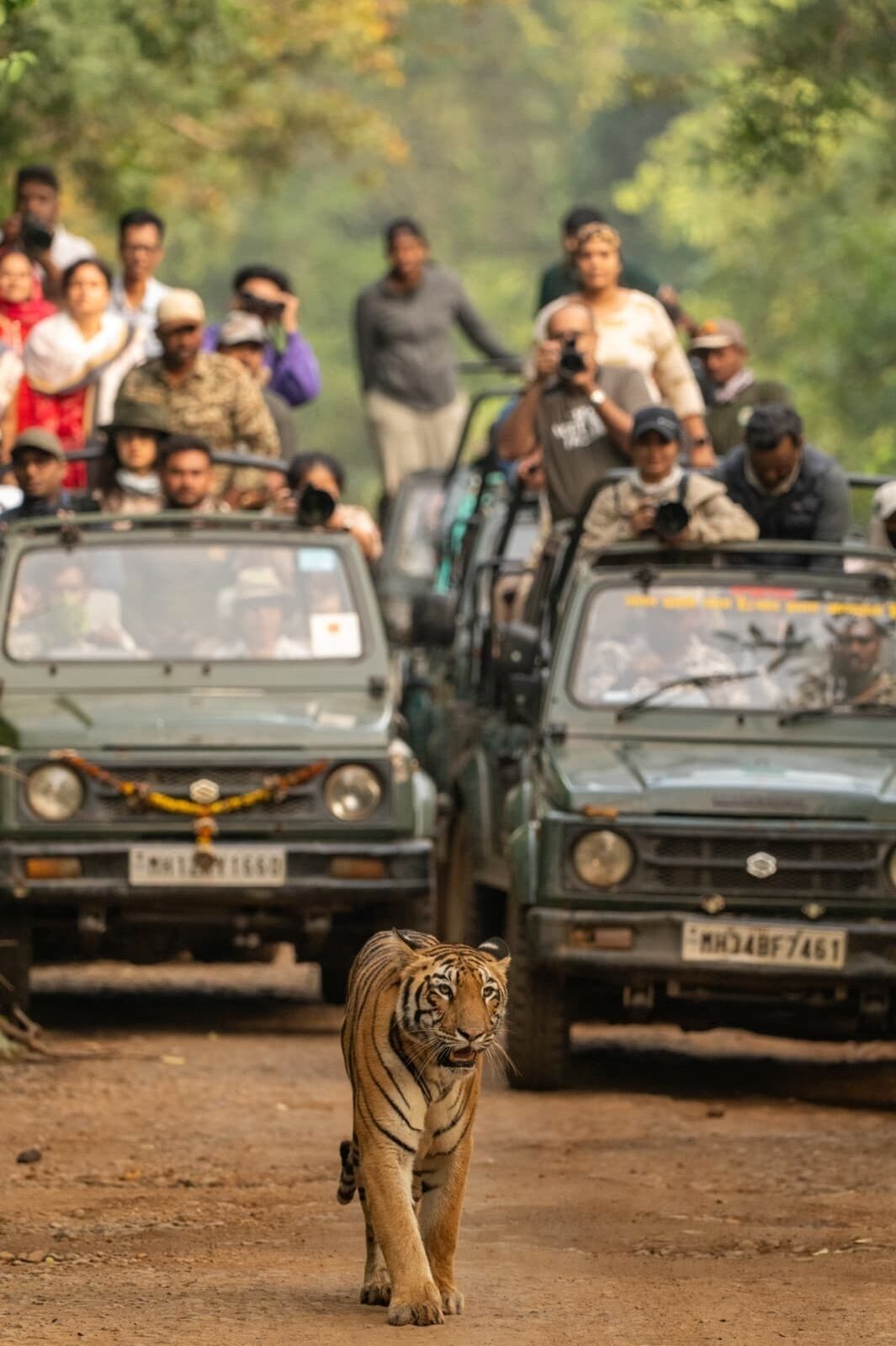

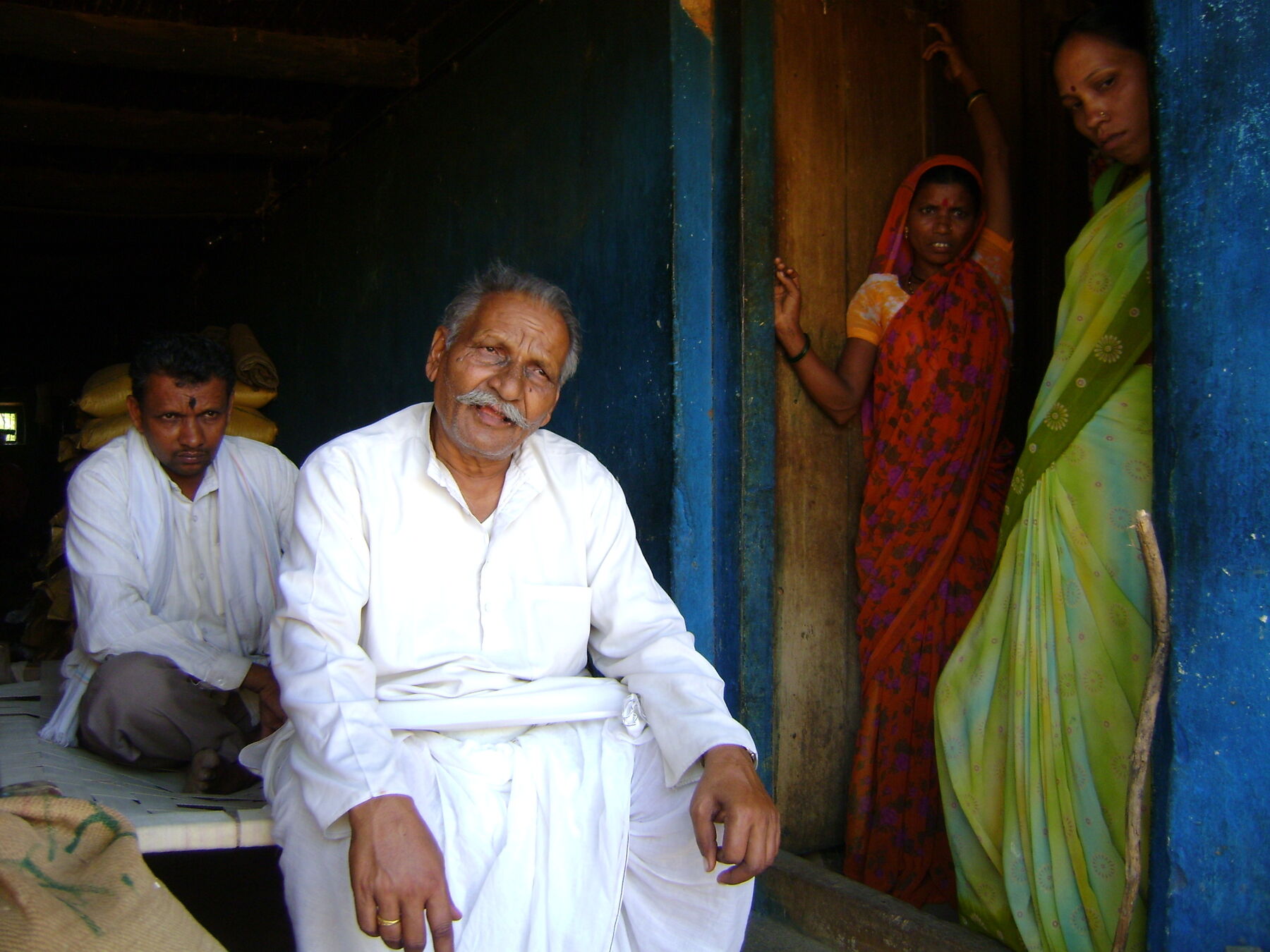
20 years of footage
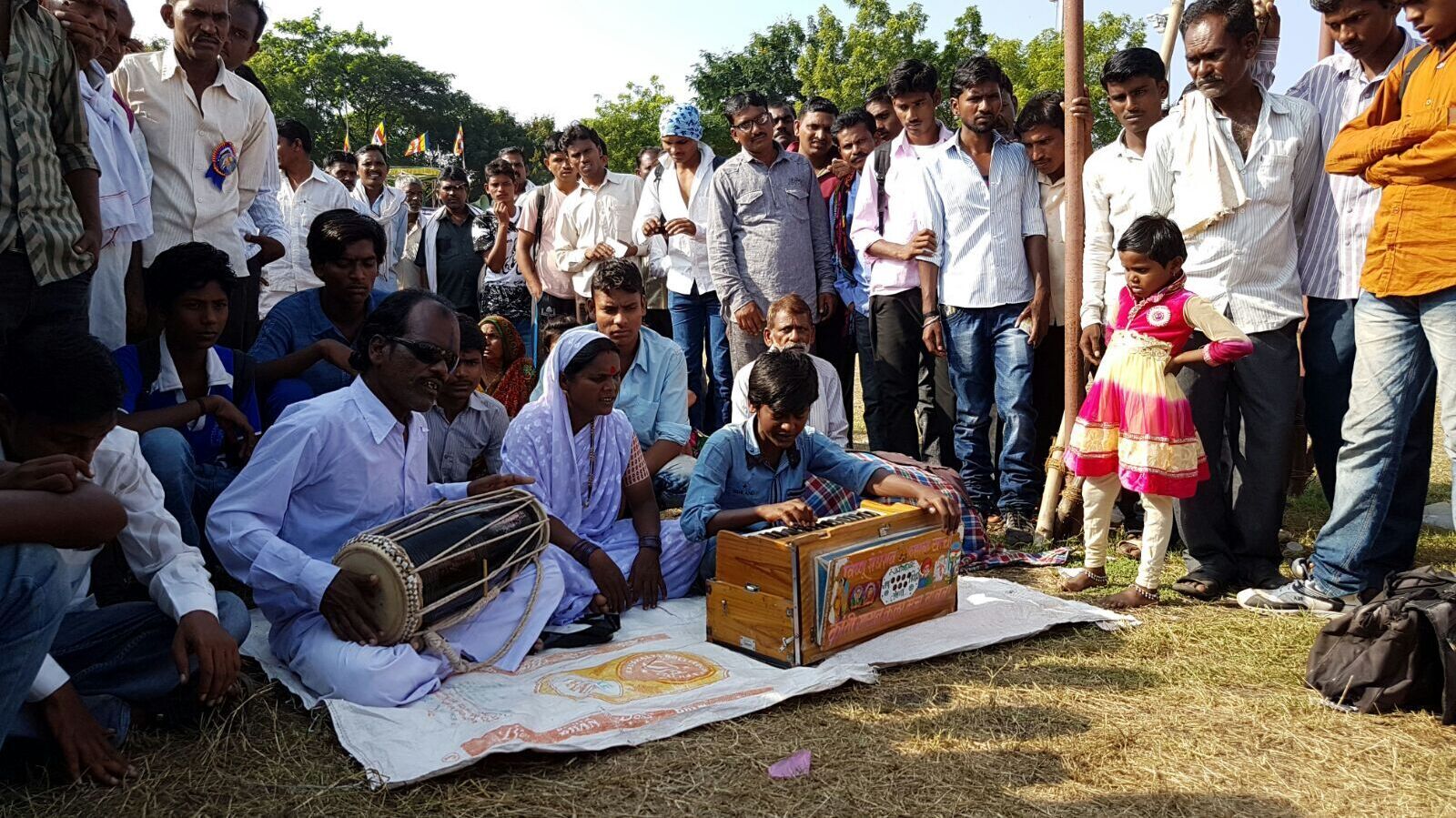
Interviews, songs and archival material gathered across the making of India Bhimraya
The first film is underway
The series begins with caste as a lived structure: in names, schools, temples, water sources, humiliation, songs, and memories.
Jāt
CASTEWe hear Dr Ambedkar
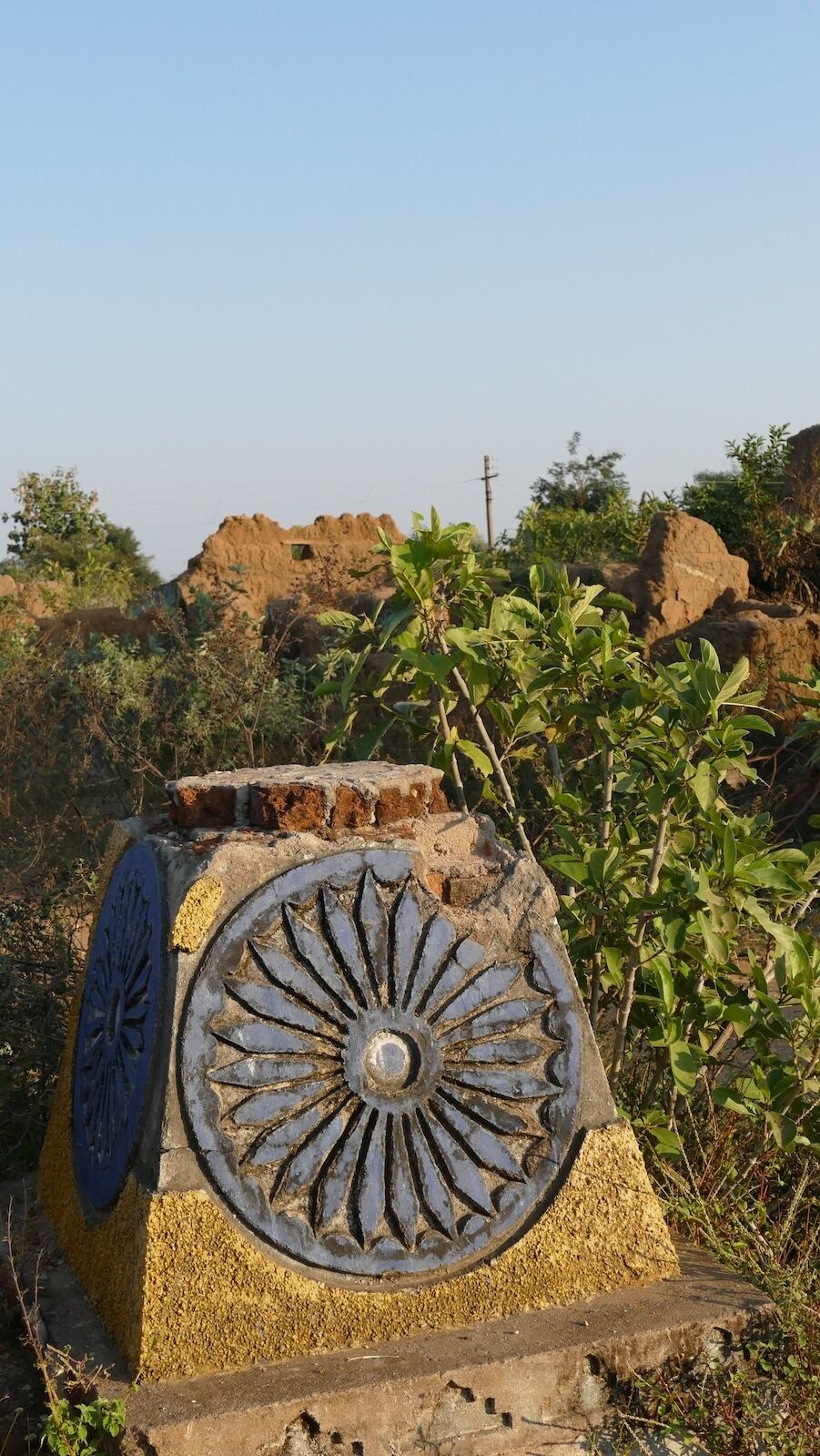
Jurist, political thinker and leader of Dalit and other oppressed groups, Ambedkar chaired the committee that drafted India’s Constitution. His conversion to Buddhism in 1956 marked a historic rupture with the caste order. His archival BBC voice opens the series.
We meet Uttam Kamble
Dalit writer, thinker, narrative engine of the series. His sharp social analysis, humor, and clarity connect biography to history.
We confront humiliation
Caste is lived through bodies and ordinary things — through ritual, water, food, schooling, names and thresholds. Humiliation is not an isolated act, but part of the texture of everyday life.
India Bhimraya, why?
In August 2026, friends and families gathered in Delhi as Uttam Kamble reflected at India Gate on the meaning of India Bhimraya: reclaiming Ambedkar not as minority memory, but as part of India’s shared political language—an idea long carried through the Bhim Geet heard across the series.
we need your support
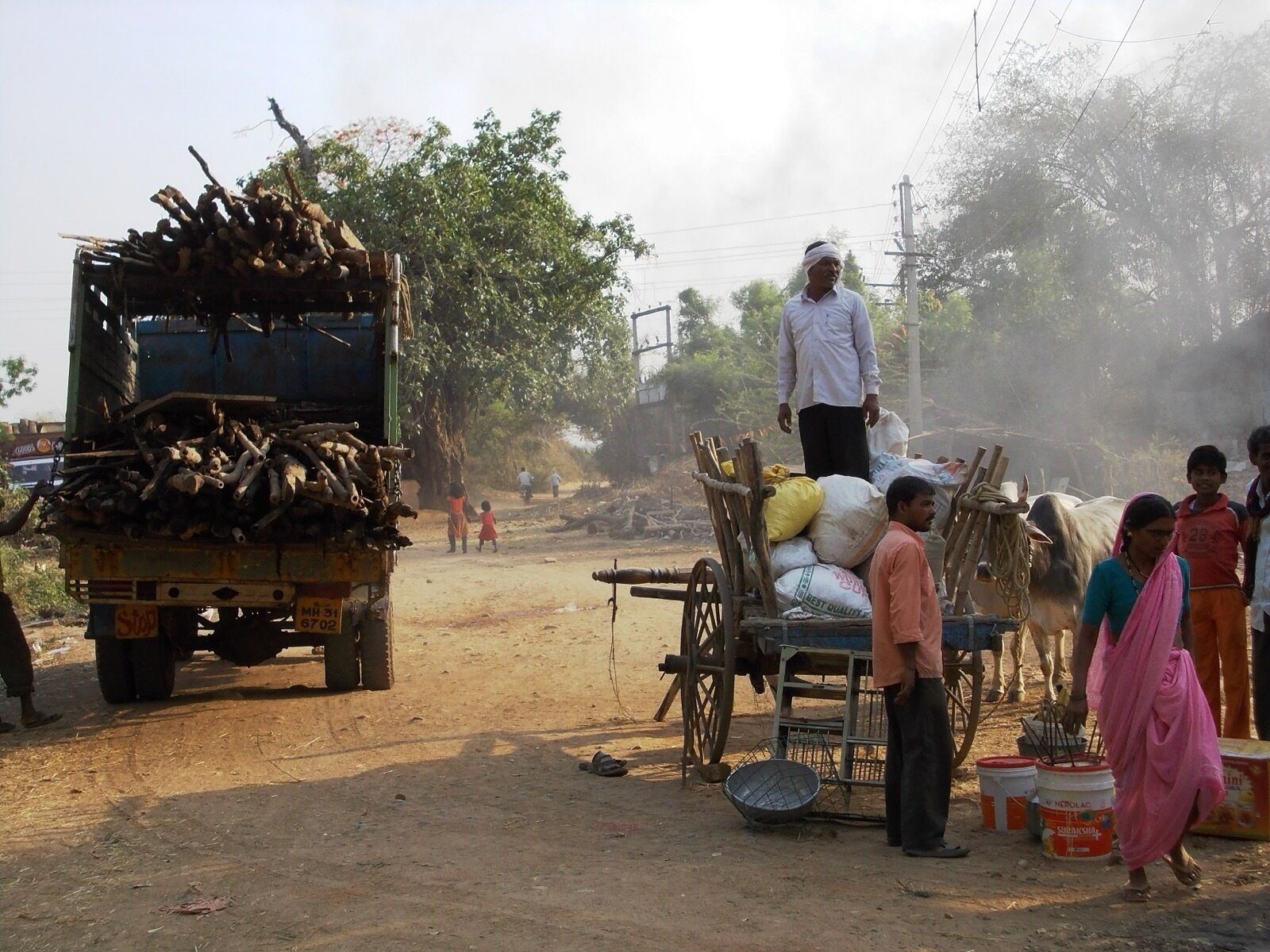
Hundreds of hours of footage, interviews, songs and archival material have already been gathered. The challenge is no longer to begin the project, but to transform this exceptional archive into six completed films.
About the project
The filmmaker
Joël Cabalion is a sociologist at the University of Tours and director of India Bhimraya. His work draws on more than twenty years of field research in Vidarbha, Maharashtra. From 2009 to 2013 as well as 2022 to 2026, he was based at the Centre de Sciences Humaines (CSH) in New Delhi.
The association
India Bhimraya is a project carried by the Association L’Atelier Bhimraya, registered in Tours, France.