
Synopsis
“I used to drink water from above.”
With this deceptively simple memory, writer and journalist Uttam Kamble opens a world in which caste is not an abstract system but something learned through the body: in water one may not touch, work one is expected to perform, food received only after others have eaten, a name inherited at birth, a schoolroom, a marriage, a religious gesture.
The first film of the India Bhimraya series begins at Dikshabhumi in Nagpur, where B. R. Ambedkar embraced Buddhism in 1956 in one of the great collective acts of refusal in modern Indian history. From this public rupture, CASTE travels into the intimacy of ordinary lives. Uttam’s extraordinary account of childhood moves between humour and violence, tenderness and revolt: a mother giving birth while working in the fields; a dangerous pilgrimage undertaken to save a sick child; the labour assigned to a Mahar family; a boy beaten at school for touching a water vessel, then relied upon for the very intelligence the social order refuses to recognise.
The film continually returns to Ambhora, a village in eastern Maharashtra where caste can be read in the arrangement of houses and river ghats, in memories of separate cups, but also in changing friendships, marriages and family choices. Here, change is neither denied nor proclaimed as complete. Old boundaries retreat, survive, shift and sometimes reappear in unexpected forms.
In Nashik, the struggle moves into public and sacred space, through the history of Ambedkar’s Kalaram temple movement. Later, the voice of Lodhi cultivator Maniram Narvare and the electrifying performance of Ambedkarite singer Prakashnath Patankar complicate any simple story of emancipation. Kabir, Buddha, caste hierarchy, possession, village gods and Ambedkar himself inhabit the same unsettled landscape. Conversion may transform institutions and identities; changing an inner world is slower.
Songs run through the film as another archive of thought and resistance. They carry hunger, education, dignity, anger and hope from one generation to another.
Neither a lesson about caste nor a catalogue of suffering, CASTE is an encounter with the ways hierarchy becomes ordinary—and with the equally ordinary acts through which people question it, refuse it, laugh at it, sing against it and begin to live otherwise.
A film about caste, certainly. But more profoundly, a film about dignity, inheritance and the difficult work of becoming free.
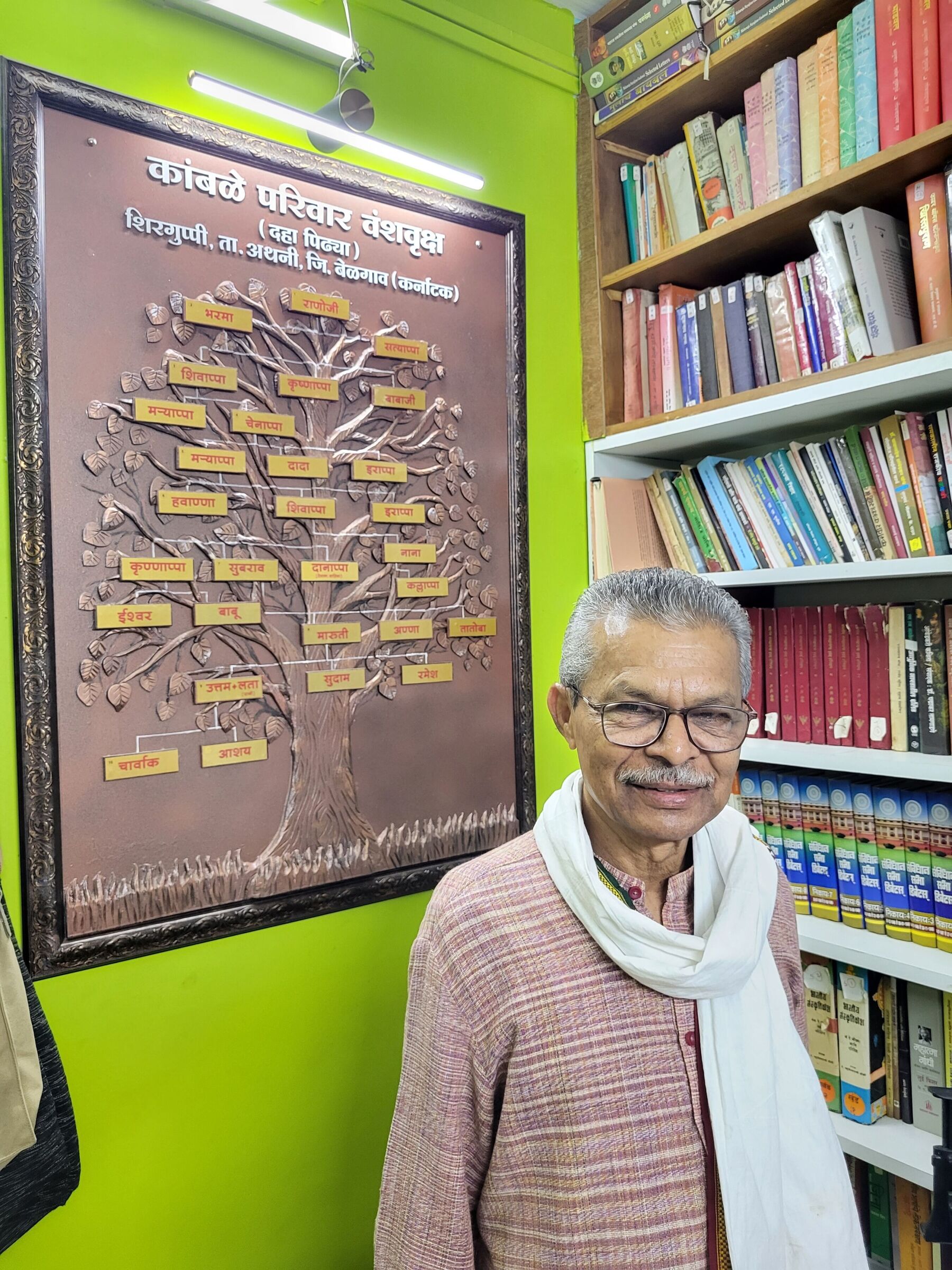
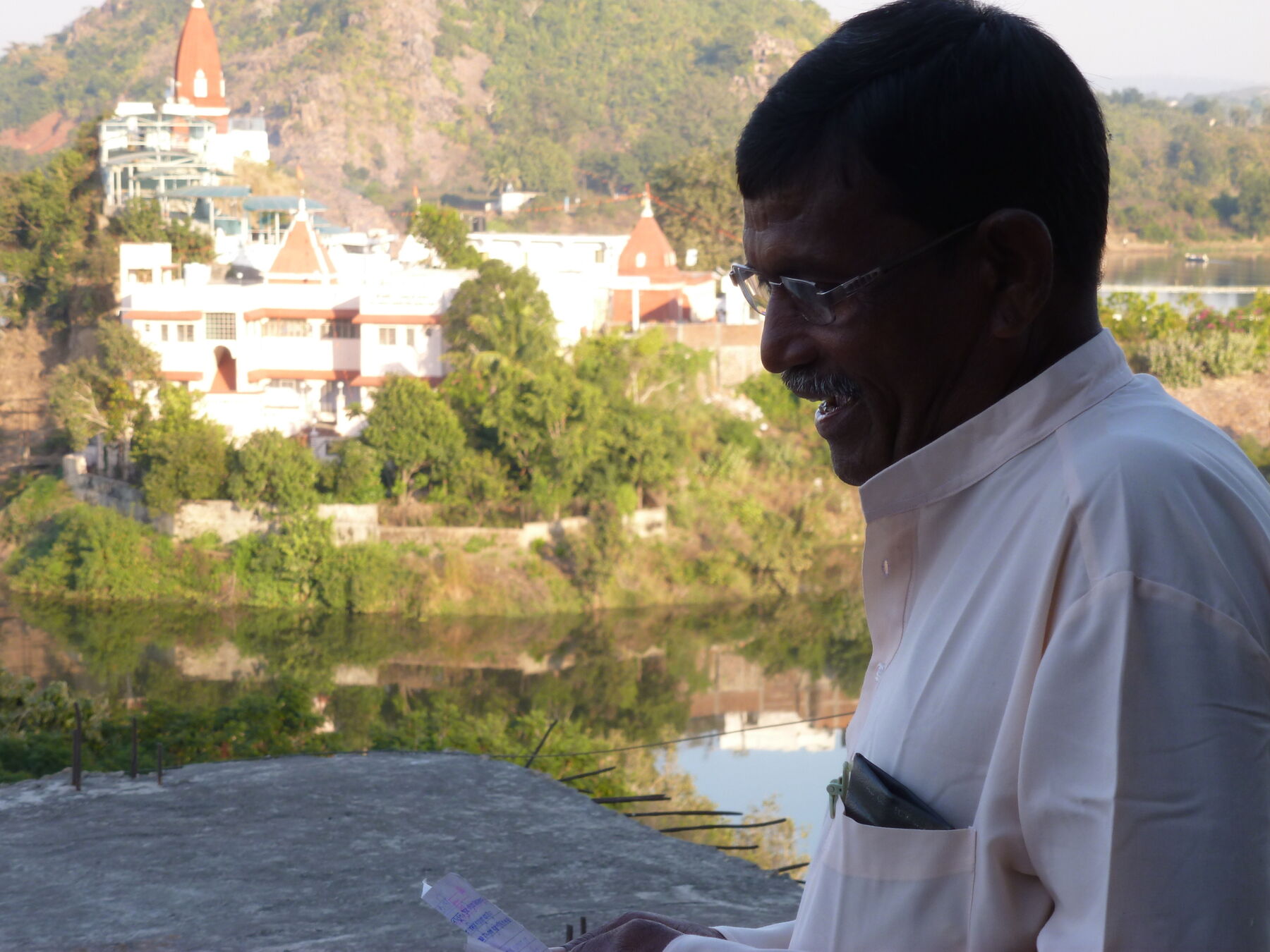
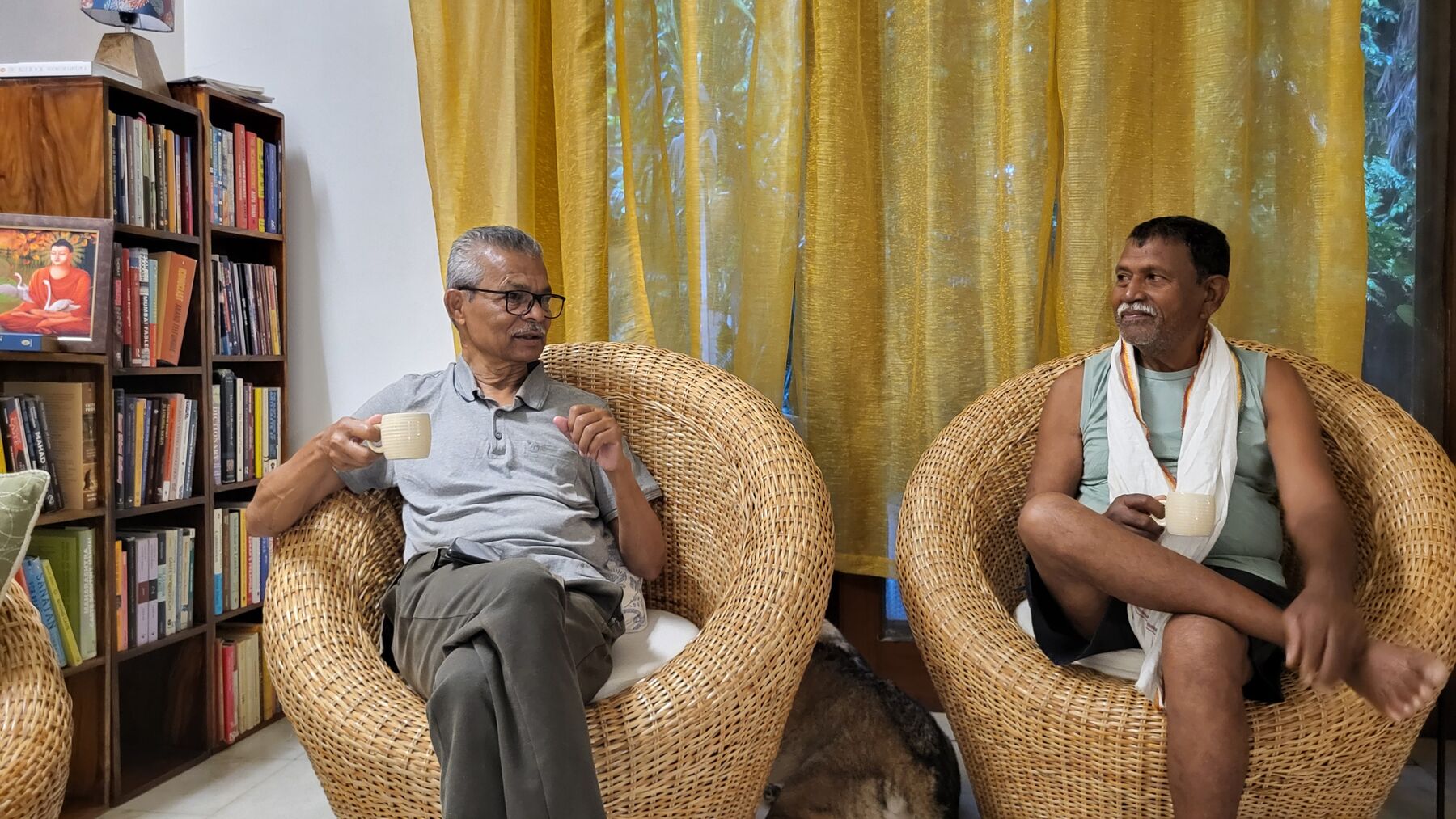
From Ambedkar’s unfinished democratic revolution to Uttam Kamble’s memories of hunger, humiliation and revolt, JAAT enters the everyday architecture of caste—and the voices, songs and acts of refusal that continue to break it open.
- In post-production
- Thélème Cultural Hall, University of Tours, 7 p.m
- 150mn
- Marathi, Hindi, with some English
- English, French
- Joël Cabalion and Mrina Reebye
- Nagpur, Nashik, and Ambhora, Vidarbha
- Diptych 1, with Visthāpan / Displacement
Story
The series begins with caste because so much begins there: who may enter, who must wait, who drinks where, whose name exposes them, whose body is made to remember its place. Jāt does not approach caste as an abstract “social issue.” It follows it into ordinary life—in a name, a school meal, a water source, a temple gate, a village lane, a song.
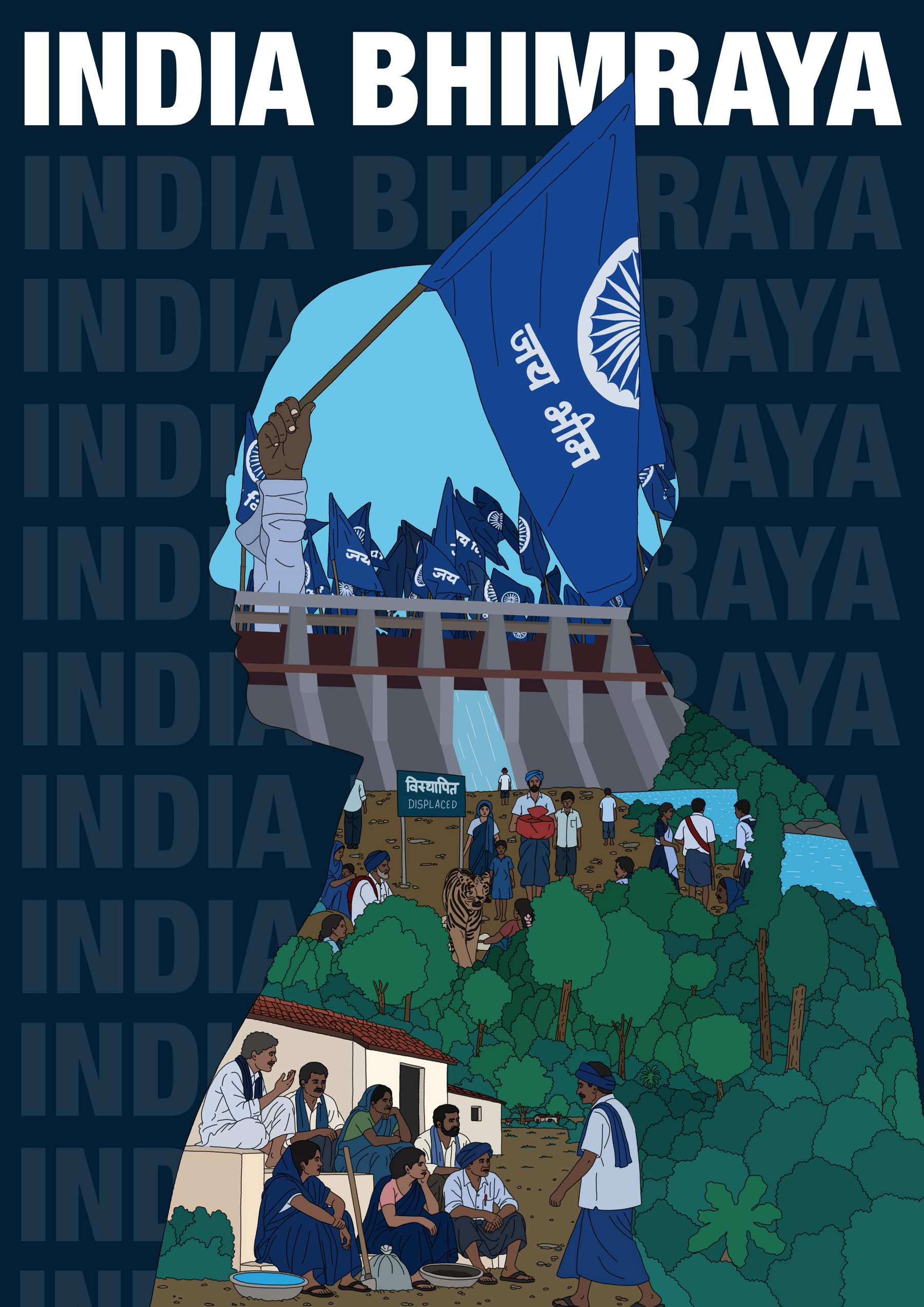
Dikshabhumi, Nagpur. In October 1956, B. R. Ambedkar led hundreds of thousands out of Hinduism and into Buddhism, turning conversion into a collective act of refusal. Every year the crowds return. Flags rise, songs fill the grounds, and history opens again—not as commemoration alone, but as an unfinished demand for equality.
Ambedkar’s warning. In his 1953 BBC interview, Ambedkar argued that political democracy could not endure where social life remained organised by profound inequality. Jāt takes that warning into the present. What does democracy mean when humiliation can still be learned in childhood, enforced through ritual, and absorbed into the most ordinary gestures of daily life?
Uttam Kamble. Through the writer’s memories, caste becomes painfully tangible. A name can disclose and wound. A ritual can threaten to seize a child’s future. A classroom can promise escape and administer humiliation at the same time. In one terrible childhood memory, even food becomes inseparable from violence. Uttam tells these stories without self-pity—with irony, anger, intelligence and the precision of someone who has spent a lifetime refusing the place assigned to him.
Nashik and Ambhora. Walking through Nashik, sacred space reveals its material machinery: gates, timings, routes, prohibitions, purity, and rights of access. The history of Ambedkar’s struggle at the Kalaram temple returns not as heritage, but as a question still alive—who is allowed to cross the threshold? Back in Ambhora, caste becomes less spectacular but no less present. Markets, neighbourhoods, processions, collective cooking, water, land and everyday exchanges reveal the dense social order through which belonging and inequality are made ordinary.
And throughout the film, songs remember what official histories forget. Bhim geet, bhajans and voices carried across crowds and villages are not illustration or folklore: they are archives of injury, dignity and revolt.
Names, water, schools, temples, rituals, land and songs gradually assemble the same unsettling picture. Caste is not simply inherited identity. It is a way of organising access, dignity, aspiration and the right to belong. But Jāt is equally a film about refusal: about the people who name that order, remember its violence, sing against it, and continue the unfinished work of breaking it open.
Voices in the film
The film is carried not by a unique narrator but by voices separated by generation, caste position and experience, yet joined by the same question: how does an unequal social order enter ordinary life—and how do people learn to refuse it?
-
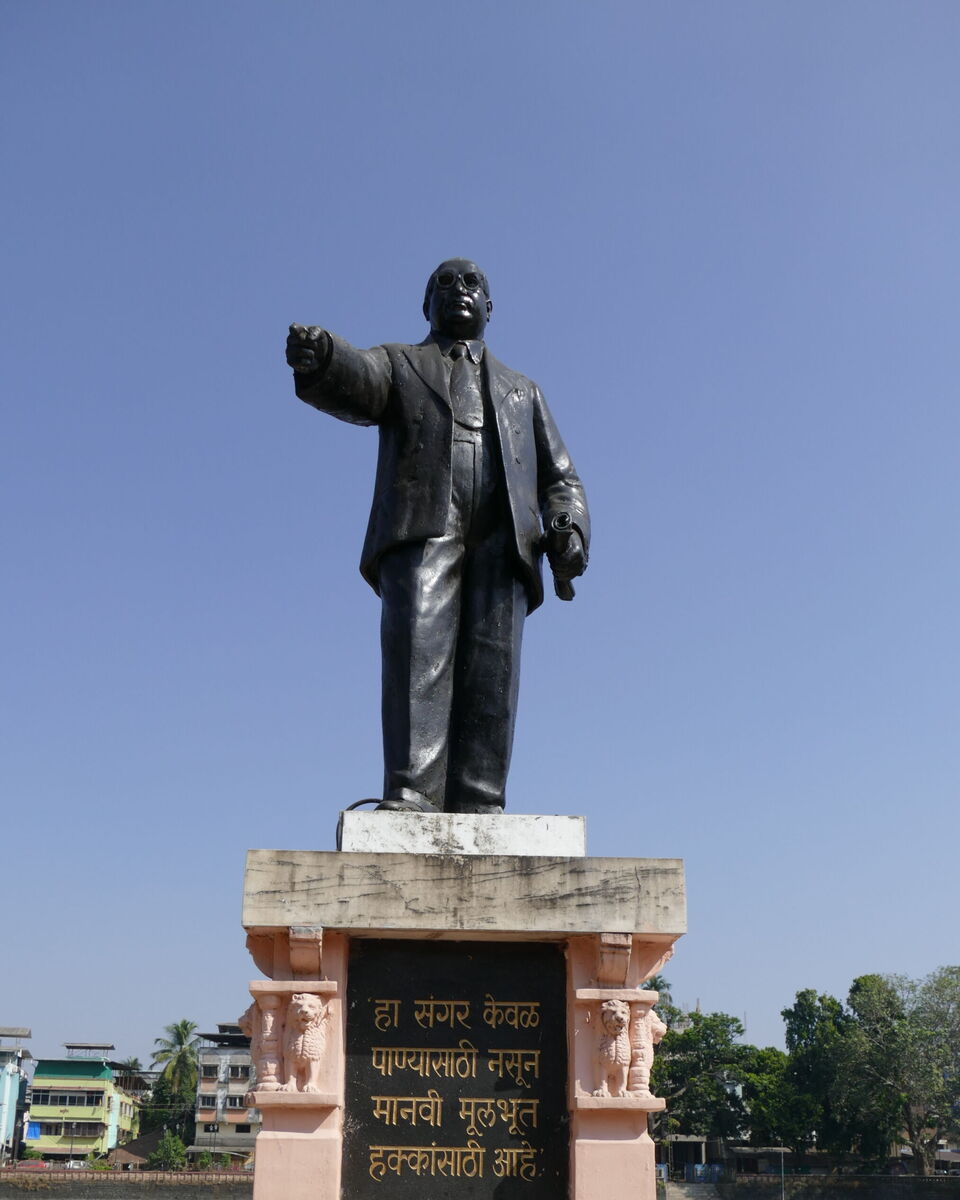

Jurist · Economist · Anti caste thinker · Political leader
Ambedkar is the deepest political horizon of India Bhimraya. His archival voice opens the series; his struggle against caste, his conception of democracy and his demand for social equality return across all six films as unfinished questions.
-
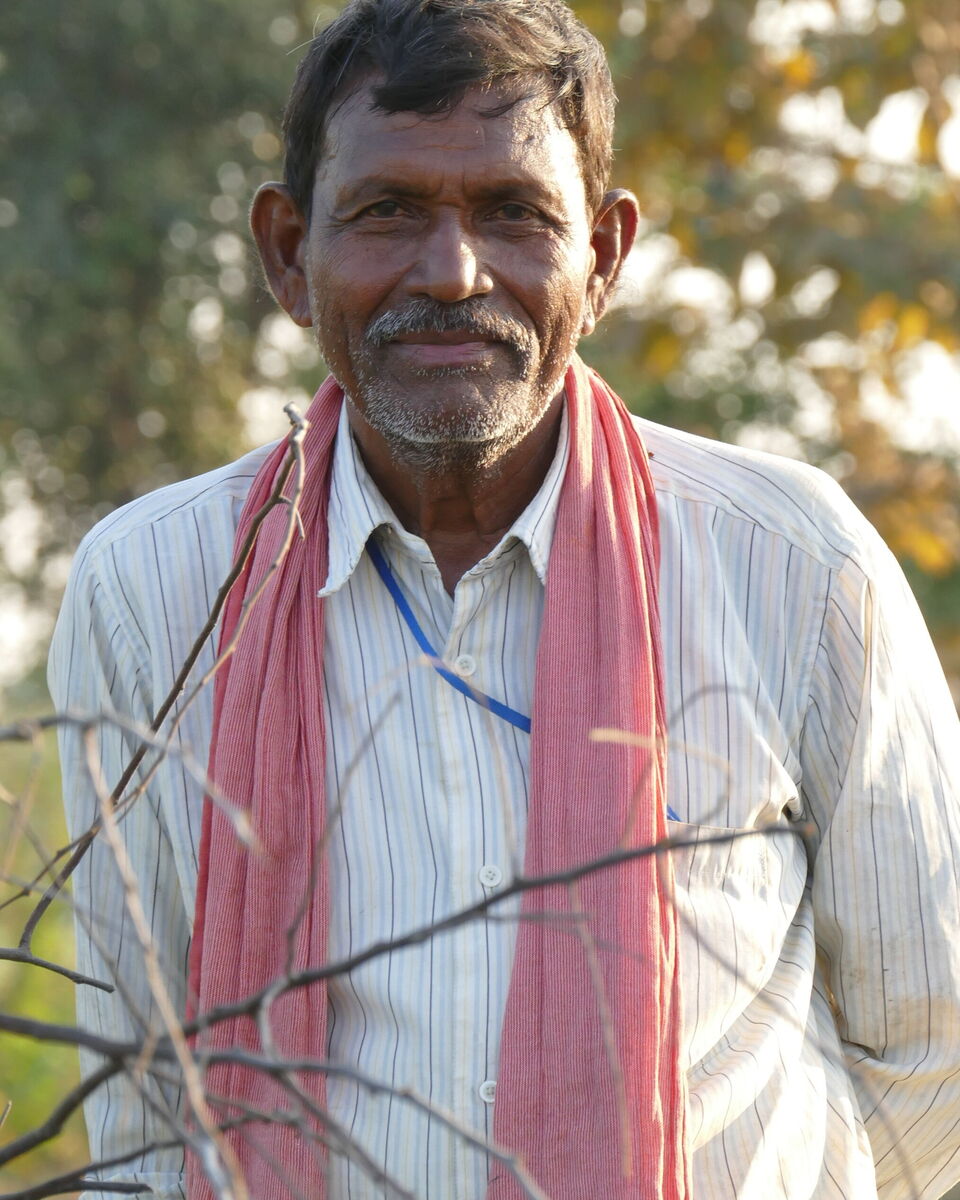
Farmer · Displaced resident of Ambhora · Bhim Geet singer
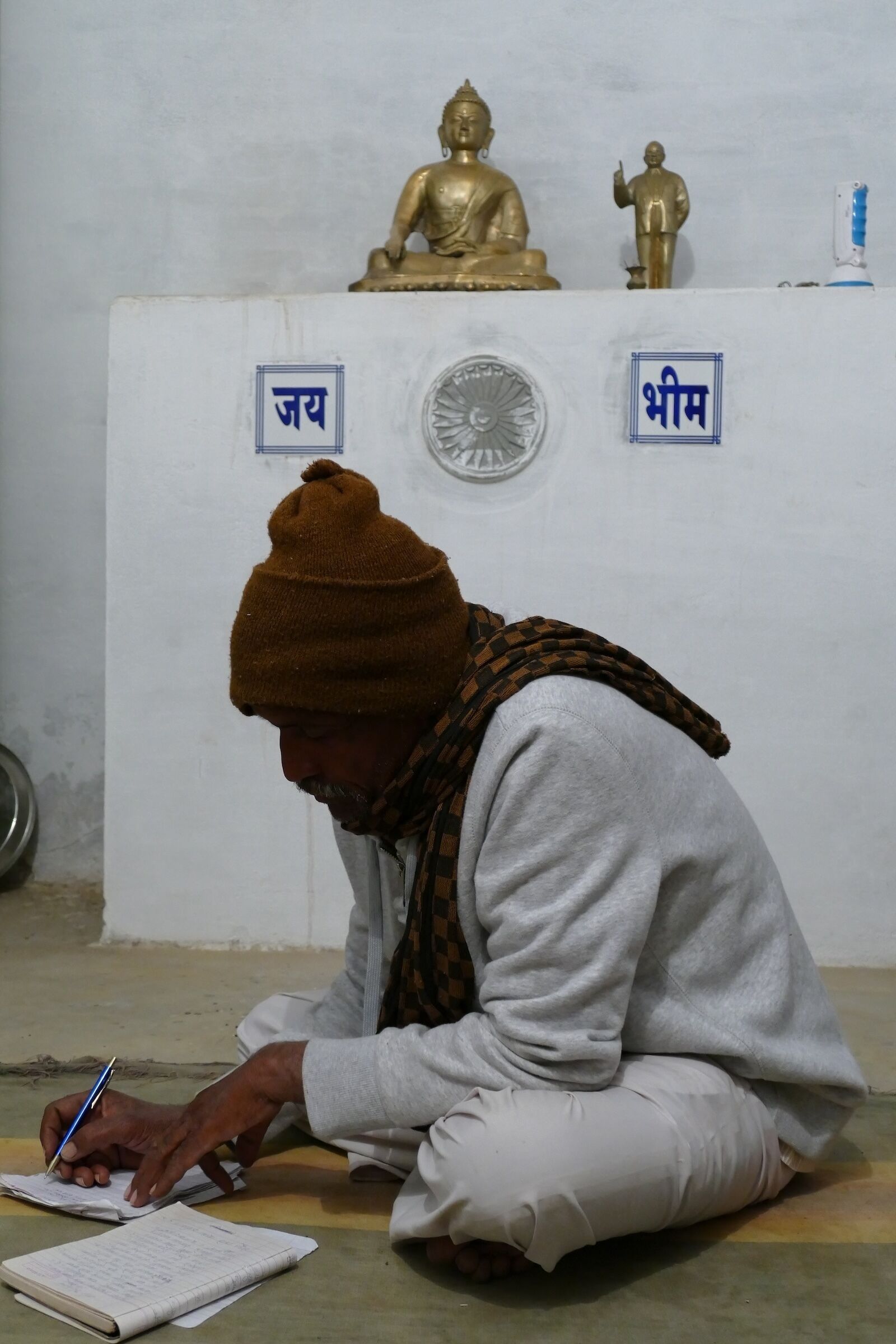
One of the human anchors of India Bhimraya, Parmeshwar has been filmed across the years not as a “character” encountered once, but as someone whose life has grown with the project. The camera finds him in the field, at home, in moments of work, fatigue, rebuilding, conversation and song. Through him, caste, land and displacement become inseparable from family history and the stubborn work of carrying on. His Bhim Geet are among the series’ deepest threads: songs through which Ambedkarite memory, dignity and political inheritance pass from one generation to another. Parmeshwar’s presence gives the films something they could not have without him—a lived continuity between the old village, the resettled world and the future his family is still making.
-
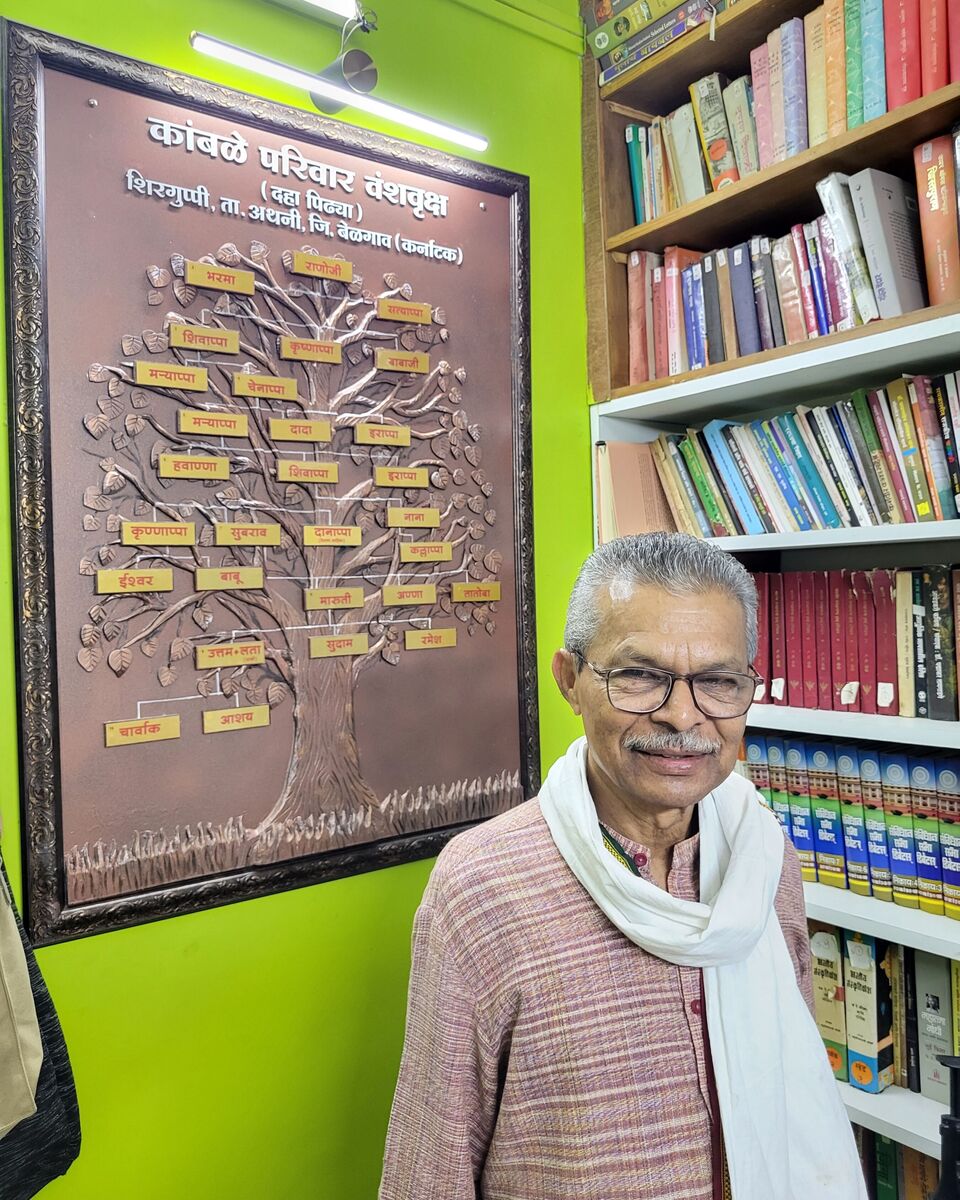
Writer · Editor journalist · Narrator · Public intellectual
One of the defining presences of India Bhimraya, Uttam Kamble became far more than an interviewee: a narrator, travelling companion and intellectual thread running through the series. In Jāt, his life carries the film from a caste-segregated childhood on the Maharashtra–Karnataka border through hunger, school violence, ritual coercion, education, journalism and political awakening. His memories turn caste from an abstraction into an embodied social world, while his journeys through Nashik, Kalaram, Ambedkarite sites and everyday Maharashtra give that history a geography. But his contribution reaches well beyond caste alone: from early work with dam-displaced communities and anti-superstition struggles to reflections on labour, development, Marx, Ambedkar and political movements, Kamble repeatedly connects intimate experience to the larger structures of Indian society. His voice became one of the series’ principal ways of thinking, remembering and moving through that world.
-
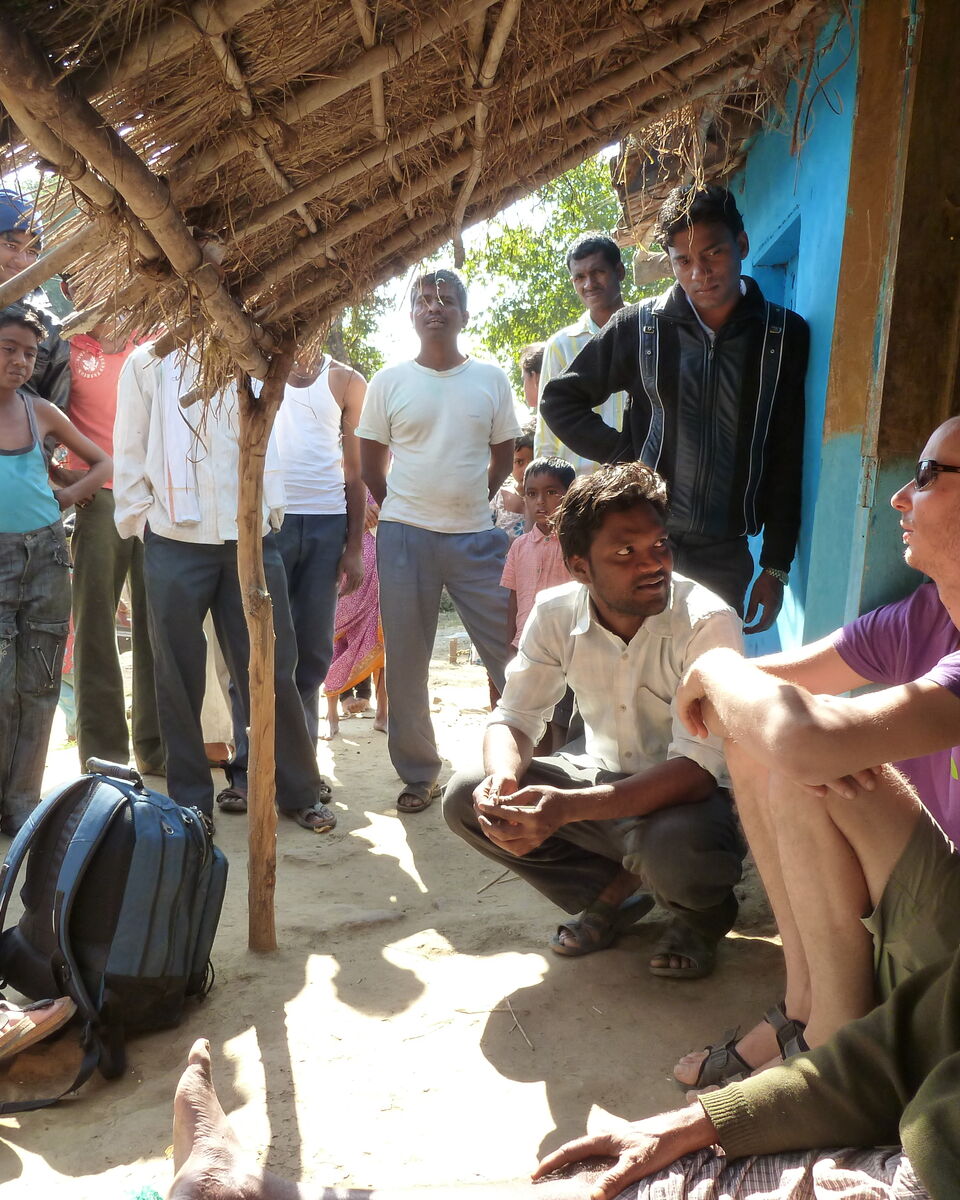
Farmer · Gosikhurd-displaced resident · Hindu religion witness
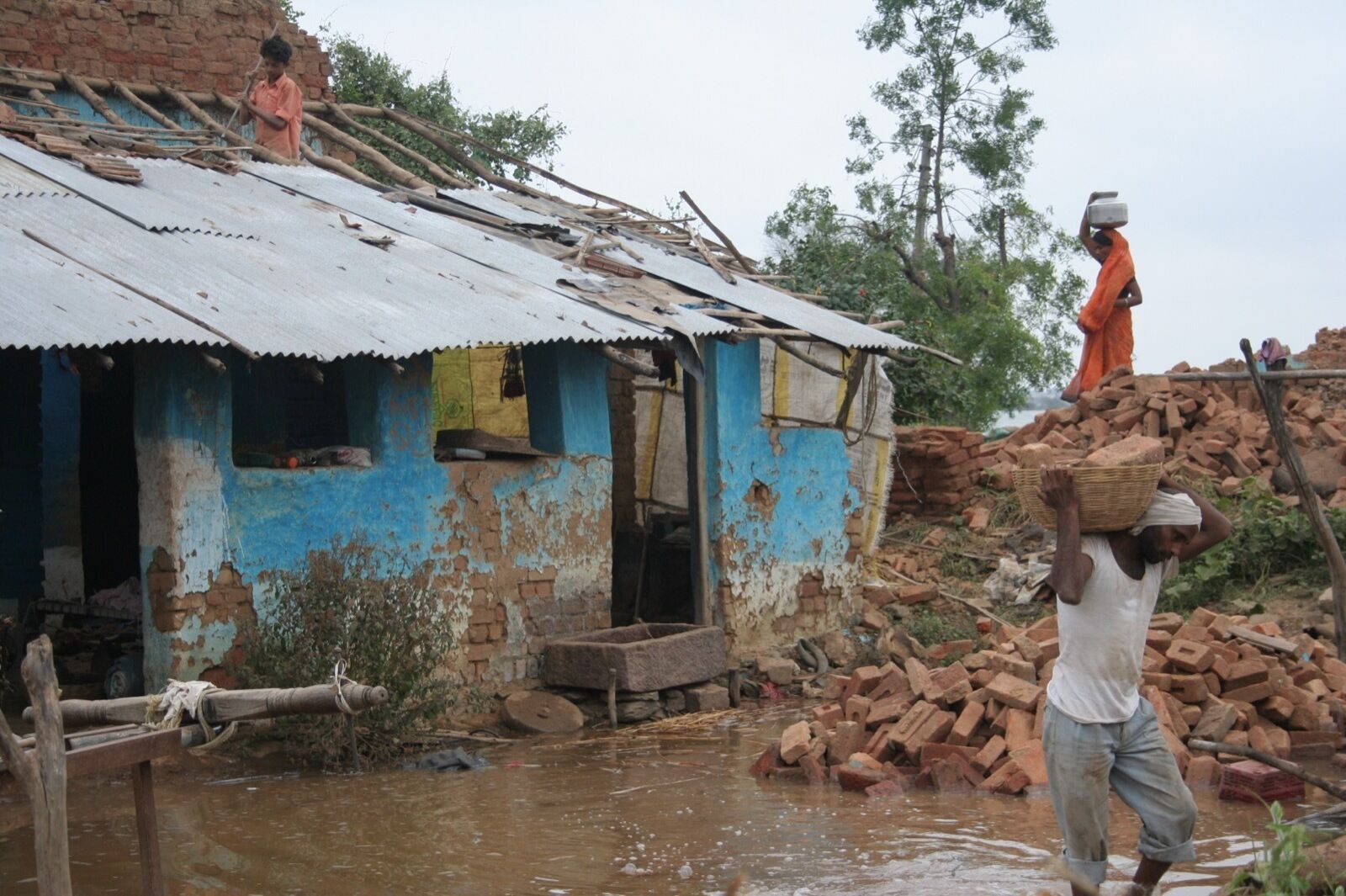
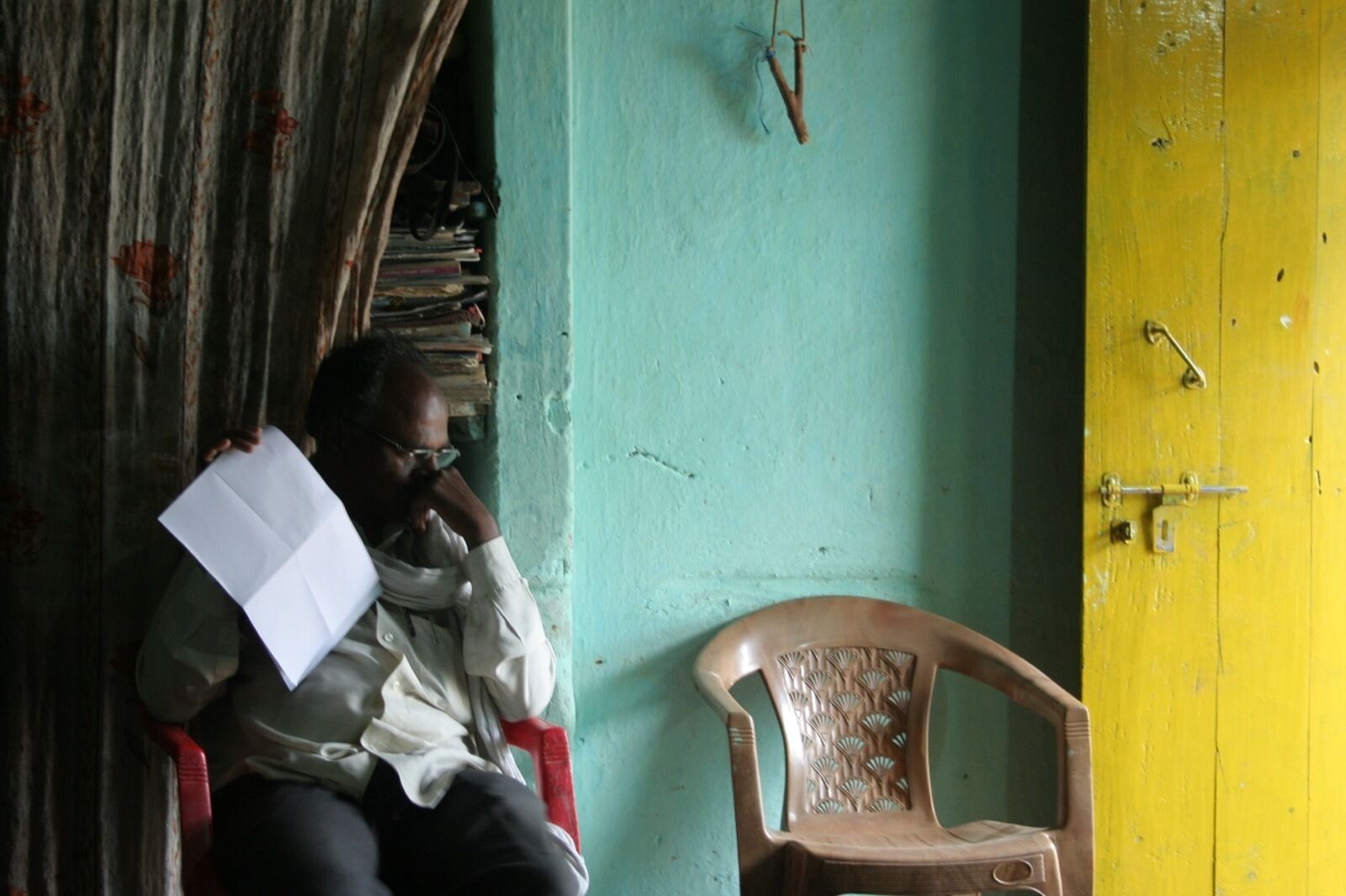
One of the most grounded and enduring voices of India Bhimraya, Maniram appears in both Jāt and Visthāpan, carrying the series from the social world of caste into the lived aftermath of displacement. A farmer first, he measures change through what can still be cultivated, inherited, shared, offered in marriage, or passed on to children. His testimony moves between caste relations, religious change, land loss, compensation, failed irrigation works, election promises and the everyday arithmetic of survival. Often with dry humour, he exposes the distance between rehabilitation on paper and a viable life. Through Maniram, land appears not simply as property, but as livelihood, status, memory and dignity—and displacement as a condition that continues long after acquisition itself is over.
Credits
Direction
Joël Cabalion
Mrina Reebye
Editing
Philippe Pereira
Image
Joël Cabalion
Philippe Pereira
Nitin Singh Chauhan
Sound
Julien Jugand
Research and languages
Vinod Chahande
Mayur Kudupale
Vidya Dharap
Cartography and animation
Nawaj Sharif
Philippe Pereira
Visual artwork
Siddhesh Gautam alias Bakery Prasad
Nitin Chauhan
Miranj
Scientific committee
Simon Borja
Odile Henry
Asmita Kabra
Thierry Ramadier
The story is already there
Years of filming have given Jāt its people, places, memories, songs and images. What remains is the painstaking work that turns this extraordinary archive into a finished film—editing, sound, colour grading, subtitling and rights clearance—and your support goes directly to it.